


 EN
 ไทย


Customers Also Purchased
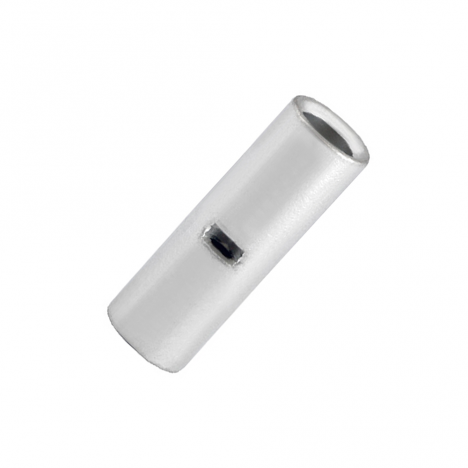
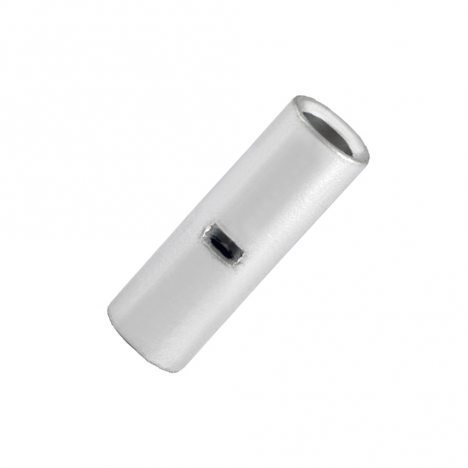
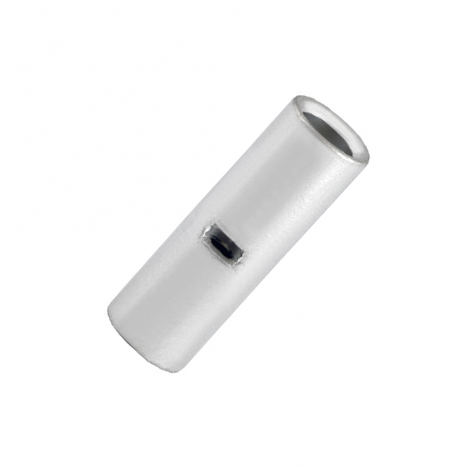
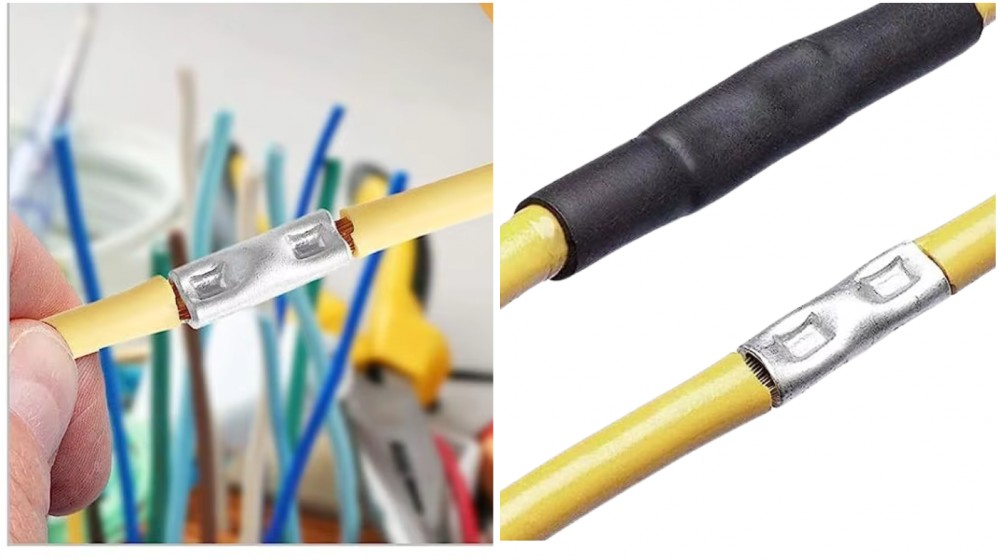
If you have ever encountered wires constantly coming loose, no power after splicing, or connection points getting so hot you worry about a fire hazard… you might be overlooking a small device called "Wire Splice Sleeve" without even realizing it
Although they may seem like tiny electrical components, wire connectors actually play a crucial role in securing wire connections firmly, safely, and capable of handling electrical currents over the long term. Choosing the wrong type or improper installation could lead to unexpected major damage! This article will introduce you in detail to the different types of wire connectors, along with professional selection advice. After reading, you'll surely know how to choose and use them correctly, saving you from repeatedly repairing the same spots.
What Is a Wire Connector?
A wire connector (Wire Connector / Wire Sleeve / Terminal Sleeve) is a device used to join two or more wires firmly and safely into a single connection point. Its primary purposes are:
- Connect wires securely without loosening easily
- Prevent electrical leakage, electric shock, or short circuits
- Withstand voltage and electrical current according to standards
- Improve neatness in installation work and long-term safety
Why Is Choosing the Right Wire Connector Important?
Many people might think that just "getting the wires connected" is enough, but in reality, Choosing a wire connector that matches the wire type, size, and application significantly affects service life, safety, and the overall stability of the electrical system.
Making the wrong choice—such as using an oversized connector on a small wire or using a bare sleeve outdoors—can lead to the following problems:
- Overheating at the connection point, causing fires
- Voltage drops or power failure to devices
- Frequent wire disconnection requiring repeated repairs
Types of Wire Connectors You Should Know
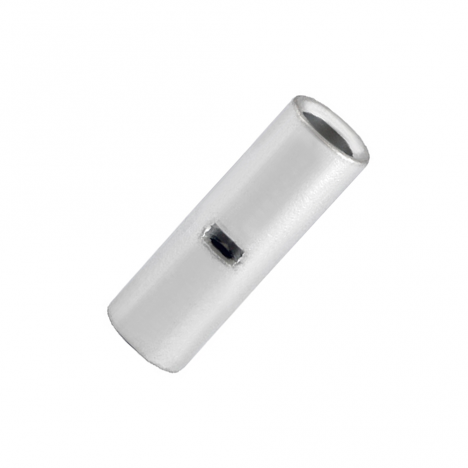
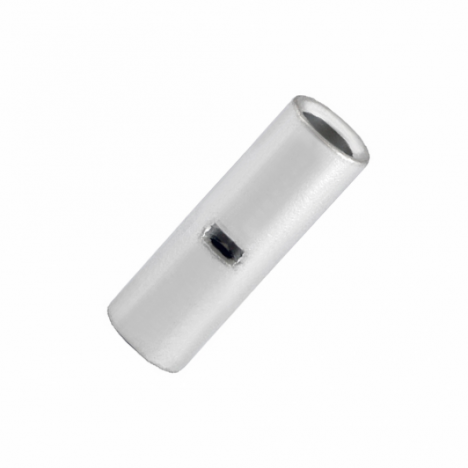
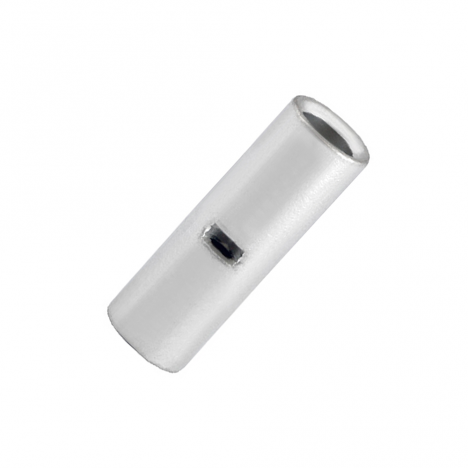
1. Bare Crimp Sleeve
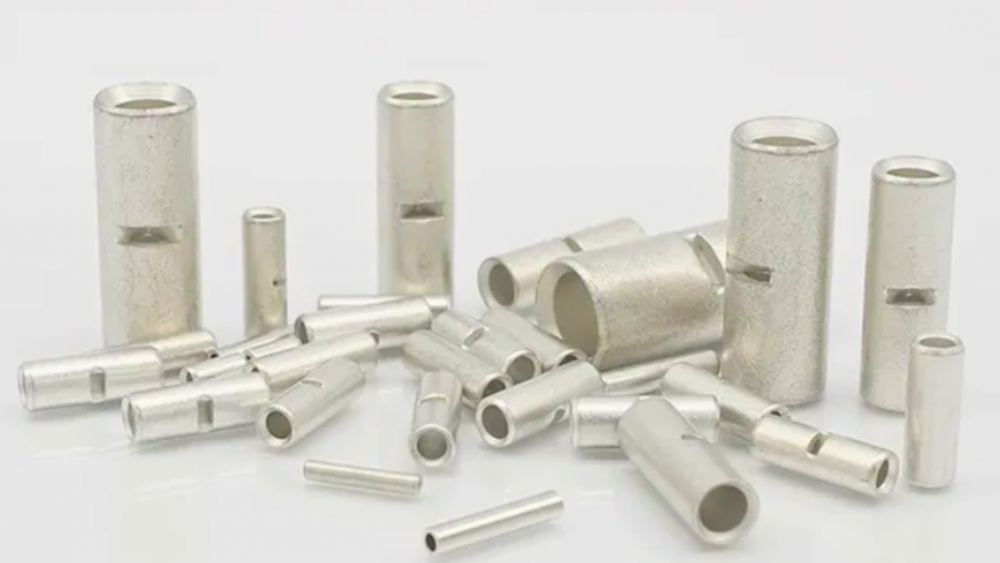
If you need a connector focusing on strength, durability, and cost-effectiveness in high-current applications, the "Bare Crimp Sleeve" is the choice professionals make. The material used is usually all-metal, such as copper or aluminum, without insulation, providing excellent heat dissipation. It is suitable for industrial electrical work, main power line wiring, or connecting large wires that require permanent stability.
Installation requires a dedicated crimping tool to ensure a tight and secure joint. After crimping, it should be wrapped with flame-retardant electrical tape to prevent direct contact and reduce the risk of electrical leakage or shock. This is why bare sleeves are best suited for skilled electrical technicians or professionals.
- Advantages: Very strong, handles high electrical current, cost-effective, and suitable for heavy-duty tasks or connections that do not need frequent replacement.
- Caution: Has no built-in insulation, requires extra taping, and should be installed with professional expertise for safety.
2. PVC Insulated Crimp Sleeve
If you are looking for a crimp sleeve that emphasizes safety, is easy to use, and is suitable for general applications, "insulated sleeves" are a popular choice—especially for household electrical work or installations inside control panels. The highlight is the PVC or nylon insulation wrapping the sleeve, allowing you to handle and connect with confidence without worrying about electrical leakage.
These sleeves are often color-coded by size—such as red for small wires and yellow for large wires—making them convenient to select. They can be installed using standard crimping pliers without needing special tools or extra electrical tape. They are ideal for general technicians or homeowners seeking neatness and safety.
- Advantages: Features built-in insulation, high safety, easy installation, and requires no extra tape, keeping the work neat and organized.
- Caution: Must be selected to match the actual wire size properly; if the size does not match, it may not crimp tightly, risking heat accumulation or loose connections.
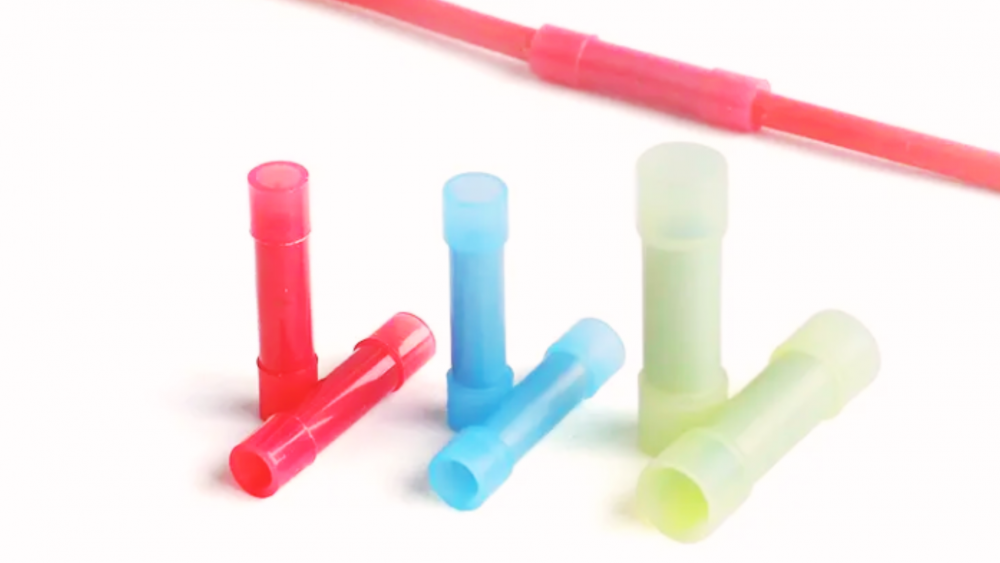
Which crimp sleeve is suitable for each wire size?
Choosing the right crimp sleeve for your wire size is the starting point for electrical system safety and efficiency. If you choose an incorrect size, it will not only result in an insecure connection, but also risk creating a "hot spot," which can unknowingly trigger short circuits and fire hazards.
Common wire sizes in Thailand are measured in square millimeters (mm²). Crimp sleeve manufacturers usually clearly indicate the supported sizes on the packaging, such as by insulation color or model codes, providing an easy and accurate guide for selection.
Examples of popular wire sizes and suitable crimp sleeve types
- 0.5 – 1.5 mm² : Suitable for general electrical work such as light switches and lamps. Use a red insulated crimp sleeve, which is easy to crimp, safe, and economical.
- 2.5 mm² : Used for wall sockets or medium-power appliances like rice cookers and electric fans. Use a blue insulated crimp sleeve.
- 4 – 6 mm² : Used for high-power appliances like air conditioners or water heaters. You can use either a yellow insulated sleeve or a bare sleeve, depending on durability and neatness requirements.
- 10 mm² and above : Suitable for main power cables and incoming wires to large circuit breakers. High-density bare sleeves should be used and crimped with specialized crimping pliers.
Verifying the size and choosing the right sleeve for the job not only makes electrical wiring safer, but also makes future maintenance easier. If you are unsure, consult a professional electrician or purchase from a store that provides comprehensive product information.
How to choose a wire crimp sleeve for practical use
Selecting a wire crimp sleeve is not just about aesthetics or the lowest price; you must consider all aspects to ensure a safe, durable connection suited to your actual application. Key principles to keep in mind include:
- Match the wire size: A sleeve that properly fits the wire ensures a secure, tight connection that won't easily come loose, while reducing heat accumulation. Using an oversized sleeve can result in a loose crimp, detached wires, or poor current conduction.
- Choose to match the type of work: For general home applications, such as connecting electrical outlets or lighting fixtures, insulated types are sufficient. However, for field work, factory work, or high-voltage electrical systems, choose non-insulated or high-specification wire splices that can withstand higher currents.
- Choose to match the environment: For areas exposed to dust, moisture, water, or vibration, such as in factories or outdoors, select wire splices with good insulation or waterproof properties—such as insulated or heat-shrink types—to prevent electrical leakage or joint damage caused by environmental factors.
- Consider your budget: Although non-insulated splices are cheaper, they require additional electrical tape. Meanwhile, insulated types may carry a slightly higher upfront cost but offer convenience, save time, and provide greater long-term safety. For large-scale installations or urgent jobs, select the appropriate option balancing both budget and efficiency.
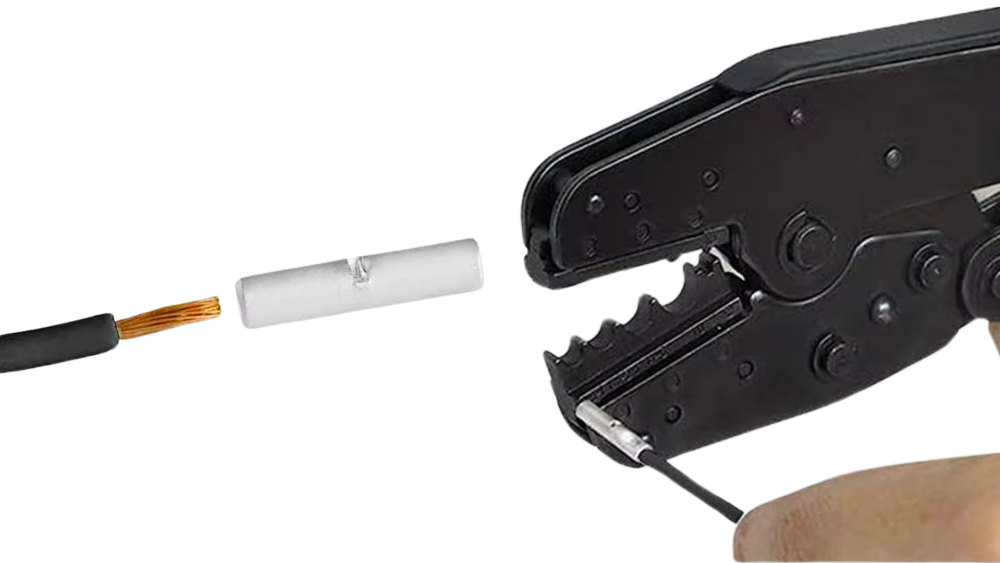
Conclusion
"Wire Splice Sleeve" It may seem like a minor piece of general hardware, but behind its function lies a vital component that ensures electrical systems operate reliably and safely. Choosing the right type and size of wire splice, tailored to the working environment, will help reduce common problems such as electrical leakage, loose connections, detached wires, or even short circuits.
In a sound electrical system, attention to small details like wire splicing can make a tremendous difference. When properly understood and selected, it not only ensures a neatly finished job, but also delivers long-term peace of mind that current flows steadily, without weak points, and without leaving behind latent risks.