


 EN
 ไทย


Customers Also Purchased


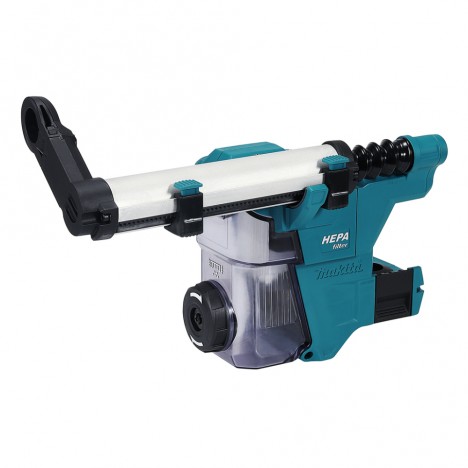
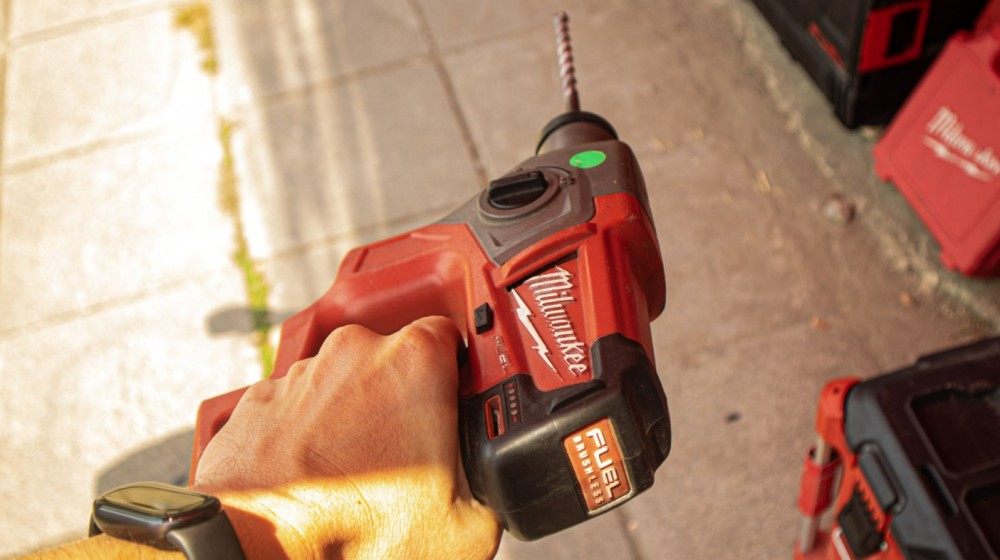
However, using a rotary hammer drill without understanding its principles or lacking proper care can quickly damage the tool, causing internal wear and tear, motor burnout, or premature degradation of the impact mechanism. Furthermore, improper use poses risks of serious accidents for the operator, such as drill bits snapping during operation or kickback injuries. Understanding correct operating procedures is therefore crucial for anyone seeking long-term use from their rotary hammer drill.
In this article, we'll explore 7 essential things you should consider and be cautious of when using a rotary hammer drill, helping you work safely, efficiently, and extend the tool's lifespan.
1. Select the right mode and drill bit for the job
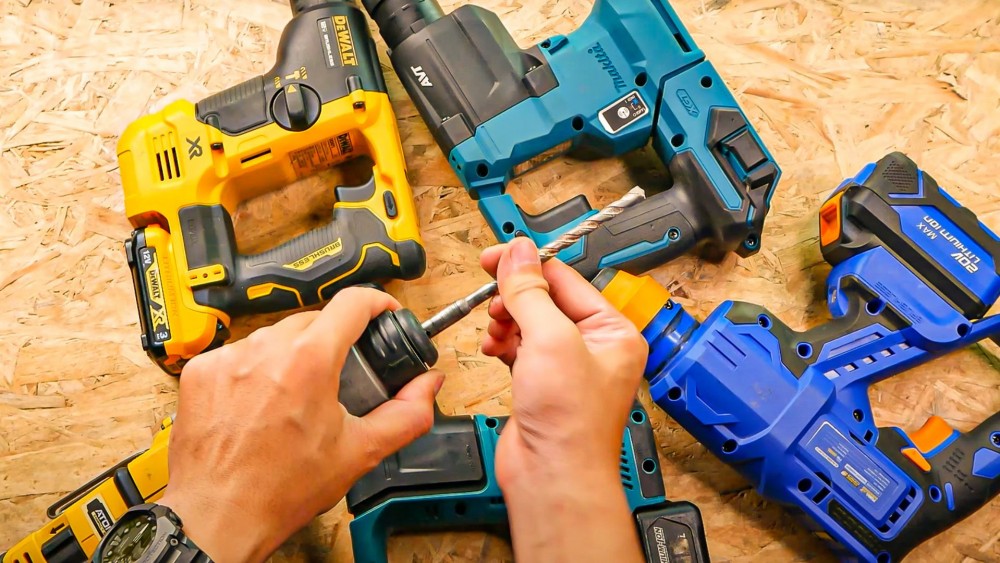
Choosing the appropriate operating mode and drill bit for the task at hand is essential. Rotary hammer drills feature various modes engineered for specific applications—such as rotary hammer mode for concrete, or rotation-only mode for wood and metal. Matching the correct drill bit to the material being drilled ensures the job is completed quickly and safely, while minimizing the risk of premature tool failure.
Why are the mode and drill bit important?
Rotary hammer drills offer multiple modes, such as rotation-only, rotary hammer, and hammer-only. Selecting the wrong mode—such as using rotation-only mode to drill masonry—can overburden the motor, causing severe overheating and breakdown. Likewise, using a standard bit for concrete drilling will cause rapid wear and increase the risk of the bit snapping during operation.
Proper selection
- Masonry or concrete drilling: Use rotary hammer mode with SDS-plus or SDS-max bits specifically designed for concrete.
- Wood or steel drilling: Use rotation-only mode with the appropriate bit for the material.
- Chiseling or demolition: Use hammer-only mode paired with a chisel bit.
Selecting the right mode and drill bit not only extends the rotary hammer drill's lifespan, but also gets the job done faster and more safely.
2. Inspect the rotary hammer drill and bits before every use
Regularly checking the condition of your rotary hammer drill is an essential step that should never be overlooked, both for safety and for maximizing tool life.
Why inspect?
Before every use, taking just a few minutes to check the condition of the tool—including the power cord or battery, drill bit, bit locking mechanism, and mode selector—helps prevent issues during operation. Minor defects like a chipped bit or a cracked power cord can lead to severe hazards and costly tool damage.
Points to check
- The power cord must be free from cracks or tears.
- The drill bit must be in good condition, without chips or cracks.
- The bit chuck/locking mechanism must be secure, without excessive play.
- The mode selector must function properly
Taking just a few minutes to inspect can prevent major issues and ensure your safety during operation.
3. Avoid applying excessive force while drilling
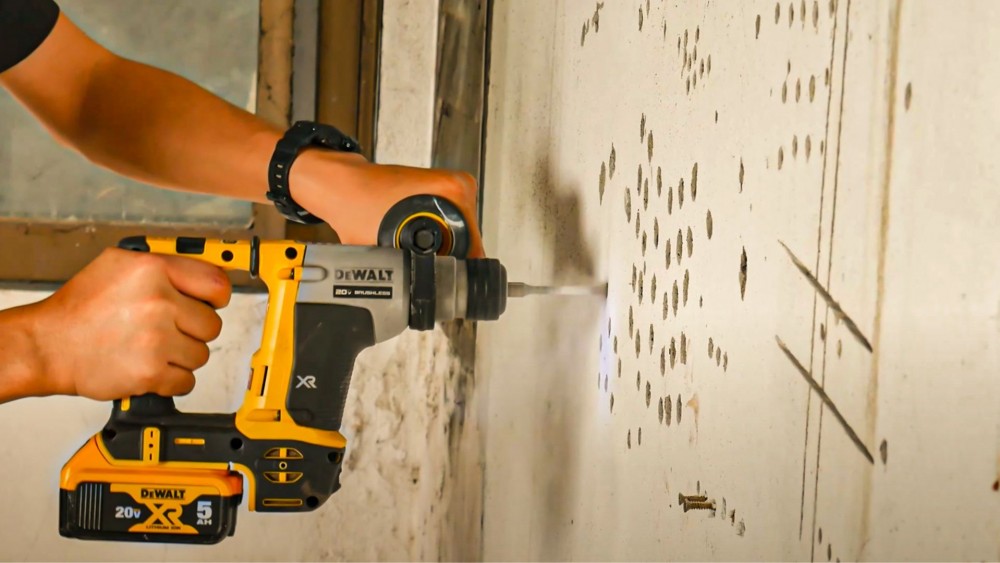
Applying too much downward force while using a rotary hammer is a common misconception. In reality, rotary hammers are designed to rely on their own impact and rotational force. Applying unnecessary pressure not only fails to speed up drilling, but also overworks the motor, accelerates bearing wear, and increases the risk of snapping the drill bit inside the tool. Letting the hammer work under its own power while applying just enough hand pressure to keep the bit engaged with the workpiece is the proper way to extend tool life and maintain optimal performance.
Proper Drilling Technique
- Let the drill work with its own force
- Apply just enough hand pressure to keep the drill bit engaged with the material
- If the bit does not penetrate, check whether it is suitable for the material instead of pressing harder
Using a rotary hammer by letting the tool work naturally will greatly preserve the tool and extend its lifespan.
4. Avoid running the tool continuously for too long
Operating a rotary hammer continuously for extended periods causes it to overheat, risking damage to the motor, impact mechanism, and internal components. Therefore, you should avoid operating it continuously for more than 20–30 minutes, followed by a 5–10 minute cool-down break. Plan your work with scheduled rest intervals, especially when working in hot or dusty environments, to extend the tool's lifespan and reduce the risk of premature repairs or replacements.
Heat Accumulation Issues
Although designed for heavy-duty tasks, rotary hammers—like many power tools—have limits for continuous operation. Extended use without breaks leads to heat buildup within the unit, causing damage to the motor, carbon brushes, and other internal parts.
How to Prevent Heat Damage
- Work continuously for no more than 20 minutes, then let the tool rest for 5–10 minutes
- Monitor the tool's temperature; stop and rest immediately if it becomes excessively hot
- Avoid using the rotary hammer in extreme heat or poorly ventilated areas
Taking appropriate rest intervals significantly extends the lifespan of the rotary hammer and reduces the risk of the tool shutting down unexpectedly.
5. Operate in a suitable environment
Operating a rotary hammer in a suitable environment—such as a dry, clean, and well-ventilated area—is another crucial factor in extending the tool's lifespan. Working in dusty, high-humidity, or extremely hot conditions can cause dust and debris to clog the ventilation system, leading to overheating or premature wear. Paying attention to the operating environment is essential to keep your rotary hammer performing at its best and to minimize the risk of damage from external factors.
Why does the working environment matter?
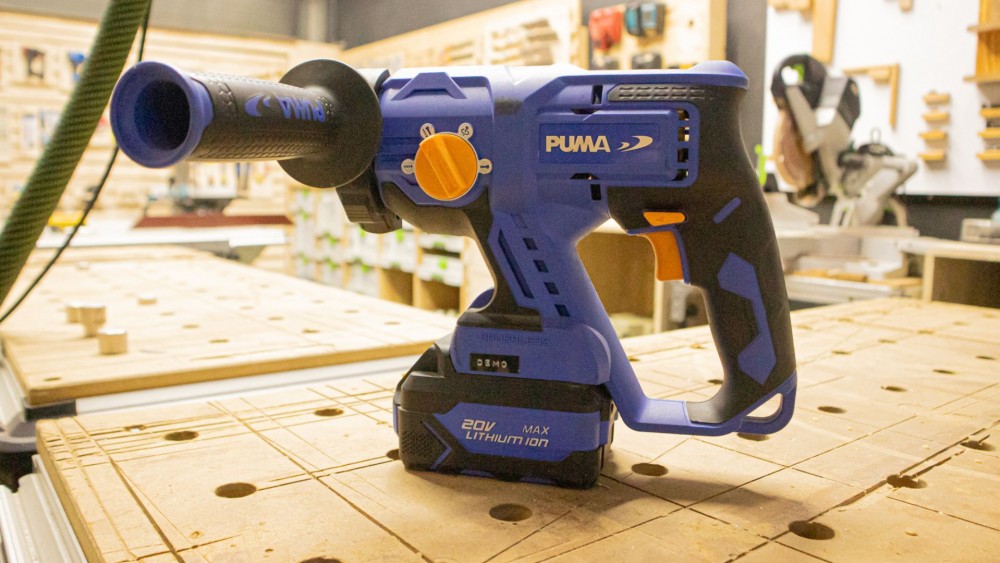
Using a rotary hammer in areas with heavy dust, high humidity, or extreme heat increases the likelihood of dust entering the tool. This prevents the cooling system from working at full efficiency, leading to faster-than-normal damage to internal components.
Usage Recommendations
- Use the rotary hammer in dry and clean areas as much as possible.
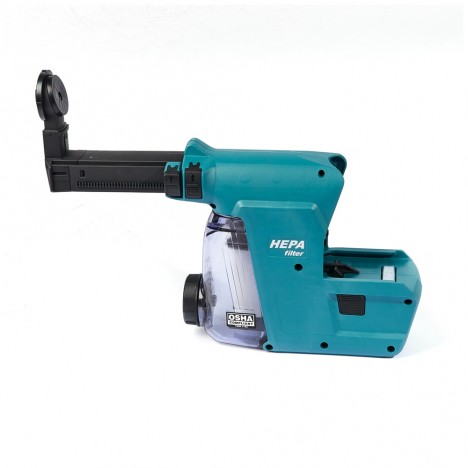
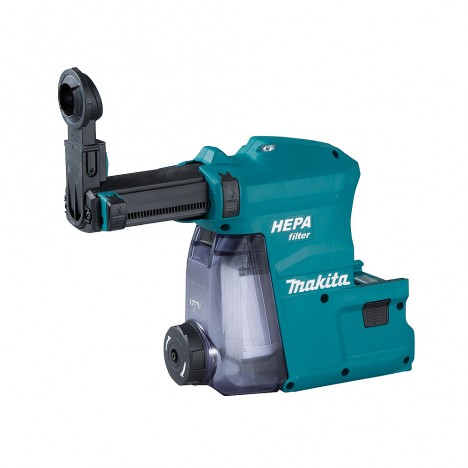
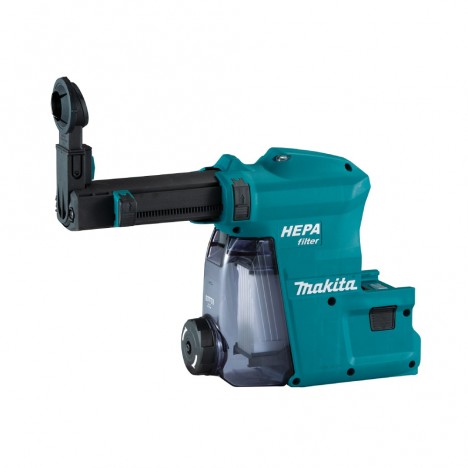
- If dust cannot be avoided, use a vacuum cleaner in conjunction or install a dust extraction attachment directly onto the drill.
- After use, blow dust out of the tool using high-pressure air from equipment such as a blower.
Taking care of the working environment, although it may seem minor, greatly impacts the lifespan of a rotary hammer—even if many brands are built for heavy-duty and demanding tasks.
6. Regularly care for and maintain the tool
Regular care and maintenance of a rotary hammer is crucial for extending its lifespan and maintaining consistent tool performance. Continuous use without inspecting or cleaning can cause dust accumulation, friction damage, or even failure of internal components, causing the rotary hammer to deteriorate faster than it should. Proper and ongoing maintenance is therefore an investment that saves costs and reduces the risk of future downtime.
Maintenance that many overlook
Many people often use a rotary hammer continuously without caring for it, cleaning it, or replacing worn spare parts, causing the tool to deteriorate much faster than it should.
Proper rotary hammer maintenance
- Clean the tool after use.
- Inspect and replace worn parts, such as carbon brushes, according to the manufacturer's recommended schedule.
- Apply grease at specified points (especially for models with an impact mechanism).
- Send the rotary hammer to a service center for an annual inspection if it is used heavily.
Regular maintenance is a worthwhile investment to keep your rotary hammer ready to perform at its full potential over the long term.
7. It is best to use genuine accessories and spare parts
Choosing standard and genuine accessories and spare parts is essential for rotary hammer maintenance, as these components are designed to perfectly match the tool's performance and structure. Using substandard parts can reduce the rotary hammer's performance, increase the risk of damage, and compromise user safety. Investing in genuine accessories and spare parts is therefore a cost-effective choice in the long run, ensuring the rotary hammer operates at full efficiency and achieves a longer lifespan.
Risks of using counterfeit spare parts
Choosing non-standard accessories such as drill bits, chisels, or replacement spare parts may prevent the rotary hammer from operating at full efficiency or cause problems during use, such as drill bits breaking inside the chuck, risking motor damage, or even causing accidents while working.
Why use genuine spare parts?
- Standardized compatibility with the tool
- Longer service life
- Reduces risk of hazards
- Does not void product warranty
Investing in genuine accessories and spare parts protects both your tool and yourself in the long run.
Conclusion
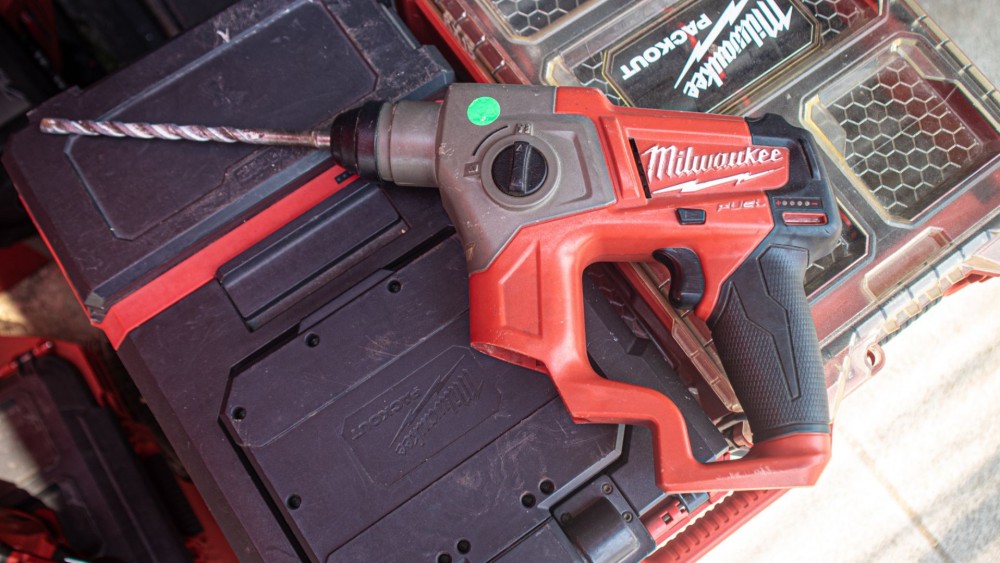
Using a rotary hammer efficiently and maximizing its lifespan depends not only on choosing a quality rotary hammer, but also on paying attention to proper usage, regularly inspecting the tool's condition, and strictly adhering to safety instructions. Even professional-grade tools require proper care to maintain peak performance and maximum safety during work.
Additionally, rotary hammer maintenance—such as cleaning after use, replacing carbon brushes at scheduled intervals, and avoiding operation in unsuitable environments—is another crucial factor in extending tool life. Neglecting these small details may cause the tool to deteriorate faster than it should and result in unnecessary repair or replacement costs.
When shopping for an Rotary hammer So, don't forget to apply these 7 guidelines to keep your tools running at full performance and lasting as long as possible.