


 EN
 ไทย


Customers Also Purchased


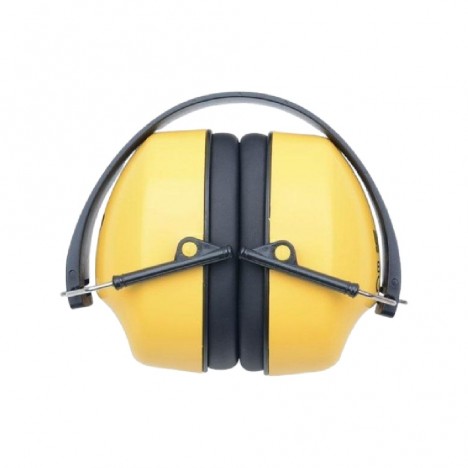
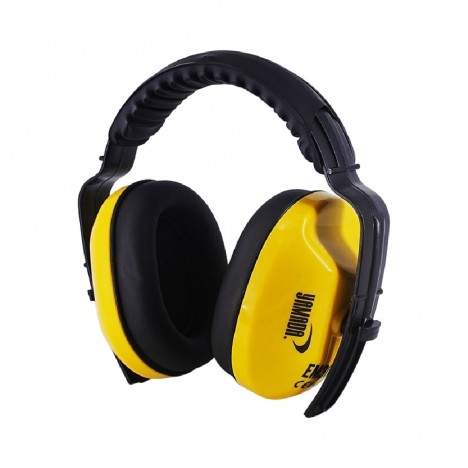

Electrical work is one of the highest-risk professions. Whether running wiring, replacing electrical components, or repairing control panels, electricians must always be mindful of hazards from electric shocks, short circuits, or even accidents related to tools and the work environment. Using safety equipment is therefore not just an option, but a necessity that can literally mean the difference between life and death. In this article, we will introduce you to Personal Protective Equipment essential safety equipment that electricians must not miss, along with recommendations on how to choose and use them correctly to ensure that every electrical task is as safe as possible.
Basic Safety Equipment for Electricians
Electrical Safety Helmet
- Protects the head from high-voltage electricity, impacts from hard objects, and falling materials in the work area.
- You should choose a helmet that meets ANSI Z89.1 or EN 397 standards, which clearly specify impact resistance and electrical protection capabilities.
- The helmet should have electrical insulation rated Class E (Electrical), which can withstand up to 20,000 volts, ensuring that the head is effectively protected in the event of an accident involving high-voltage lines.
- It should feature an adjustable chin strap for a secure fit so that it does not fall off while working, especially when working at heights or in areas requiring constant movement.
Insulated Gloves
- Made from specially formulated electrical-insulating rubber, capable of withstanding voltages from 500V up to several thousand volts, categorized into classes such as Class 00, 0, 1, 2, 3, and 4 according to the ASTM D120 standard.
- Always inspect for leaks or damage before every use, such as by performing an air-inflation test and checking elasticity. If any defect is found, replace them immediately for maximum safety.
- The service life of electrical insulating gloves should not exceed 6 months from first use, and they should undergo periodic electrical testing according to standards.
- They should be worn with leather protector gloves over them to protect against sharp objects, metal sparks, or other hard items that could puncture the rubber gloves and compromise their electrical insulation.
Electrical Hazard Safety Shoes
- Features electrical-insulating soles, especially at the midsole and outsole, designed to prevent the conduction of electricity into the body from the ground. This is vital in tasks with risks of electrical leakage or faulty grounding systems.
- Choose EH (Electrical Hazard) rated footwear designed to ASTM F2413-18 standards, which can withstand up to 18,000 volts under dry conditions.
- Avoid using them in wet or high-moisture areas because EH shoes cannot protect against electricity when wet. Switch to DI (Dielectric Insulated) footwear or special rubber-soled shoes intended for wet environments instead.
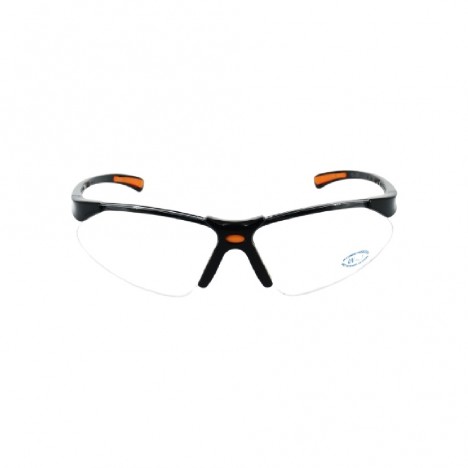
Safety Goggles
- Protects against sparks, dust, or debris from drilling or grinding, which can fly into the eyes and cause immediate, severe visual damage.
- Choose glasses with anti-static properties to prevent static electricity from building up on the lenses, which could attract dust or cause small shocks.
- Lenses should feature scratch-resistant properties and comply with ANSI Z87.1 or equivalent standards to ensure impact resistance and long-lasting use.
- Opt for glasses that fit snugly on the face, with non-slip nose pads and temples, for confidence while working.
- For tasks that take a long time, it is recommended to choose glasses with UV or glare protection to preserve your eyesight.

How to choose safety equipment suitable for electrical work
Check the standards
- Every piece of safety equipment should comply with safety standards such as ANSI (American National Standards Institute), ASTM (American Society for Testing and Materials), or IEC (International Electrotechnical Commission) to confirm that it has been tested under rigorous conditions and is genuinely safe for use with electrical systems.
- Check the manufacturer's labels or certificates, or inquire with trusted distributors to verify official certifications, and request supporting documents such as a Certificate of Conformity (COC) or laboratory test reports.
Match the equipment to the type of work
- For high-voltage work, use Class 0 or higher safety equipment, such as high-voltage gloves, Class E safety helmets, or high-energy arc flash suits to protect against unexpected electric shocks and short circuits. This safety equipment should be tested to standards such as ASTM D120 or IEC 61482 to ensure it can effectively withstand voltage and temperature.
- For work in damp areas, prioritize waterproof and moisture-resistant safety equipment, such as dielectric (DI) safety shoes, waterproof insulating floor mats, or gloves with special waterproof coatings, which help reduce the chance of water conducting electricity to the body. Avoid water-absorbent safety equipment, such as cloth gloves or untreated leather shoes.
Inspect condition before use
- Never use damaged, torn, or expired safety equipment under any circumstances, because even a minor leak could cause the protective system to fail, posing an immediate risk of electric shock.
- Rubber gloves should be inspected for leaks by air testing: roll the cuff to trap air inside, then squeeze to check for escaping air or hissing sounds. If any leak is found, discard them immediately and replace them with a new pair.

Common mistakes when using safety equipment
Not wearing complete safety equipment
Some workers only wear a hard hat, which—while protecting the head—leaves them neglecting insulating gloves or electrical safety shoes. This leaves them exposed to severe electric shocks, especially when touching live wires or working in areas with electrical leakage. Without an isolated path, an accident can occur in a split second.
Using the wrong type of safety equipment
For example, using chemical-resistant gloves instead of electrical insulating gloves: although they may look similar, they cannot protect against electric current because their materials and design are not rated for electrical voltage. Using the wrong type can lead to immediate electric shock in the event of an electrical leak or contact with energized wires.
Using Expired Safety Equipment
Especially rubber gloves and safety helmets, which have a limited lifespan specified by the manufacturer. For example, rubber gloves should be replaced every 6 months after opening, even if they still look new, because their electrical insulation performance degrades over time. Safety helmets should be replaced every 2-5 years, depending on usage conditions and the environment; for instance, exposure to intense sunlight or high heat will accelerate plastic degradation.
Tips for Maintaining Safety Equipment
Cleaning
- Use mild soapy water and a clean cloth to wipe down safety equipment after every use to remove sweat, dust, and accumulated dirt, which can cause safety equipment to deteriorate more quickly if left uncleaned.
- Never use harsh chemicals on electrical insulating gloves and clothing, such as degreasers or concentrated alcohol, as they can corrode the insulating material, reducing its electrical insulation performance or rendering it completely unusable.
Storage
- Store in a dry place at normal room temperature, away from direct sunlight or heat sources, as heat and UV rays can accelerate material degradation faster than normal—especially rubber and plastic materials that are sensitive to degradation.
- Gloves should be stored in a dedicated box without folding or rolling to prevent permanent creases, which can become weak spots leading to leaks or tears when reused. They should be laid flat or hung where there is no pressure applied to them.
Inspection
- Safety equipment should be inspected before every use, such as checking the external condition, looking for cracks, leaks, or damage that could affect performance. A major inspection should also be conducted every 6 months by a specialist or safety officer to assess readiness for use and ensure compliance with the latest standards.
- Damaged or deteriorated safety equipment should be replaced immediately without hesitation, even if it still appears usable, because invisible deterioration can cause serious accidents later on.
Conclusion
Working with electricity without proper safety equipment is truly playing with fire. Every piece of safety equipment mentioned might seem cumbersome or costly, but compared to life and safety, it is the most worthwhile investment. Don't wait for an accident to happen before paying attention to safety, because "Use it right, stay alive; use it wrong, life changes forever" is a warning every electrician should remember!