


 EN
 ไทย


Customers Also Purchased
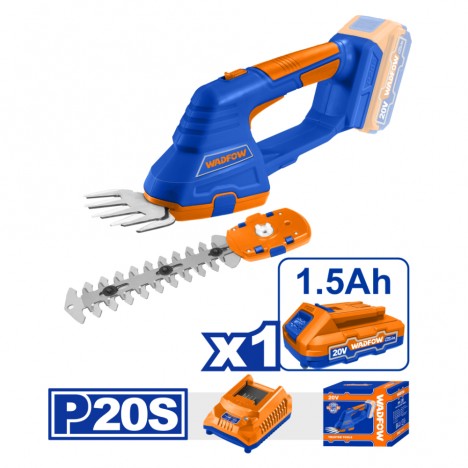
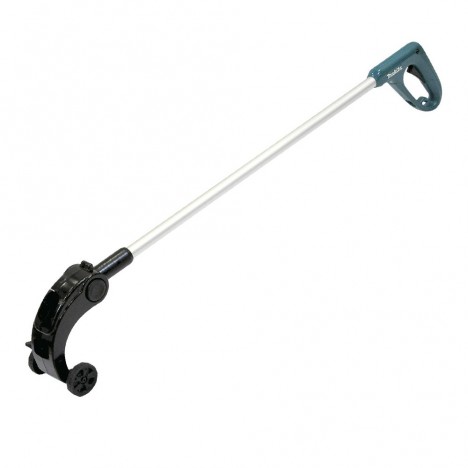


Hedge Trimmer Hedge trimmers are among the most popular tools for garden maintenance, helping you trim trees, bushes, and hedges quickly, neatly, and tidily. These tools typically feature high-speed reciprocating blades and sharp cutting edges that can smooth out a bush in minutes. At the same time, the sharp blades and high-speed motion can lead to severe accidents—such as deep lacerations, torn muscles, or even unexpected loss of limbs—if used carelessly or without proper operating knowledge.
This article will guide you through the key safety precautions for using hedge trimmers, covering pre-operation preparation, actual use, and post-use maintenance, ensuring you can operate them with maximum safety and extend your tool's lifespan for the best return on investment.
The Importance of Safety When Using a Hedge Trimmer
While using a hedge trimmer might seem like an ordinary task, it carries various hidden hazards—from fast-moving, razor-sharp blades that can inflict deep cuts in a fraction of a second, to loud noise that can cause permanent hearing damage, or vibrations that might lead you to lose control of the tool unexpectedly. Often, these accidents are not caused by machine malfunctions or equipment defects, but by negligence: operating without protective gear, holding the hedge trimmer improperly, or skipping pre-operation checks. Understanding safety precautions and proper preparation is therefore essential—not only for your own safety, but also for the safety of those around you and nearby property.

Common Risk Factors When Using a Hedge Trimmer
Sharp, High-Speed Blades
Hedge trimmers feature blades that move at high speeds and are exceptionally sharp. Direct contact for even a split second can cause cuts down to the muscle layer or immediate severe blood loss. In some cases, it may require emergency medical treatment or numerous stitches. The severity of an accident increases further if the hedge trimmer is still running upon contact. Therefore, never let your guard down for even a second when working near the blades.
Kickback and Vibration
Vibrations transmitted through the handles can cause your grip to slip or lead to accidental blade contact if the hedge trimmer is not held securely. Over extended periods of use, accumulated vibration can cause muscle fatigue in the hands and arms, impairing your full control of the hedge trimmer. Furthermore, operating without anti-vibration gloves or using an improper grip significantly increases the risk of accidents. Choosing a hedge trimmer equipped with an anti-vibration system or an ergonomic handle helps mitigate these effects.
Excessive Noise Levels
Some hedge trimmer models produce noise levels exceeding 90 dB. Continuous exposure without hearing protection can lead to long-term hearing issues such as tinnitus, ear inflammation, or even permanent hearing loss. This is especially true for those operating hedge trimmers in enclosed spaces or for several consecutive hours. Wearing hearing protection, such as high-quality earplugs or earmuffs, is just as vital as other safety gear; a minor oversight can lead to irreversible long-term damage.
Fatigue from Continuous Use
The weight of the tool and the effort required to maneuver it can cause fatigue, especially when used for extended periods without breaks. This reduces your control over the hedge trimmer, leading to shaky hands or slower-than-usual reactions, which increases the risk of injury or accidentally striking objects or your body. Users should take regular breaks to relax their muscles, choose a hedge trimmer with a weight suitable for their arm strength, and opt for ergonomically designed handles to help distribute weight and reduce fatigue.
Key Precautions Before Operating a Hedge Trimmer
Always Inspect the Machine's Condition First
- Check that the blades are free of chips or rust; even minor damage can affect cutting performance and increase the risk of the blade breaking during operation.
- The power cord (if corded) should be inspected thoroughly for cuts, abrasions, or damage, as these can cause electrical leaks or electric shock.
- Ensure the battery is firmly secured and fully charged (for cordless hedge trimmers). Check that the battery locks tightly into the tool without being loose, and is free of water stains or moisture to prevent short circuits.
Wear Complete Safety Equipment
- Cut-resistant gloves: Choose gloves that provide good protection against cuts and blade friction, such as Kevlar gloves or those certified to the EN 388 standard.
- Safety glasses: Help protect against flying leaves, wood chips, or dust. Choose a pair that fits snugly to the face and resists fogging.
- Earplugs or earmuffs: Reduce machine noise levels, especially for petrol engines with noise levels above standard thresholds. Choose hearing protection with a noise reduction rating of 25 dB or higher.
- Slip-resistant closed-toe shoes: Choose shoes with deep tread patterns and waterproof properties for stability when walking on damp soil or wet grass.
- Long-sleeved shirts and long pants: Protect against scratches from branches and reduce the risk of direct contact with blades or toxic plants.
Read the Specific Model's Manual Thoroughly
To understand how systems operate, such as safety lock buttons, power on/off procedures, emergency braking systems, speed settings, and operational limits in various scenarios (e.g., sloped areas, dense hedges, or unfavorable weather conditions). Reading the manual also helps you understand routine maintenance tasks that should be performed regularly, such as checking bolt tightness, lubricating the blades, and properly storing the hedge trimmer after use. Furthermore, manuals for certain models contain brand-specific tips, such as the recommended blade-to-branch clearance or the optimal speed for trimming different hedge types—invaluable information that users should never overlook.

Precautions While Operating a Hedge Trimmer
Hold the Hedge Trimmer Firmly with Both Hands
Do not operate with one hand or hold it at an improper angle, as this prevents full control of the hedge trimmer and risks sudden kickback or slipping from the cutting line, easily leading to accidents—especially when working in confined spaces or at elevated heights. Users should always hold the hedge trimmer with both hands and maintain a stable stance for maximum cutting precision and safety.
Do Not Attempt to Cut Overly Thick Branches
Hedge trimmers are designed for leaves and soft twigs. Attempting to cut hard or oversized branches can cause blade damage—such as breaking, bending, or premature wear—and may overload the motor, causing violent kickback that can instantly put the operator out of control and in danger. Hard branches can also snap back toward the user, causing cuts or striking the face and eyes. Therefore, avoid using a hedge trimmer beyond its rated capacity, and switch to a pruner saw or an appropriate tool instead.
Keep others, especially children, away from the work area
The area around you within at least 2 meters should be a safe zone, free from obstacles such as tables, chairs, or tree branch debris, allowing the operator to move easily and reducing the risk of tripping. Barricades or warning signs should be used to alert others, especially children and pets, to stay away during operation. This is to prevent potential accidents caused by machine movement or blade kickback.
Do not operate when fatigued or in an unstable posture
Operating a hedge trimmer should be done in a stable posture, standing firmly with feet slightly apart to maintain balance while working, and without overreaching to prevent slipping or losing balance. Hold the hedge trimmer at a comfortable level relative to your body without reaching or bending too much, and avoid trimming in an awkward, twisting posture as it can cause loss of balance and injuries from losing control of the hedge trimmer.

Extra Tips for Safe and Efficient Operation
- Practice on small hedges first if you are a beginner to learn how to control the hedge trimmer, position the cutting angle, and get a feel for blade kickback, which will help increase confidence and minimize mistakes during actual work.
- Operate only during daylight or in well-lit areas, as clear visibility helps you trim hedges accurately, prevents the blades from cutting the wrong spots, and prevents accidents from unseen obstacles.
- If the hedge trimmer makes unusual noises or vibrations, stop operation immediately and inspect it, as these symptoms may indicate internal issues such as loose blades or motor malfunctions, which could be hazardous if operation is forced to continue.
- Choose a hedge trimmer that fits the size of the hedges you maintain—neither too small nor too large. A hedge trimmer that is too small requires excessive effort to cut, while an unnecessarily large machine can be difficult to control in tight spaces.
- Sharpen the blades regularly at least 1–2 times a year to maintain cutting efficiency, reduce kickback, and prevent the motor from overworking, which extends the overall lifespan of the tool.
Conclusion: Safety is a key priority that should never be overlooked
Although hedge trimmers help keep your garden looking professionally maintained, improper or careless use can turn them into hidden hazards. By simply paying attention to the precautions mentioned, never neglecting safety measures, and following the instructions, you can operate hedge trimmers safely and for a genuinely long lifespan.