


 EN
 ไทย


Customers Also Purchased
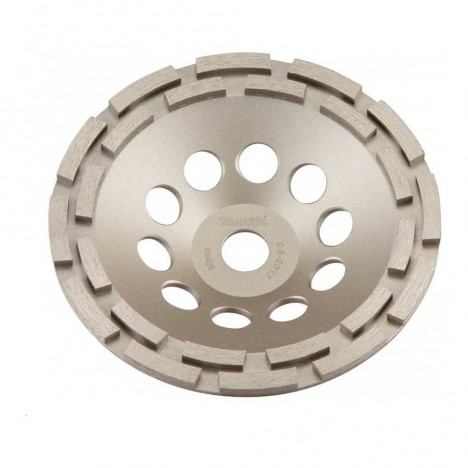
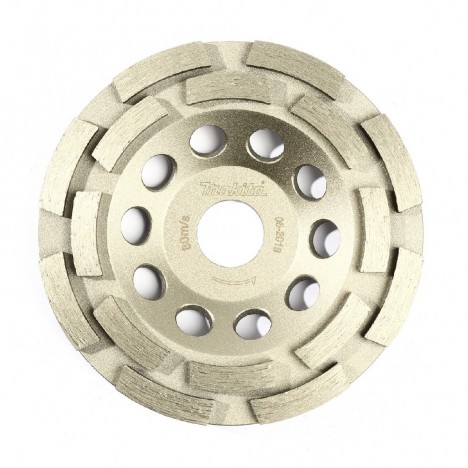
However, with prolonged use, the performance of a diamond blade gradually declines. This can stem from blade surface wear, diamond grit loss, rusting, or even warping and chipping due to improper use. All of these directly impact work quality and user safety. Forcing the use of an exhausted blade can lead to more damage than you might think—such as crooked cuts, fractured cut lines, chipped workpieces, or abnormal tool vibration.
In this article, we will explore 6 key signs that tell you it's time to replace your diamond blade to ensure every cut remains accurate, safe, and efficient.
Along with easy-to-understand, practical tips to help you make the right, cost-effective replacement decisions without failing at critical moments of your work.
Sign 1: The diamond blade starts losing its sharpness
When your diamond blade begins to lose its sharpness, cutting efficiency drops noticeably. Early signs to watch for include cuts that are no longer smooth, a dragging or binding sensation during use, and defects on the material's surface after cutting—such as rough edges, small cracks or chips on tile edges, and crooked cuts. You may also feel vibration from the tool or need to apply significantly more pressure to force the blade through the material. All of these indicate the diamond blade is no longer at peak performance.
- Cutting takes longer than usual
- Requiring more effort yet yielding rough, uneven results
- Abnormal loud noise during cutting
- Noticeable excessive heat buildup on the blade during use
A dull blade noticeably degrades work quality. What should be a clean, smooth cut ends up with chipped, rough, or uneven edges. In addition, forcing a dull diamond blade places an extra load on your power tool, which can cause your grinder or cut-off saw to wear out faster and unnecessarily waste energy.
Solution
- Check the diamond blade's service life against actual usage
- Replace the diamond blade immediately if cutting becomes noticeably slower or the operating sound changes
- Regularly clean the diamond blade after use to extend its service life

Sign 2: The diamond blade is cracked or chipped
Although cracks may seem minor to many people, for diamond blades, they are critical warning signs that should never be overlooked. When the blade rotates at high speeds, even the smallest crack can expand rapidly under immense centrifugal force, potentially causing the blade to shatter instantly without warning. An incident like this can cause severe damage to the workpiece and tool, and most seriously, may inflict severe injuries on the operator. Therefore, it is essential to inspect the blade thoroughly before every use. If even a tiny crack is found, stop using it immediately and replace it with a new blade in perfect condition.
Symptoms to watch out for
- The blade edge has minor cracks or chips
- Visible hairline cracks along the blade body
- Abnormal vibration occurs during operation
These issues can result from drops, impacts, or using the blade on materials that are beyond its capacity. High-speed rotation of a cracked blade can cause it to shatter, posing grave danger to both the operator and nearby personnel. Therefore, checking for chips or cracks before every use should never be overlooked.
Sign 3: Abnormal blade wear
Blade wear is a normal occurrence resulting from lifespan and cutting frequency. However, if uneven wear occurs—such as certain spots wearing down faster than others or signs of severe erosion—it may indicate operating issues. These can include applying excessive pressure, cutting at inappropriate RPMs, or using the blade on materials harder than it is rated for, such as using a tile cutting blade to cut harder concrete or granite. Additionally, if you notice the diamond grit peeling off to the point where the blade's bare core metal is clearly exposed, that is a sign the cutting surface is worn out. Forcing continued use can cause high friction, heavy machine vibration, and risk damage to both the workpiece and the cutting machine itself.
Wear patterns to watch out for:
- The blade is worn unevenly on one side and loses balance
- Diamond grit has worn away, leaving bare metal exposed
- The blade is bent, warped, or distorted from excessive pressure
Abnormal wear not only reduces cutting performance, but also affects the rotational balance of the diamond blade. This causes the grinder or cutter to vibrate, make loud noises, or even wear out prematurely. Using an unbalanced, worn blade also leads to crooked cuts, untidy work, and unnecessary extra effort.
Sign 4: The diamond blade produces smoke or a burning smell during cuts
A burning smell or smoke generated while cutting materials indicates a more serious problem than one might think, and it is often overlooked by technicians at first. While this odor and smoke might seem like temporary friction side effects, they are in reality warning signs that the diamond blade is malfunctioning. This is commonly caused by a dull blade, diamond grit that has completely worn down, or internal blade structure degradation that impairs proper heat dissipation. Furthermore, built-up heat can warp or distort the diamond blade and damage the cut material with burned edges, melted surfaces, or rough cuts. It also places an extra load on the cutter, causing the motor to overheat and risking premature breakdown.
Common causes:
- Using the wrong type of blade for the material, such as using a tile blade to cut concrete
- Excessive blade wear causing high friction
- Continuous use without rest, causing the blade to overheat
Continuing to use it risks damaging the material, causing surface cracks, or even melting or deforming the blade. In addition, the burning smell may indicate the accumulation of hazardous chemicals produced by friction, so this issue should be addressed immediately upon detection.

Sign 5: The diamond blade vibrates or wobbles abnormally
When using a diamond blade and the machine experiences vibration, wobbling, or unusual noises, do not overlook these symptoms. They can be clear signs that something is wrong with your diamond blade. Common causes include an improperly secured blade or one that is not centered on the machine's arbor, causing the centrifugal force during rotation to distribute unevenly. Another case is when the diamond blade begins to lose balance due to uneven wear on each side. Continuing to operate under vibration or abnormal noise not only results in rough cuts, but also risks hazardous kickback to the user, blade detachment, flying debris, or damage to the machine's spindle. Therefore, stop operation immediately upon noticing these symptoms to inspect it. If any damage is found on the diamond blade, even minor, replace it immediately for maximum safety.
How to check:
- Notice unusual sounds and vibration during cutting
- Check the blade mounting point for looseness or wear
- Try slowly rotating the blade by hand to check for smooth rotation
If the blade is unbalanced, the centrifugal force generated during operation can impact the tool's motor, leading to chronic damage to the equipment and increasing the risk of the blade flying off.
Sign 6: Exceeding the recommended lifespan of the diamond blade
Every diamond blade has a limited lifespan. Even if it appears to function normally, its performance may deteriorate unnoticed by the user, such as reduced sharpness, poorer heat dissipation, or loss of blade balance. Eventually, the diamond blade will no longer deliver satisfactory results and may become more of a liability than a benefit, regardless of how long it has been in use. Replacing the blade at the right time is crucial to ensure consistent work quality and safe operation.
How to assess lifespan:
- Check manufacturer specifications, such as cutting distance in meters or operating hours
- If used continuously for over 6 months—especially in heavy-duty applications—inspect the blade condition thoroughly
Many people overlook the lifespan of diamond blades, assuming that as long as it still cuts, it doesn't need replacement. In reality, blade deterioration may not be visible to the naked eye, such as diamond grit depletion, diminished heat dissipation, or unnoticed balance shifts, all of which directly degrade cutting performance.

Conclusion
Replacing diamond blades at the appropriate intervals not only ensures smooth cutting across various materials, but also prevents tool damage, reduces the chance of accidents, and visibly enhances work quality. This includes clean cut edges, sharp lines, and reduced strain on the user in terms of applied pressure and working time. Especially in high-precision tasks like cutting countertop tiles, interior finishing, or marble work, using an expired or unsuitable diamond blade can lead to rework, wasted time, extra costs, and severe safety hazards for the user.
Regularly inspect the condition of the diamond blade, perhaps by scheduling checks before and after every use while keeping an eye out for key warning signs.
Finally, remember to choose Diamond Saw Blades quality products from trusted manufacturers with certified standards and durability testing, ensuring that your chosen blade delivers full efficiency, safety, and great value.