


 EN
 ไทย


Customers Also Purchased


Water level A spirit level is an apparently simple hand tool that plays a crucial role in any task requiring accuracy, whether it's installing furniture, interior decoration, construction, or even DIY amateur projects. Choosing the right spirit level suited to your needs ensures great results, saves time, and significantly reduces errors.
The Importance of Spirit Levels in Craftsmanship
What Is a Spirit Level?
Why Use a Spirit Level?
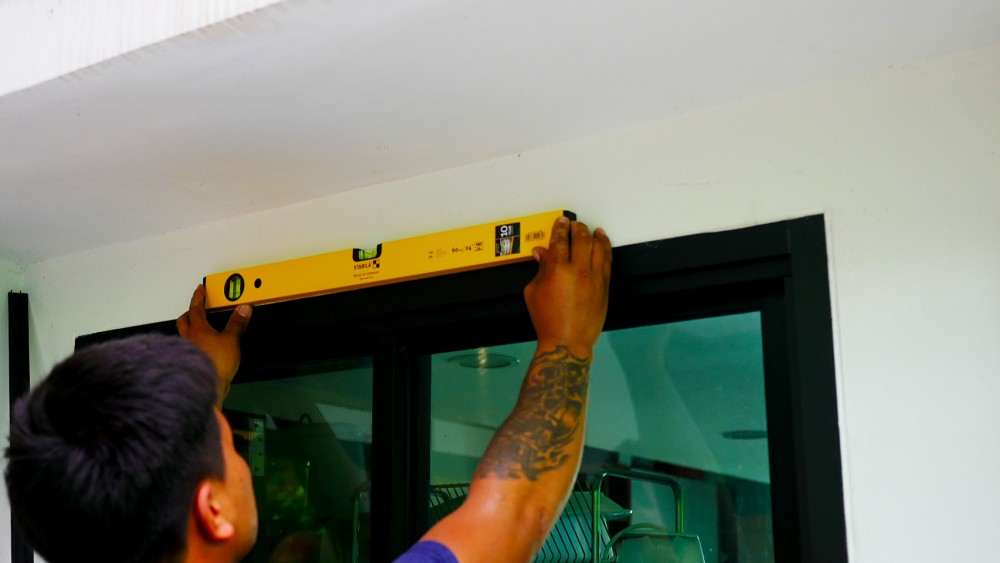
- To ensure that installed furniture, such as shelves, picture frames, or wall-mounted cabinets, is straight, level, and unskewed—delivering aesthetic appeal and safe usage.
- Used to set beams, posts, or walls square and plumb, which is the essential foundation of a sturdy structure.
- Prevents mistakes that lead to rework later, which can waste time, labor costs, and materials unnecessarily.
- Helps professional tradespeople work faster and to high standards, resulting in neat work that builds confidence for clients and users.
What Features Should a Good Spirit Level Have?
Body Material of the Spirit Level
The material of a spirit level clearly affects its strength, weight, lifespan, and tool accuracy. Selecting the right material enhances work efficiency—whether on demanding job sites requiring rugged durability or for home use requiring lightweight portability. Generally, spirit levels are made from:
Aluminum
- Lightweight and easy to carry, ideal for both household use and jobsites requiring frequent mobility.
- Corrosion-resistant and rust-free, even when used in humid or outdoor environments.
- Features a strong and flexible structure that does not bend easily, helping maintain accuracy over the long term.
- Commonly used in mid-to-high-end spirit levels, such as Stabila or Tajima brands, renowned for precision and durability.
ABS Plastic or Polycarbonate
- Lightweight and easy to move around, ideal for general users or beginners.
- More affordable than metal models, suitable for those who need infrequent or occasional use.
- Not as durable as metal; can deform or crack if dropped or subjected to heavy use.
- Suitable for indoor use or DIY projects such as installing shelves, picture frames, or wall decorations.
Steel or Metal Alloys
- Extremely strong, resists impacts and heavy use well; ideal for large-scale construction work such as erecting steel structures, pouring concrete floors, or leveling walls requiring high precision.
- Heavier and harder to carry than other materials, but stable when placed on uneven surfaces or in windy outdoor applications.
- If not rust-proof coated, corrosion may occur when exposed to water or moisture. Therefore, choose a coated model or use primarily in dry areas.
Length of the Spirit Level
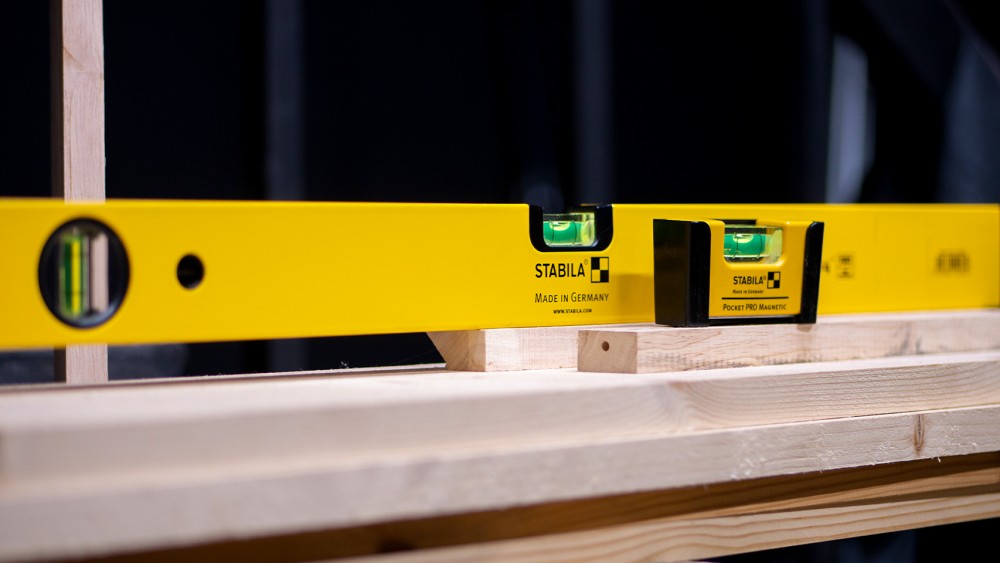
Length directly affects usability: the longer it is, the more accurate it becomes, as it covers a larger measurement area, reducing errors from uneven surfaces. However, this comes at the expense of portability and storage convenience, especially in tight or obstructed spaces. Choosing the right length for the type of work is therefore crucial; for example, interior decorating may use a shorter size, while construction work calls for a longer, high-precision model.
20–30 cm Spirit Levels
- Easy to use, convenient to carry
- Ideal for tight spaces such as cabinets, shelves, electrical appliances, or installing equipment in blind spots that larger levels cannot reach.
- Suitable for jobs requiring quick measurements, such as temporary level checks before final installation.
- Often popular for interior decoration work or repair technicians looking to carry light tools with them.
60 cm Spirit Level
- A popular size for general use due to its balance between accuracy and portability.
- Can be used both at home and on job sites, such as installing shelves, counters, drywall, or checking levels across medium-sized areas.
- Suitable for both professional tradespeople and general users who want a versatile, non-bulky, and easy-to-carry tool.
100 cm and Above Spirit Level
- Highly accurate, ideal for structural work such as beams, walls, or floors that require long-distance precision, such as leveling beams before pouring concrete or installing steel framing that must be strictly horizontal.
- Harder to carry, requires storage space, and may be inconvenient for use in tight spaces, but it is an indispensable size for construction or large-scale projects.
Accuracy
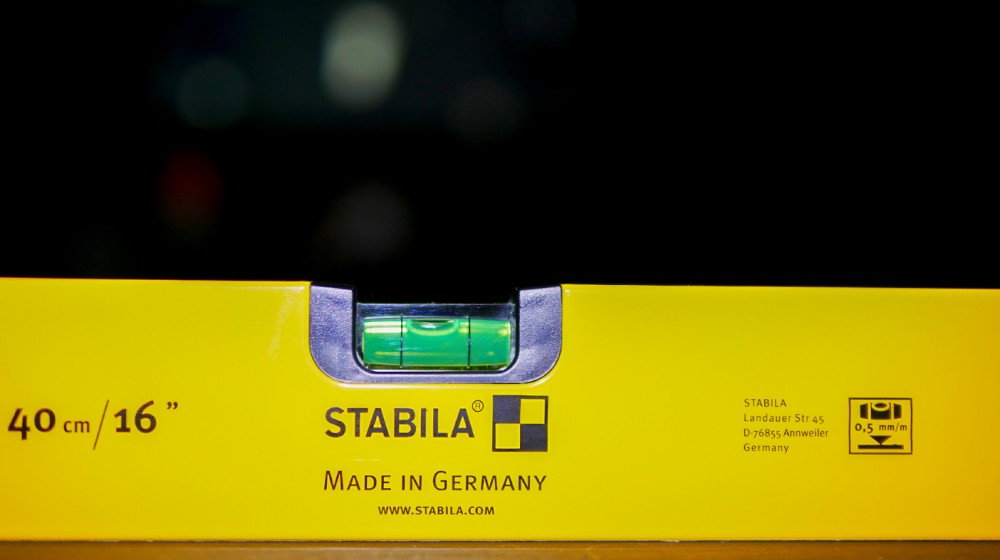
Accuracy is the most critical core of a spirit level, as it determines how straight and standard-compliant the work will be. Generally, a spirit level's accuracy is specified as an acceptable tolerance value, such as ±0.5 mm/m or ±1.0 mm/m, meaning that over a 1-meter distance, the spirit level may deviate from the true horizontal plane by no more than 0.5 or 1.0 mm, respectively. The lower the tolerance value, the more accurate the tool is, which is especially vital for precision work such as kitchen cabinet installation, interior decorating, or building flooring that strictly requires accurate leveling.
Standard Accuracy Values
- General spirit levels typically have an accuracy of ±0.5 mm/m to ±1.0 mm/m, which is considered sufficient for general tasks such as shelf installation or basic leveling checks around the home.
- For detailed work such as built-in furniture installation, kitchen cabinets, or workpieces that must fit flush together, you should choose a model with an accuracy of ±0.5 mm/m or less to ensure neat, standardized results.
Basic Accuracy Test
- Place the spirit level on a flat surface or a surface believed to be level, then observe the bubble's position to ensure it is centered between the indicator lines on the vial.
- Flip the spirit level end-for-end (180 degrees) and place it on the exact same spot again. Check whether the bubble remains in the same position.
- If the bubble remains in the same position, it indicates that the spirit level has high accuracy. However, if the bubble shifts significantly, it is recommended to recalibrate the tool or replace it to ensure precision in your work.
Interesting Additional Features in Modern Spirit Levels
Built-in Magnet (Magnetic Base)
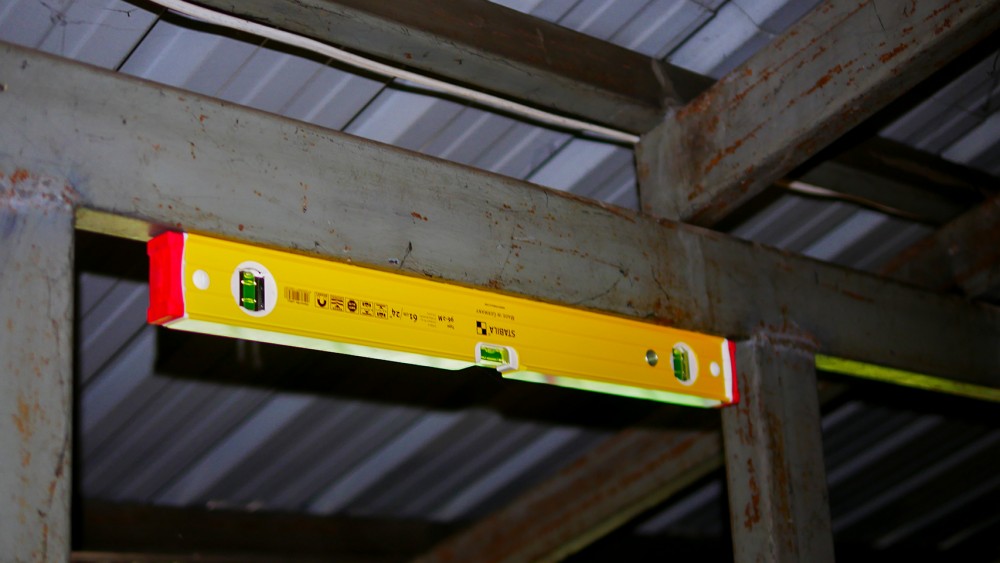
Helps attach to metal surfaces such as steel framing or pipes, allowing convenient one-handed operation without having to constantly hold the tool. This increases agility when working in hard-to-reach positions, such as ceiling installations or vertical structures.
Vertical Vial
Enables convenient vertical measurements without having to frequently flip the tool, especially when working in tight spaces such as wall corners or door frames where rotating the spirit level is awkward. Having a vertical viewing vial allows users to read levels more quickly and accurately.
Shock-Absorbing System or Rubber End Caps
Helps protect against impacts if dropped, reducing damage to the vials and the tool itself. Especially on construction sites or elevated areas where drops are common, rubber end caps absorb impact shock, ensuring the spirit level stays accurate, retains its calibration, and effectively extends the tool's lifespan.
Multi-Directional Vials
Some models feature 3 vials: horizontal, vertical, and 45 degrees, enhancing versatility for jobs such as installing curtain tracks, stairs, or sloped ducting. The 45-degree angle is crucial in decoration and construction work where precise joint angles are required. Having all three vial directions minimizes errors and adds convenience across every orientation.
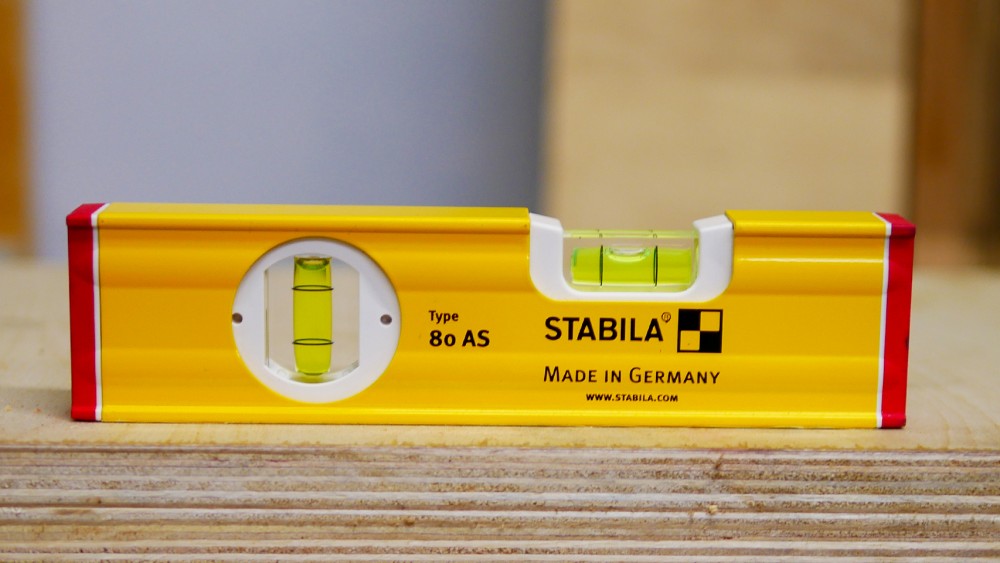
Recommended Popular Spirit Levels
Stabila (Germany)
- Extremely high accuracy, ideal for professionals in woodworking, construction, and interior fitting where ultimate precision is demanded. Stabila spirit levels are often certified to an accuracy of ±0.3 mm/m or better, surpassing general market standards. This ensures top-quality results with fewer reworks. They are also suitable for fine craftsmanship, such as installing luxury display cabinets, aligned built-in furniture, or laying out perfectly plumb drywall systems.
- Resistant to impacts and weather conditions, featuring a rugged build that withstands dust and water spray, making it reliable for use on outdoor job sites or damp environments.
- Vials are manufactured with Stabila's proprietary technology, delivering superior clarity and better vibration resistance than standard models.
How to Care for Your Spirit Level for Long-Lasting Use
Avoid Drops
Even though some models feature shock-absorbing rubber end caps, dropping the tool from heights can cause the vials to shift or crack, especially on models without industrial-grade materials or internal shock-dampening systems. Even a slight vial displacement can skew readings, leading to costly rework. Always handle the level with care and verify its accuracy after any impact or drop.
Always Keep It Dry
Do not let liquids or dust enter the vial openings, as this can affect bubble movement or cloud the vial, resulting in inaccurate readings and greatly reducing tool precision. Always wipe down the vials and body after each use, especially when working in dusty or humid environments.
Store Horizontally
Storing the level vertically can cause unnatural movement of the bubble, as gravity pulls the internal liquid off-center, keeping the bubble from resting in its natural equilibrium. Over extended periods, this can lead to calibration drift during actual use. Always store it horizontally to maintain measurement accuracy.
Conclusion
A good spirit level doesn't always have to be expensive, but it must be chosen to match your job requirements by considering 3 main factors:
- Material: Aluminum or plastic, depending on the durability required.
- Length: Longer means more accurate, but at the expense of maneuverability
- Accuracy: The smaller the number, the more accurate it is, which is crucial for precision work
Remember that a good spirit level helps every job look professional while saving time, effort, and rework costs in the long run.