


 EN
 ไทย


Customers Also Purchased
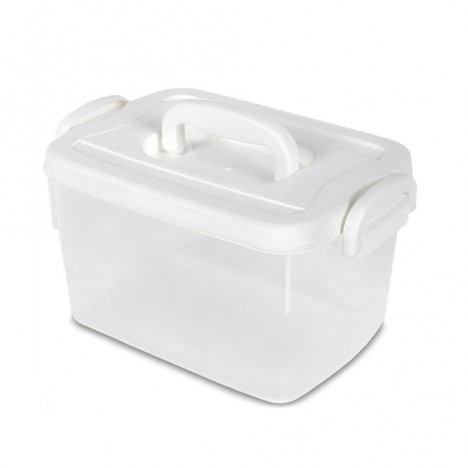
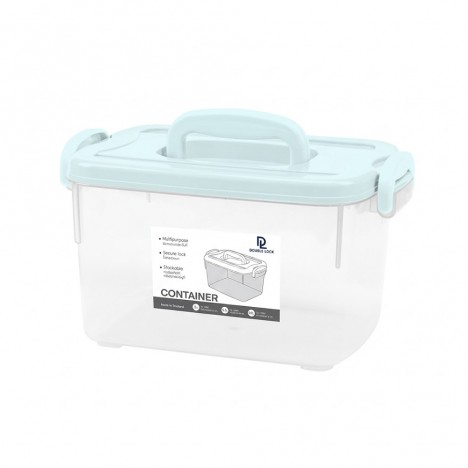
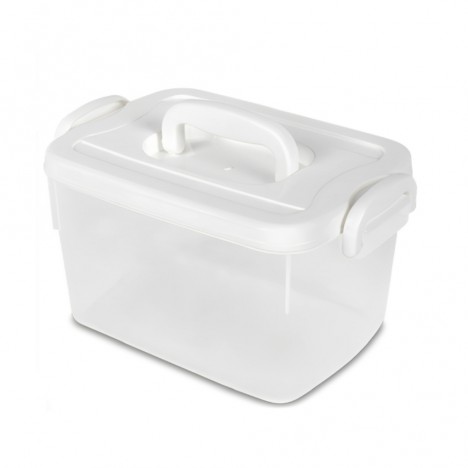
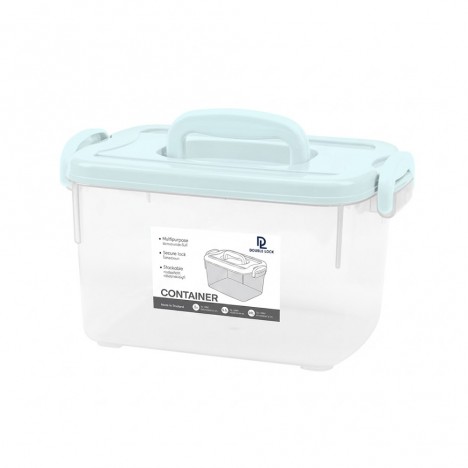
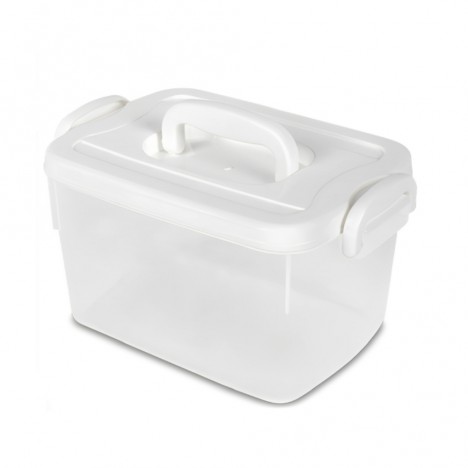
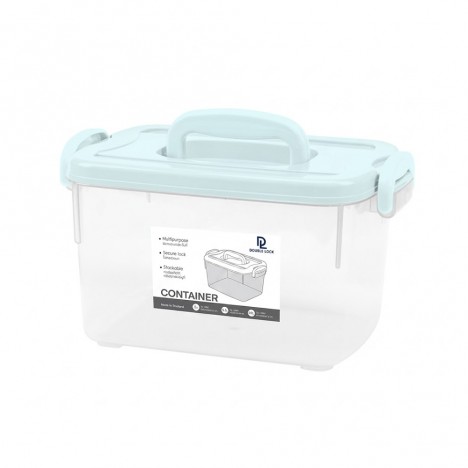
“Storage Box" may seem like an ordinary item commonly found in homes, garages, warehouses, or offices, but in reality, choosing the right material for a storage box can make a massive difference in terms of lifespan, strength, weather resistance, and protecting the contents inside from premature damage.
Many people might think that storage boxes are "just plastic, all the same," but in reality, various materials have been developed in the industry to support different applications—whether storing heavy-duty tools, outdoor use exposed to sun and rain, or organizing important office documents requiring neatness and clear visibility of contents. In this article, we'll take an in-depth look at popular materials used for storage boxes, ranging from easily accessible, budget-friendly PP (Polypropylene) to ultra-tough, premium HDPE Reinforced. We'll also provide a comparison table covering sun/rain resistance, load capacity, impact resistance, and more, helping you make a confident and truly cost-effective purchasing decision.
Get to Know the 7 Main Types of Storage Box Materials
Currently, in both online and offline markets, there are 7 main types of materials used to make storage boxes:
- PP (Polypropylene)
- PE or HDPE (High-Density Polyethylene)
- PC (Polycarbonate)
- ABS (Acrylonitrile Butadiene Styrene)
- HDPE Fiber-Reinforced
- Other clear plastics (PVC, PET, etc.)
- Metals (steel, aluminum, etc.)
Each material has its own pros and cons: some focus on affordability, some offer great UV resistance, some are transparent for easy viewing, and some are robust enough for heavy industrial facilities. Let's look at each type in detail.

1. PP (Polypropylene) – The Basic, Budget-Friendly Choice
- Advantages
- Affordable: PP storage boxes are generally more affordable than other materials, making them ideal for budget-conscious users or basic applications.
- Lightweight: Easy to move around and load into vehicles.
- Good water resistance: Does not absorb water and withstands moderate moisture.
- Non-toxic (if Food Grade): Some brands state that they are food-contact safe
- Disadvantages
- Brittle upon long-term UV exposure: When used outdoors for long periods, the plastic may crack or become brittle
- Limited impact resistance: Not suitable for heavy-duty technician work or storing heavy items
- Limited load capacity: Stacking multiple layers may cause it to buckle or crack
Who is it suitable for?
For those focusing on "indoor storage"—storing clothes, books, documents, or lightweight items without exposure to sun and rain, making it cost-effective for general use.
2. PE/HDPE (High-Density Polyethylene) – Tough and Durable
- Advantages
- Tough and impact resistant: HDPE has a high density, so it does not crack easily compared to PP
- Sun and rain resistant: Some models contain UV inhibitors, allowing them to be placed outdoors without becoming brittle or cracking
- Versatile applications: Commonly used in Heavy Duty storage boxes, such as storing technician tools, garage equipment, or for field use
- Long service life: Cost-effective in the long run
- Disadvantages
- Higher price than PP: Some models can be several times more expensive, especially if made from high-grade HDPE.
- Heavier weight: Makes it less portable, which might be inconvenient if you need to lift it frequently.
Who is it suitable for?
People who need outdoor "storage boxes" or use them in trade work, such as auto repair shops, construction sites, or those who need to transport heavy equipment.
3. PC (Polycarbonate) – Tough, transparent, visible contents
- Advantages
- Exceptionally strong and tough: PC is known for having the highest impact resistance among thermoplastics.
- Crystal clear like glass: Ideal for storing items that need immediate visual identification, such as display pieces or laboratory equipment.
- High heat resistance: Does not warp or melt easily.
- UV-stabilized grades available: Models with UV coating can be placed outdoors without turning yellow quickly.
- Disadvantages
- Relatively high price: PC manufacturing costs are higher than PP and PE.
- May yellow when exposed to sunlight (if not UV-coated)
- Easily scratched: The surface can get scratched if scrubbed vigorously.
Who is it suitable for?
People who need "storage boxes" with clear internal visibility, such as storing office supplies, cosmetics, or scientific components in a laboratory.
4. ABS (Acrylonitrile Butadiene Styrene) – Stylish plastic, but vulnerable to UV
- Advantages
- Moderate impact resistance: Tougher than PP, but not as tough as HDPE
- Attractive, smooth finish: Popular for design-focused products because it is easy to mold
- Moderately lightweight: Easier to move than metal
- Disadvantages
- Not UV resistant: Turns yellow or becomes brittle quickly when left outdoors
- Higher price than PP: Mostly sold as premium items
- Can crack under heavy impact: Not as durable as HDPE
Who is it suitable for?
Those who want a stylish "storage box" for indoor or office use, without exposure to intense sunlight or heavy loads

5. Fiber-Reinforced HDPE – The toughest among plastic boxes
- Advantages
- Extremely strong structure: Blended with glass fiber or other fibers for high impact and load resistance
- Pro-level sun and rain resistance: Suitable for field work or long-term outdoor use
- Long service life: Some models can last for decades without becoming brittle
- Ideal for heavy-duty factory use: Can hold heavy spare parts or large tools
Disadvantages
- Very high price: May exceed 1,000–3,000 THB per box
- Relatively heavy: Not convenient to carry around like smaller boxes
Who is it suitable for?
Auto repair shops, factories, construction sites, or those who need an industrial-grade "most durable" storage box
6. Other clear plastics (PVC, PET, etc.) – Lightweight, clear, affordable
- Advantages
- High transparency: Contents inside are clearly visible
- Lightweight and cheap: Easily available at stationery stores
- Suitable for storing light items: Such as cosmetics, miscellaneous knick-knacks, and jewelry
- Disadvantages
- Brittle: Can break or crack if dropped or subjected to heavy weight
- Not UV resistant: Quickly turns yellow or brittle under strong sunlight
- Limited load capacity: Not suitable for outdoor use or heavy-duty technical work
Who is it suitable for?
Home or office use, storing small items that require aesthetic appeal and clear visibility
7. Metal (Steel, Aluminum) – Strongest, but heavy and expensive
- Advantages
- Fire-resistant, high impact resistance: No fear of breaking if dropped
- Well-suited for industrial use: Withstands harsh environments
- Long service life: Lasts a long time with a good anti-rust coating
- Disadvantages
- Heavy and difficult to transport: Compared to plastic
- Expensive: Metal material costs are significantly higher
- Can rust (if made of steel and not properly coated/plated)
Who is it suitable for?
Industrial plants, warehouses, or for those needing extra durability; not commonly used in typical homes
Durability Comparison Table of Storage Box Materials
The table below provides an overview of how each material type of "storage boxes" performs in terms of sun, rain, and impact resistance.
| Material Type | Sun-resistant | Rain-resistant | Impact Resistant | Weight |
| PP | ★★ | ★★★ | ★★ | Lightweight |
| PE/HDPE | ★★★★ | ★★★★ | ★★★★ | Medium |
| PC | ★★ (without UV coating) ★★★★ (with coating) | ★★★ | ★★★★ | Medium |
| ABS | ★ | ★★ | ★★★ | Medium |
| HDPE Fiber-Reinforced | ★★★★★ | ★★★★★ | ★★★★★ | Relatively heavy |
| Clear PVC/PET | ★ | ★★ | ★ | Lightweight |
| Metal (Steel/Aluminum) | ★★★★ | ★★★★ | ★★★★★ | Heavy |
(Star ratings are general market comparisons and may vary depending on plastic grade or additional surface coatings)
Which type of storage box is the most sun- and rain-resistant?
From the table above, if you're focusing on extreme sun and rain resistance for true outdoor use, you should consider Fiber-Reinforced HDPE or Metal (for heavy load capacity or especially tough conditions), as these two materials are among the most durable on the market.
- HDPE Fiber-Reinforced: It is plastic blended with fibers or reinforcing agents, making it tougher and more weather-resistant than standard HDPE. Suitable for auto repair shops, factories, or construction sites.
- Metal: Used in heavy industrial plants or fire-hazard areas (because metal is non-flammable), but it requires maintenance to prevent rust and is relatively heavy.
For typical household users or mild outdoor activities, outdoor-grade PE/HDPE is sufficient. It is not as expensive as the Fiber-Reinforced type, yet it resists sun and rain very well.
 Tips for Choosing Cost-Effective Storage Boxes
1. Check the material based on actual use
- If used in the kitchen to store dry food, vegetables, or fruits, you may need to choose food-grade PP.
- If it needs to be placed in a garage or outdoors, choose HDPE or one with UV stabilizers.
- If visibility of the contents is required, choose clear PC or PET.
2. Inspect the structure and locking latches
- For workshop tasks or heavy items, look for sturdy locking lids that can withstand downward pressure.
- If you need to stack multiple layers, choose boxes designed with thick upper rims and anti-slip grooves or ridges.
3. Size and capacity
- Calculate the storage area by estimating the volume in liters or the width-length-height dimensions of the box.
- Often people buy the wrong size—either the items don't fit or it doesn't fit the space.
4. Budget
- Inexpensive storage boxes (clear PP, PVC) are suitable for light-duty use.
- Do not expect good weather and sun resistance if the price is only a few hundred baht.
- If you have more budget, consider choosing HDPE / PC to extend service life.
5. Storage environment
- Avoid exposure to intense sunlight even if the material is UV-resistant, as it may shorten its lifespan.
- If it is very humid (such as near the sea) or frequently exposed to rain, check the lid sealing system and rust-free materials.
Popular "Storage Boxes" by Application
- At home / condo: Clear PP or PET boxes in small to medium sizes, holding clothes, books, documents, or general items.
- In vehicle / camping: HDPE with tight-locking lids and good waterproof capability is recommended, as it may encounter rain, dirt, or frequent transport.
- Office / important documents: Clear PC or PET in A4 size helps keep files visible and organized.
- Auto repair shops / factories: Fiber-reinforced HDPE or metal should be used if maximum durability is required.
Examples of storage box brands and popular materials
- TRUSCO (Japan): Available in PP, PE/HDPE, and fiber-reinforced models (heavy-duty and extremely tough), popular in auto repair shops and factories.
- IKEA: Mostly economical PP, suitable for household use.
- WADFOW: Available in PP and HDPE, with some models focusing on value for money.
- Clear boxes found in stationery shops: Often made of thin PET or PVC, clear, and inexpensive.
If you want to check actual specifications, we recommend manufacturer websites or large online hardware retailers such as iTOOLMART, which feature numerous storage box models to choose from, complete with clear material information.

Summary Overview: Which Storage Box Material Is Best for You?
- PP: Light-duty use, affordable, primarily for indoor storage.
- PE/HDPE: For heavier-duty work, good sun and rain resistance, a step up in price.
- PC: Demands high transparency and strength, ideal for laboratories or offices.
- ABS: Nice design, moderate durability, but not suitable for sunlight exposure.
- HDPE Fiber-Reinforced: Toughest among plastics, high cost, ideal for factories and auto repair shops.
- Clear PVC/PET: Inexpensive, suitable for storing small items indoors.
- Metal: Industrial choice, heavy but fire- and impact-resistant.
Once you know the pros and cons of each material, choosing a "storage box" that fits your needs becomes much easier. For example, if you are a tradesperson or enjoy outdoor camping, you might lean toward HDPE, but if you're only storing stationery indoors, PP can save you a lot of money. Remember that investing in better materials can prevent you from having to buy replacements too soon and helps effectively protect the contents inside from damage.
Ultimately, remember that choosing the right material for your application is the most crucial factor when buying a "storage box". Ask yourself: "What am I going to store?", "Where will it be placed?", and "Will it be exposed to sun or rain?" Then select the model and material that best suit your needs to get great value for your money and protect your belongings over the long haul.
Additionally, for specialized applications—such as storing items at risk from high heat, humidity, or heavy impacts—consider consulting specialists or knowledgeable stores to get a box that truly "hits the mark" and avoids frequent repairs or replacements.