


 EN
 ไทย


Customers Also Purchased

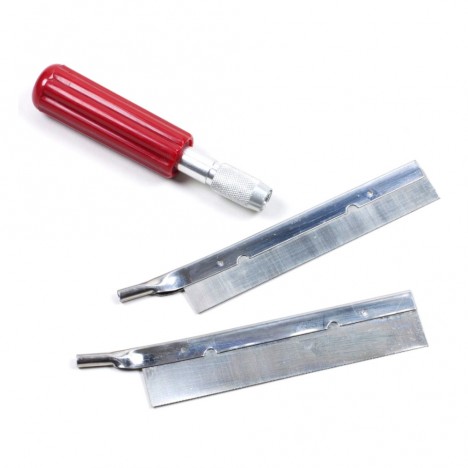


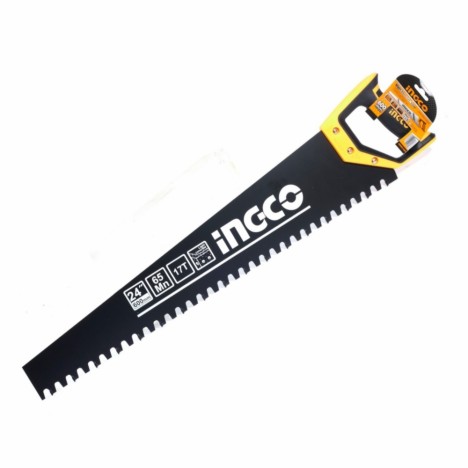

hand saws Handsaws are an essential woodworking tool for users of all skill levels, from DIY beginners to master craftsmen creating fine furniture—every workshop should have a quality handsaw on hand. Handsaws stand out for their cutting precision, classic handling, and delicate physical feedback that power cutting tools simply cannot replicate.
Get to Know Handsaws Before Caring for Them
Main Components of a Hand Saw
- Blade: The part used directly for cutting. Made of steel or high-grade steel, it comes in various thicknesses and lengths depending on the saw type. A good blade should be strong, moderately flexible, and not easily bent. If resin buildup or rust occurs, clean it immediately, as these reduce cutting efficiency.
- Teeth: The part that comes into direct contact with the wood. Tooth frequency (TPI - Teeth Per Inch) and tooth geometry greatly affect cut smoothness. Sharp teeth ensure smooth, precise cuts. Regular tooth sharpening extends tool life and maintains cut quality.
- Handle: The part the user's hand contacts directly. It must be strong, ergonomic, and secure to allow precise control over cutting direction. Hardwood or rubber-coated plastic handles typically provide comfort during prolonged use. If cracked or loose, repair or replace immediately for safety.
- Back Reinforcement: Found on certain saws such as Dozuki or Tenon Saws, this is a metal spine along the top of the blade. It adds rigidity to keep the blade from vibrating while sawing, resulting in straight, well-controlled cuts ideal for fine work. When maintaining this spine, avoid bending or severe impacts, as they can throw the blade off balance.
Hand Saw Materials and Their Impact on Maintenance
- High Carbon Steel: Delivers exceptional sharpness and smooth cutting with minimal effort. It sharpens quickly and easily, making it ideal for woodworkers who need high precision and use their saws frequently. However, its drawback is sensitivity to moisture; failing to wipe it dry or apply oil after use can lead to rapid rusting. Storing it in a dry place with desiccant packets is essential.
- SK5 Steel: A high-carbon steel commonly used in Japanese cutting tools, offering superior strength, durability, and flexibility compared to standard carbon steel. Blades made from SK5 resist tensile or bending stress without deforming, handle both light and heavy woodworking, and stay sharp longer than typical saws—ideal for precision-focused Japanese saws.
- Chrome / Teflon Coating: Helps prevent rust and reduces friction between the blade and the wood, allowing smoother cuts with less effort. Ideal for cutting green or moist wood. However, these coatings can peel or wear off with improper use, such as cutting rough lumber, sand-embedded wood, or overly hard materials. Use with care and inspect the blade surface condition regularly.

Proper Usage to Extend Hand Saw Life
Use the Right Saw for the Job
Do not use fine-toothed saws like Dozuki or Dovetail Saws on extremely hard woods (e.g., Makha, Teng wood) or stock thicker than 1-1/2 inches. These saws feature thin blades designed for delicate joinery requiring clean, precise cuts. Misuse can easily warp or break the blade and poses a safety hazard to the user.
Choose the right saw for the task at hand. For example, a double-edged Ryoba saw handles both crosscutting and rip cutting, making it suitable for general work or medium-to-large workpieces. Meanwhile, a Dovetail Saw is meant for cutting tenons or fine joinery in furniture work where high precision is required. Selecting the right saw for the intended purpose prolongs tool life and keeps the teeth sharp longer.
Saw Straight with a Steady Rhythm
Hand sawing relies on a steady rhythm rather than brute force, using continuous push or pull strokes driven by your arm and body weight. Avoid pressing down too hard, which can cause the blade to bind in the wood or make direction difficult to control. The correct technique is to start with light strokes to create a kerf guide, then gradually lengthen the stroke while maintaining a steady blade angle. Avoid twisting or jerking the blade, which can distort teeth, bend the blade, or cause skewed cuts—reducing cut quality and risking premature tool failure.
Avoid Hitting Hard Objects with the Teeth
Saw teeth are easily damaged by hard objects such as embedded nails, hidden screws, or concrete floors underneath careless setups. These can instantly chip, bend, or break the teeth, as well as cause premature wear that directly degrades sharpness and cut quality.
Therefore, inspect the wood or work material thoroughly before cutting to ensure no foreign objects are embedded, using a magnet or visual check. If any are found, remove them before cutting. After use, store the saw safely on a hanging hook or in a padded case to prevent teeth from accidentally striking other tools.
Techniques for Sharpening Saw Teeth Like New
Get to know the saw tooth types before sharpening
Understanding the shape of the saw teeth will help you sharpen them correctly and safely:
- Rip Cut: Chisel-shaped/rectangular teeth used for cutting along the wood grain. The teeth have straight cutting edges without alternating bevel angles to the left or right. Sharpening focuses on maintaining a straight edge, typically using a file held perpendicular to the line of teeth.
- Cross Cut: Angled teeth (usually triangular) used for cutting across the wood grain. The teeth have alternating beveled edges on the left and right, acting like small knife blades. Sharpening requires filing at an angle corresponding to each tooth's bevel to ensure clean cuts without tearing the wood fibers.
Each type has its own specific sharpening technique and angles. Sharpening at the wrong angle will cause the teeth to become dull or fail to cut properly. Therefore, you should study or practice on old saw blades first if you lack experience.


Tools needed for saw sharpening
- Triangular file: Specifically designed for sharpening saw teeth; small and sharp, ideal for filing between narrow tooth gullets.
- Use a vise, if you have one, to hold the saw firmly: Used to clamp the saw blade in place while sharpening so that it does not vibrate or shift, preventing incorrect sharpening angles.
- Flashlight or magnifying glass for inspecting saw teeth: Used to inspect the tooth line for consistent filing, helping to improve precision.
Steps for sharpening saw teeth yourself
- Clean the saw blade before sharpening so the tooth profiles are clearly visible.
- Clamp the saw blade securely in a vise at eye level.
- Use the file to sharpen each tooth following its original profile; be careful not to change the angle.
- Alternate sharpening between left and right in the case of crosscut teeth to maintain balanced sharpness.
- Check the tooth line to ensure uniform tooth height; if any teeth are abnormally high, file them down to match.
- Use a saw tooth set tool to bend the teeth outward, preventing the saw from binding in the cut (especially for crosscut saws).
When to replace the saw blade
- Multiple teeth are broken to the point where sharpening is impossible, or sharpening results in uneven edges.
- The saw blade is warped or bent from improper use or hitting hard objects.
- The teeth start cutting wood unevenly, continuing to wander or slip even after being sharpened.
- The saw blade is too thin or the surface is too smooth to hold a sharp edge anymore.
Proper storage extends the lifespan of a hand saw
Store in a box/sheath/hanging hook
Properly storing your hand saw after use will help extend its lifespan and keep the saw teeth sharp for longer. It should be kept in a dust-free, non-humid area protected from accidental impacts or crushing pressure. Good storage methods include using a blade guard to cover the teeth, wrapping it in cloth, or storing it in a leather or padded cloth sleeve to prevent the teeth from scratching against other tools. If you don't have a guard, turn the teeth inward when placing it with other tools, or hang the saw on a wall using a dedicated hook, which makes it easy to grab and reduces the risk of impacts.
Avoid moisture and frequent temperature fluctuations
Moisture is a major enemy of saw blades, especially those made from carbon steel, which tend to rust very quickly when exposed to accumulated moisture or frequent temperature changes that cause condensation. Avoid placing the saw on concrete floors, outdoors, or in garages without thermal insulation. It is recommended to store it in a wooden cabinet or toolbox located in a dry, well-ventilated, and dust-free room. If it must be stored in an enclosed space, check the humidity periodically.
Place desiccant packets inside the saw box
Adding desiccant packets (silica gel or bamboo charcoal) to your saw box or storage area effectively controls humidity levels and prevents rust. Use packets that are not yet saturated, and replace or dry them periodically if used continuously for several months, especially during the rainy season or in areas with year-round humidity. Using desiccant packets alongside coating the blade with oil provides an extra level of protection during storage.
Summary of tips for keeping hand saws sharp and durable
- Use appropriately for the type of saw
- Clean and wipe dry every time
- Apply anti-rust coating oil
- Sharpen the teeth when it starts to feel sluggish
- Store in a dry place with a protective sheath or case
If you consistently follow these tips, your hand saw will perform at its full potential, stay sharp for years, and most importantly, significantly reduce the cost of buying a new saw.