


 EN
 ไทย


Customers Also Purchased


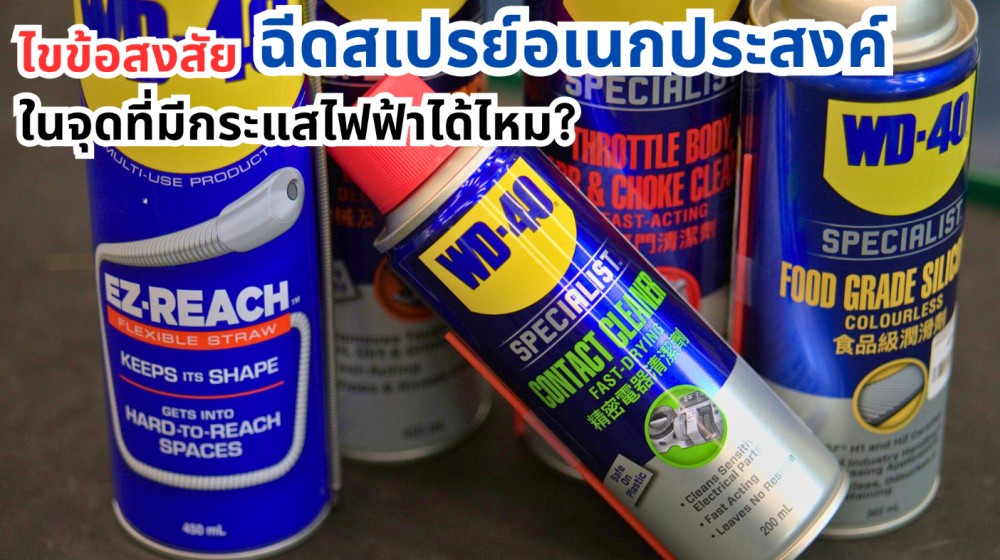
Using “multi-purpose spray” in electrical equipment repair or maintenance has become a major question for many. Most multi-purpose sprays are designed for versatile use—lubricating, displacing moisture, removing rust, and cleaning stubborn stains. However, hearing "electrical work" makes many worry about electric shocks or circuit damage. This article delves into the details, from the basics of multi-purpose sprays to proper, cautious usage, so you can work on electrical equipment with confidence, safety, and no risk of damage.
1. Understanding “Multi-Purpose Spray” and its Role in Electrical Work
1.1 What is a Multi-Purpose Spray?
A multipurpose spray (Multipurpose Lubricant / Multi-Use Spray) is an aerosol-packaged product containing a blend of various chemicals to provide comprehensive functionality in a single can. Key highlights include:
- Lubrication: Reduces friction between metal surfaces or various materials
- Moisture Displacement: Forces water out of connection points or damp surfaces
- Rust Removal & Protection: Breaks down existing rust and coats surfaces to prevent new rust from forming
- Penetrant: Penetrates into tight crevices, making seized rusted nuts or screws easier to loosen
- Clean stubborn stains (Cleaner): Such as grease, adhesive, stickers, or certain types of asphalt residue
With these properties, multipurpose sprays have truly earned their name as an "all-purpose" maintenance helper, which is why people often keep one at home, in the car, or in the technician's toolbox.
1.2 Why do questions arise about using it with electrical work?
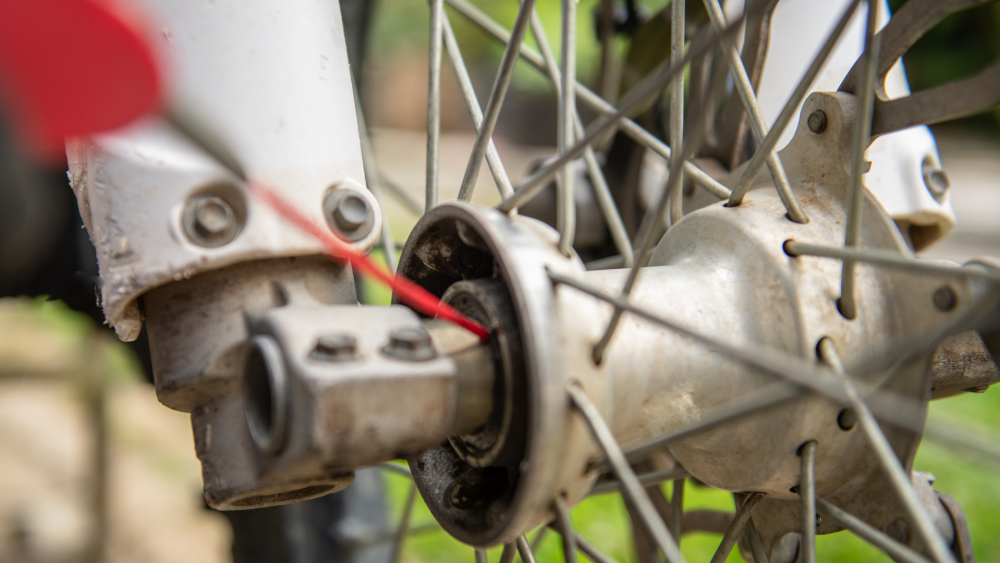
Electrical work involves risks of electric shock and short circuits. Many components are complex, such as electronic circuit boards or parts sensitive to corrosion and chemicals. Choosing the wrong substance or using it improperly can damage components or even lead to accidents.
Conversely, many multipurpose sprays feature "moisture displacement" properties, which is a major benefit since moisture is a primary cause of electrical equipment deterioration. Excessive moisture can trigger short circuits or cause terminals to corrode heavily, disrupting electrical current. Therefore, if you intend to use multipurpose spray in electrical applications, it is essential to understand the "correct usage" and the "limitations" of each formula.
2. "Can you spray multipurpose spray on electrical components?"
In short: "Yes, you can… BUT!" It must be applied with caution, taking several factors into account, such as:
1. Type of multipurpose spray
- Not every multipurpose spray formula is suitable for electrical work. Some formulas may contain very high amounts of oil or flammable substances, posing a fire risk or causing plastic components to melt.
- Some formulas are "non-conductive" or "dielectric" with high electrical insulating properties, making them suitable for maintaining electrical contact points.
2. Condition of the electrical equipment to be sprayed
- Always turn off the power supply first to reduce the risk of electric shock.
- It should be in a cool state, not extremely hot, and free of sparks in the area.
3. Evaporation time
- Many products require time for the solvents to evaporate before normal electrical operation can be restored.
Therefore, if you choose the right formula and follow the proper steps, spraying a "multi-purpose spray" on electrical components to displace moisture or perform maintenance is possible, but safety precautions must never be neglected.
3. Desirable properties of a "multi-purpose spray" for electrical work
3.1 Non-conductive
The most important property for a multi-purpose spray to be used in electrical work is that it must be non-conductive or have very low electrical conductivity (high dielectric strength) to prevent short circuits when sprayed onto connections where electric current may flow.
Note: Even though the original WD-40 Multi-Use formula can be used on electrical components to some extent for displacing moisture (the official WD-40 website states it can be sprayed on spark plugs or distributors), you must wait for the substance to evaporate and the odor to dissipate before powering up the circuit, as it contains some flammable components.
3.2 Heat Resistance
Certain electrical points, such as car spark plugs or engine connectors, may reach high temperatures. Choosing a multi-purpose spray with some heat resistance helps prevent the formula from degrading too quickly and reduces the risk of hazardous fumes or vapors.
3.3 Non-corrosive to plastic or rubber
Many electrical components contain plastics, rubber, or seals used to keep out water and dust. If a multi-purpose spray contains chemicals that corrode rubber or plastic, it may cause the equipment to deteriorate more quickly. Check the product label or technical data sheet to ensure it is "Safe on Plastic" or "Safe on Rubber".
3.4 True moisture-displacing formula
A key highlight of many multi-purpose spray brands is having molecules that can penetrate between water and metal surfaces, helping push moisture away from electrical contact points (Moisture Displacement) so the equipment can return to normal operation in a drier condition.
4. Precautions when using multi-purpose spray for electrical work
Using any product around electricity requires being "certain" that you know how to operate safely. Neglecting any step can jeopardize life and property.
4.1 Always disconnect power first
- Before spraying multi-purpose spray onto electrical terminals or contacts, always "turn off the power source".
- If it is a household plug or outlet, turn off the breaker in the consumer unit or clearly unplug it.
- In a car, you may disconnect the battery terminals or make sure the engine is completely shut off and in the "OFF" position.
This step is a way to reduce the risk of electric shock to both the user and the equipment itself.
4.2 Avoid areas with sparks or high heat
Many multi-purpose sprays contain flammable substances. Spraying in enclosed spaces with gas or sparks may cause a fire.
- In an engine bay where the engine is still very hot, wait for a while to let it cool down first.
- Do not spray near open flames or gas stoves.
4.3 Ventilation
Work in a well-ventilated area. Avoid enclosed spaces where spray vapors can accumulate to hazardous or dizzying levels.
4.4 Use an appropriate amount and wait for the chemical to evaporate
There is no need to spray excessively until it is soaking wet. Spray a thin coat covering the desired area, let the chemical work for a while (about 1-2 minutes), then wipe or let it dry, and wait for the odor to dissipate before reconnecting power.
5. Systematic steps for using multi-purpose spray with electrical components
To see the overall picture of what should be done first and next, use these "6 steps" as a guideline.
1. Turn off device / Disconnect power
- Unplug, switch off the breaker, or disconnect the battery terminals in a vehicle.
2. Preliminary cleaning
- Wipe away dust or large debris first so the multi-purpose spray can penetrate fully.
3. Choose the formula and shake the can
- Check the can label or manufacturer data to confirm it is suitable for use on electrical components.
- Shake the can for 10-15 seconds to mix the contents thoroughly
4. Spray onto the desired area
For holes or tight corners, use the included straw to help aim the spray
- Spray an appropriate amount; do not oversaturate
5. Allow the product to work
- To displace moisture, wait 1-2 minutes or until dry
- In some cases, reapplication may be needed if the area is very damp or heavily rusted
6. Inspect before turning on the power
- Wipe off excess liquid if it is too wet
- Wait for the odor to dissipate and the substance to evaporate
- Then turn on the circuit breaker or start the engine to check that everything is in order
6. Example situations where multi-purpose spray is often used with electrical components
6.1 Spark plugs or vehicle ignition systems
- A car failing to start after driving through floodwaters may be due to damp spark plugs
- A multi-purpose spray (such as WD-40 Multi-Use) can help "displace moisture" from spark plug terminals or ignition coils
- Disconnect the battery terminals first; spray in an open, well-ventilated area away from sparks
6.2 Electrical outlets or switches exposed to water
- Rain blowing in or accidentally spilling water into an outlet
- Unplug and turn off the circuit breaker
- Spray a "Non-conductive" multi-purpose spray to help displace moisture
- Wait until it is dry and free of residual chemical odors before turning on the power
6.3 Certain electrical equipment or motors that are damp/wet
- Water pump or fan motors exposed to rain
- It is necessary to disassemble accessible parts (consult a professional technician if unsure)
- Spray multi-purpose spray on connection points or bearings to lubricate and help reduce rust issues
6.4 Car battery terminals
- Terminals often rust or build up corrosion, obstructing electrical current flow
- After cleaning off stains and corrosion, multi-purpose spray can be applied to coat and protect against moisture
- The crucial point is to disconnect the battery terminals first and never spray near sparks

7. What "Multi-Purpose Spray" Cannot Do
Although multi-purpose spray appears to be an "all-purpose" product, its limitations should be understood:
1. Repair burned or damaged circuits
- If an electronic circuit board is burned or a chip is damaged, multi-purpose spray cannot restore it to working condition.
2. Clean completely free of any oil residue
- Formulas from many brands may leave behind a thin oil film, which is contrary to the requirements of certain devices (especially high-precision electrical contact points, such as terminals on computer circuit boards).
3. Permanently prevent electrical leakage or fix electrical system malfunctions
- If home wiring is damaged or the electrical system is compromised, multi-purpose spray does not address the root cause; circuit repair or component replacement is required.
8. Comparison of "Contact Cleaner" vs. "Multi-Purpose Spray" for Electrical Work
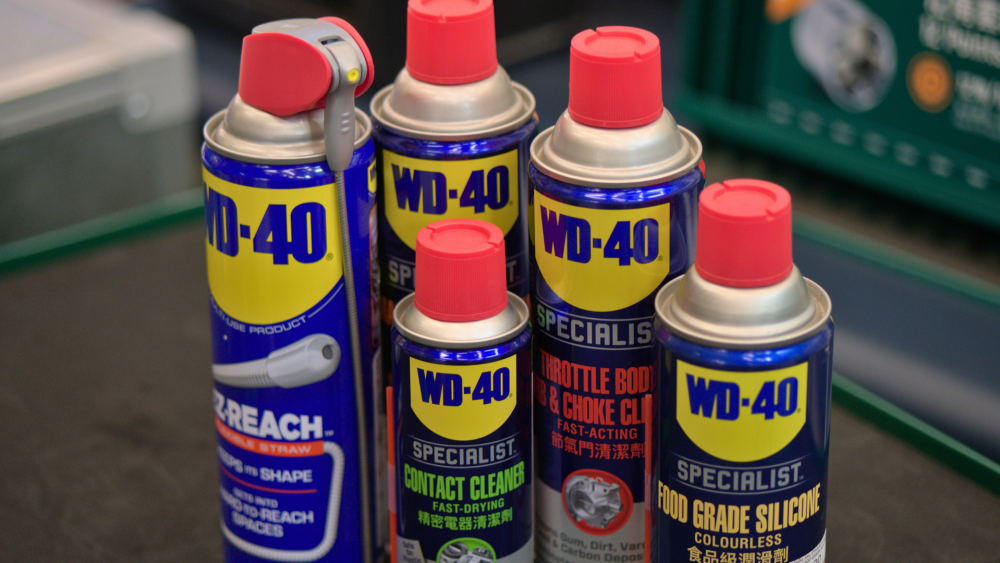
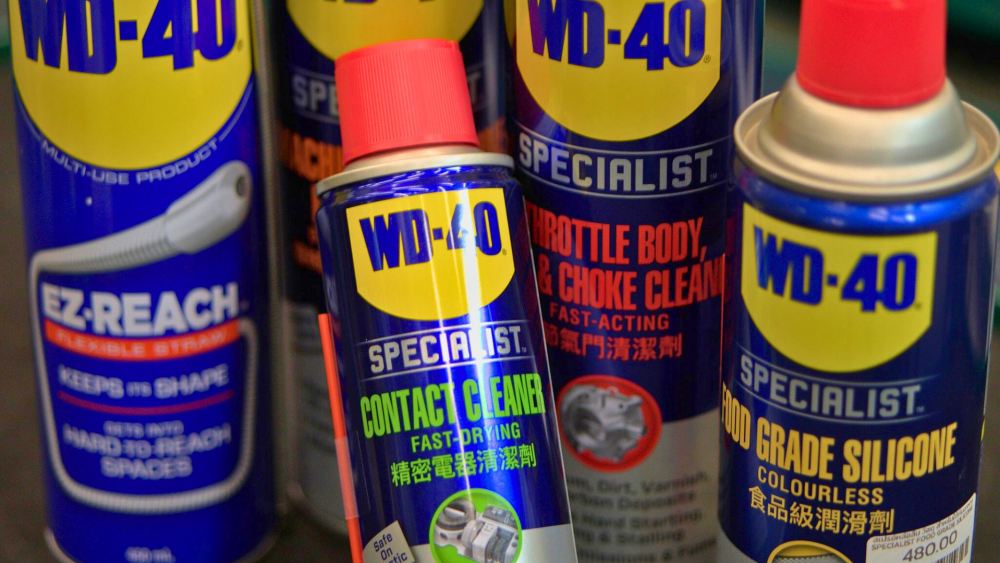
To provide a clearer picture, many people confuse "Contact Cleaner" (or electrical contact cleaner) with "Multi-Purpose Spray" regarding how they differ in use. For delicate electrical connection points, such as circuit boards or small connectors that require high cleanliness without leaving oil residue, "Contact Cleaner" is more suitable because:
- Evaporates quickly
- Leaves no oily residue
- Non-corrosive to electronic components
On the other hand, for tasks requiring "Moisture displacement + anti-rust coating + lubrication" such as on battery terminals, spark plugs, screws, or hand tools, multipurpose spray is more effective because it prevents rust and leaves an oily film that provides long-term moisture protection.
9. What should you do if sprayed incorrectly or unsure?
There are many cases where users accidentally spray multipurpose spray onto delicate electronic components, such as computer motherboards or contact points where no oil film should remain.
- Step 1: Disconnect the power or isolate the circuit first.
- Step 2: Use a microfiber cloth or cotton swab to gently wipe away the oil residue.
- Step 3: Allow it to air out until completely dry. If you are still concerned, you can use a Contact Cleaner spray to help remove any remaining oil residue.
If the device still behaves abnormally afterward, it is recommended to consult a qualified electrical or electronics technician. Do not force it to run for long periods, as this may cause further damage to the circuit.
10. Summary: "It can be sprayed", but you must choose the right formula and use it correctly
- Turn off power first: Reduces the risk of electric shock and accidents
- Choose the right spray for the job: Non-conductive, non-corrosive to plastics, genuinely moisture-displacing
- Use with caution: Spray moderately, wait for substances to evaporate, do not use near sparks or open flames
- Know the product limitations: Multi-purpose sprays may leave oil residues; for delicate electronics work, you should consider a "Contact Cleaner" instead.
- Store safely: Keep away from high heat, close the cap tightly, and keep out of reach of children.
If you follow these principles, using multi-purpose spray on electrical points or various electrical equipment can be extremely beneficial—such as quickly solving issues with damp spark plugs, cars not starting, wet electrical plugs, or rusted battery terminals, saving both time and costs that might otherwise be spent on spare parts or hiring a technician.
Conclusion
If you need to "specifically clean electrical contact points" without leaving oil residues, a Contact Cleaner is a more suitable option. However, if the job requires both rust prevention and long-term moisture displacement—such as for car spark plugs, battery terminals, or general electric motors—using a "multi-purpose spray" formulated for electrical applications can significantly reduce both time and expenses.
Therefore, the final conclusion is "yes, you can spray it"—provided you are properly prepared, understand the precautions, and select the right type of multi-purpose spray for the job. With this, maintaining electrical equipment will no longer be daunting, while also helping to extend tool life and effectively reduce nagging issues.