


 EN
 ไทย


Customers Also Purchased
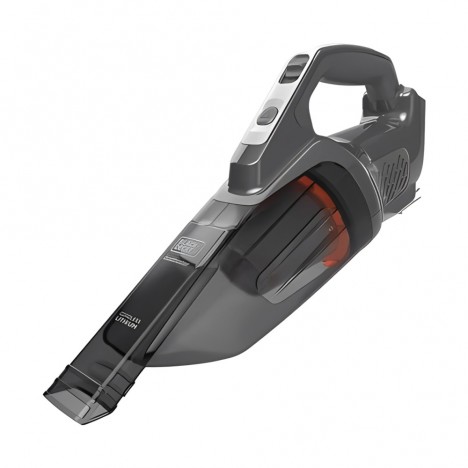
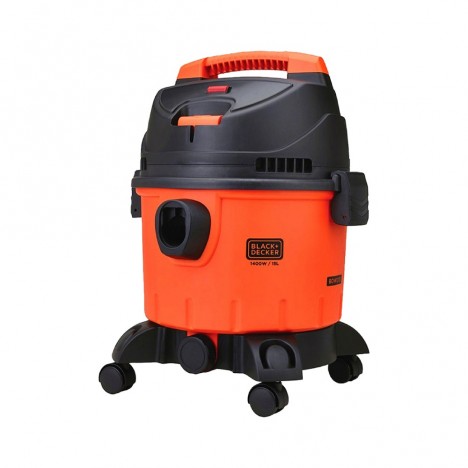
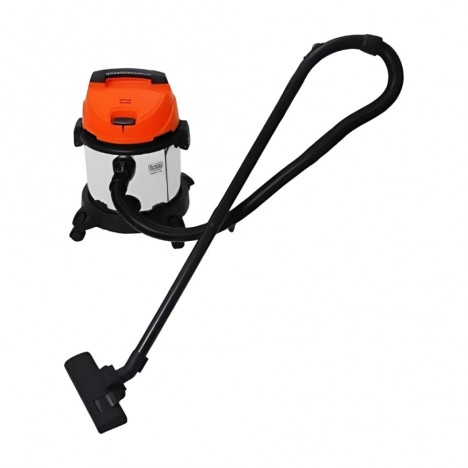


When talking about Cordless Vacuum Cleaner Most people might picture a small, lightweight electrical appliance that is portable and easy to use without being cluttered by long cords. However, there is one factor that many overlook when purchasing a cordless vacuum cleaner: the "dustbin capacity." This dustbin capacity is the very indicator of whether you will "love" or "be annoyed by" that cordless vacuum cleaner in the long run.
Especially nowadays, cordless vacuum cleaners have gained immense popularity primarily due to convenience, maneuverability, and saving storage space. The market offers a wide variety of brands and models, each with distinct highlights—from suction power and design to battery life and, of course, the "dustbin capacity" of each model. In this article, we'll take readers on a deeper dive into dustbin capacities of 250ml and 750ml in cordless vacuum cleaners to see how they truly differ, whether they affect our daily lifestyle (especially when vacuuming a house or condo), as well as future expenses, maintenance, and much more.
"Cordless Vacuum Cleaners" and Factors to Consider Before Buying
Before we dive specifically into dustbin capacity, what factors should we consider when buying a cordless vacuum cleaner to ensure the best value for money?
1. Suction Power
Suction power is a core feature that indicates how well or effectively a vacuum cleaner can perform. The higher the suction power, the better its ability to clean fine dust particles, pet hair, dirt, and sand. However, it often comes with a higher price tag and greater battery consumption.
2. Battery Type and Voltage
In the cordless vacuum cleaner market, brands like Makita may range from 12V, 18V, 36V, up to 40V, while Bosch, Milwaukee, and other brands offer their own lineups. The choice of battery voltage affects both "suction power" and "runtime per cycle," as well as battery price and compatibility with other power tools within the same platform.
3. Runtime per Charge
For home cleaning, having sufficient runtime on a cordless vacuum cleaner is crucial, especially for larger houses or multi-room setups. People generally dislike having to wait for the battery to recharge mid-cleaning because it disrupts the workflow and wastes time.
4. Weight and Ergonomics
The main advantages of a cordless vacuum cleaner are "light weight" and "maneuverability." If the machine is too heavy, you may feel fatigued after just a short time of use, or if the handle design is not ergonomic and comfortable, it can diminish the overall cleaning convenience.
5. Filter and dust filtration system
Vacuuming only for dust to be blown back out is no different from simply "moving dust from the floor to float in the air." Therefore, the dust filtration system (such as a HEPA Filter) is also an important factor to consider, especially if someone in the household has allergies.
6. Dust Capacity
The core of this article is the topic of "dust capacity," which determines how often you will need to "empty the dust" during cleaning. If the bin is too small and you have to vacuum a large house, having to empty it frequently might become frustrating. Conversely, if you live in a small condo, a bulky, large-capacity vacuum could be an unnecessary burden.

In-depth: 250ml capacity – compact, but do you really have to empty it that often?
1. Size and maneuverability
- General characteristics: Cordless vacuums with a 250ml bin often come in a compact design, are lighter (~1.0–1.3 kg), easy to carry, and suitable for small spaces.
- Spot cleaning: If you only need to clean up spills on the kitchen floor after cooking, tight crevices on an office desk, or use it in the car, a 250ml bin is a perfect fit.
2. Emptying frequency
- Emptied more often: With a capacity of just 250ml, vacuuming for only a few minutes could fill it up, especially if the area is very dirty or there is heavy pet hair shedding.
- Not an issue for small spaces: If you live in a condo or room of 20-30 sq.m., it may well be sufficient, and emptying the bin frequently is not considered a big hassle.
3. Long-term pros and cons
Advantages
- Easy to carry, saves space
- Starting price is usually lower
- Suitable for quick cleanups finished in a few minutes
Disadvantages
- Frequent emptying, and the bin and filter may need to be washed and cleaned regularly
- If you have a lot to vacuum or a large area, it can be frustrating to stop halfway through the job
In-depth: 750ml capacity – generous volume, but will the unit be much heavier?
1. Size and handling heavy-duty tasks
- Larger design: Cordless vacuums with a 750ml bin typically weigh around ~1.6–2.2 kg or slightly more, which is still light enough not to lose maneuverability, especially in models powered by 18V to 40V batteries.
- Suitable for families or larger homes: If you have a spacious home area (50–100 sq.m.), multiple bedrooms, or pets like dogs or cats that shed hair regularly, a 750ml dustbin capacity allows you to vacuum longer before needing to empty it.
2. "Continuous" runtime
- Finish in one go: Instead of having to stop every 5–10 minutes to empty the dust, using a cordless vacuum with a 750ml bin may allow you to clean an entire floor in one pass, depending also on battery capacity and suction power.
- Ideal for weekly cleaning: Many families bundle their chores for the weekend; having a larger dustbin saves a lot of time.
3. Long-term pros and cons
Advantages
- Less frequent emptying, collects more per session
- Suction power and air pressure are usually higher (accommodates larger batteries)
- Suitable for homes with pets or large families
Disadvantages
- Larger size, may take up slightly more storage space
- Heavier, not as nimble as smaller bins
- Higher price according to specs (suction power + battery)

Comparison table: 250ml vs 750ml dustbin capacity
| Details | 250ml dustbin | 750ml dustbin |
| Average machine size | Small (~1.0–1.3 kg) | Large (~1.6–2.2 kg) |
| Frequency of emptying dust | Frequent (possibly every 5–10 minutes) | Takes longer to fill (30+ minutes) |
| Suitable for areas | Condo / Dorm / Small office | Detached house / Shop / Large family |
| Pet owners (e.g., dogs, cats) | Not suitable, due to high volume of pet hair and dust | Better suited |
| Price | Usually cheaper | Usually higher |
| Portability | Easy to carry, extremely agile | Portable, but larger in size |
Real User Experiences (Online Reviews)
1. Reviews from Pantip
“We bought the Makita model CL108FDZW, which has a dust capacity of around 600ml (medium size), to use in a 30 sq.m. condo. We still have to empty the dust after cleaning, but it doesn't bother us since the area isn't very large, so we're quite satisfied. However, our friend who has two dogs said that a 600ml bin is still not enough; they had to move up to a larger 750ml bin because there is so much dog hair that it fills up in no time.”
2. Reviews from Lazada / Shopee
- “With a 250ml bin, moving from the bedroom to the next room already fills it up. But since the machine is lightweight, I think it's great for women who don't want to carry heavy things. Beginners just need to understand that a small dustbin really is meant for light tasks.”
- “We have long-haired cats, and let me tell you, with the 750ml bin, we still feel the need to empty it in between cleaning sometimes. If it were a 250ml bin, we'd probably have to empty it constantly or clean way too frequently.”
Other Factors Related to Dust Capacity
1. Filter and Maintenance
- Whether it is a large or small dustbin, you should regularly wash or replace the filter according to the manufacturer's schedule, because cordless vacuum cleaners perform at their best only when the filter is not clogged.
- Some models feature HEPA filters, which are ideal for people with allergies or those who want to prevent dust from dispersing, though they may require a higher investment for replacements.
2. Runtime
- Some large-capacity models may use 18V or 40V batteries, which provide high suction power for heavy-duty use, but they also consume more battery power. If used in maximum suction mode (Turbo Mode), the runtime may be reduced.
- Small-capacity models often use smaller batteries as well (such as 12V), so they may not be intended for continuous long-duration vacuuming, but they are sufficient for small tasks.
3. Price and Value for Money
- Small-capacity vacuums usually come at a lower budget, such as 1,500 – 3,000 THB for general models or 3,000 – 5,000 THB for leading brands (for tool only (no battery) purchases).
- Large-capacity vacuums can go up to 5,000 – 8,000 THB or more, especially for brands that share battery platforms with other power tools.
4. Time and Energy Savings
- If you need to vacuum an area of 50 sq.m. or more and lack the time or patience to empty the bin frequently, investing in a large capacity seems to be the better choice because it saves time during work.
- For those who like to clean daily but don't want to vacuum for long periods at a time, a small capacity may be a better fit since it is easy to grab, lightweight, and maneuverable.

Simple Ways to Choose Between 250ml and 750ml
1. Assess Your Floor Area
- If the area is under ~40 sq.m., or for dorm rooms and small condos, 250ml might be sufficient.
- If it exceeds 40 sq.m., 750ml is recommended for convenience.
2. Do You Have Pets?
- If you have pets with lots of shedding hair, a large capacity saves a lot of time emptying dust.
3. Number of Household Members
- The more people there are (along with young children or the elderly), the dirtier the space and the heavier the usage, requiring a larger capacity.
4. Cleaning Frequency
- Some people clean every day but not for very long—under 10 minutes each time—where a small capacity might be enough.
- If you clean all at once every week or every two weeks, the floors may be quite dirty, so you should use a large capacity.
5. Budget
- Large-capacity models are mostly higher in price for both the tool and the battery. If you have a very limited budget, a small dust canister might be a good starting point.
Overall Summary: Differences and Real-World Results
To put it simply, if you "live alone or in a small condo" and "don't need to vacuum for long periods" because the space isn't huge, a 250ml canister may already be enough. The machine will be lightweight, easy to carry, and budget-friendly. But if you have a large house, young children, elderly members, or pets that shed a lot of hair, a 750ml canister is a better choice because you won't have to stop cleaning halfway through to empty the dust repeatedly. Additionally, it often comes with functions and suction power superior to smaller models (due to pairing with higher-voltage batteries).
The decision also depends on usage habits and personal "tolerance." Some people don't mind emptying the dust container frequently because the lid may be easy to open without dirtying their hands. Meanwhile, others consider this a major hassle and find it necessary to upsize the canister right away.
Conclusion: Choosing the Right Match for Your Lifestyle Makes Your "Cordless Vacuum Cleaner" Your Best Companion
“Cordless Vacuum Cleaner" is another great assistant that will make house cleaning extremely easy and time-saving. However, to get the best value, you need to consider various factors such as house size, number of family members, pet ownership, budget, suction power, and of course – the appropriate dust canister capacity.
- If you live in a condo or small home, use it infrequently, and want a lightweight, economical machine → A 250ml canister meets your needs
- If you have a large family, wide spaces, heavy-shedding pets, or dislike stopping to empty dust during cleaning → A 750ml canister is the answer
Whichever canister size you choose, you should look for additional reviews (such as from Pantip, Facebook Groups, YouTube) to see real user experiences, because even with the same capacity, designs and suction power can still vary between models. Crucially, don't forget to check the warranty, service centers, and battery compatibility—if you already own power tools from the same brand, you might save on battery costs as well.