


 EN
 ไทย


Customers Also Purchased


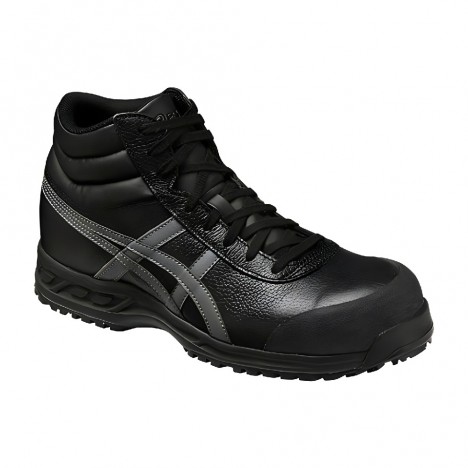
Safety Shoe or safety shoes are personal protective equipment (PPE) designed to reduce the risk of foot injuries, which may result from falling heavy objects, stepping on sharp items, slippery surfaces, or even electrical leaks—especially in high-risk jobs such as construction, factory manufacturing, mechanical work, mining, or other heavy industrial areas.
Despite being widely used equipment and typically included in essential safety gear checklists, in reality, there are many misconceptions regarding safety shoes—in terms of usage, construction, manufacturing standards, as well as necessity in various situations. These misunderstandings can lead to selecting inappropriate safety shoes, which may reduce protective performance or, worse, unknowingly cause hazards.
All safety shoes are the same
Many people assume that simply buying a pair of safety shoes makes them suitable for all types of work. But in reality, safety shoes are distinctly designed for different environments and applications. Generally, the European standard EN ISO 20345 categorizes safety shoes into several ratings, each with specific features:
- S1: Suitable for dry work areas such as general indoor factories. Features slip-resistant soles, impact-resistant steel toe caps, and heel energy absorption, but is not water-resistant.
- S2: Possesses the same features as S1, but with added water-resistant upper material. Ideal for jobs with occasional exposure to water or liquids, such as food manufacturing or warehouse work.
- S3: Safety shoes suited for heavy-duty work or outdoor environments like construction sites. In addition to S2 features, they have a puncture-resistant midsole plate against sharp objects below, such as nails or scrap metal.
There are also other types, such as S1P for dry areas requiring puncture resistance, and S5 for high-water environments like plumbing or drainage work.
Choosing safety shoes that do not match the job requirements—such as wearing S1 shoes on a construction site with sharp debris or wet floors—can significantly increase the risk of injury and accidents. Therefore, understanding and selecting the right shoes for your specific type of work is extremely crucial.


Steel toe caps in safety shoes might crush your foot if hit by a heavy falling object
Some believe that if a heavy object falls onto the steel toe cap of a safety shoe, the cap will fail or collapse and crush the toes, fracturing bones. This belief creates fear for many, especially those wearing safety shoes for the first time. However, this misconception does not align with engineering realities and safety testing.
Certified safety shoes, such as those meeting European standard EN ISO 20345 or Thai TIS standards, must pass toe cap impact tests at specified weights and velocities. The EN ISO 20345 standard specifies that the toe cap must withstand an impact of at least 200 Joules—equivalent to an object weighing over 20 kg dropped from approximately 1 meter—without the steel structure collapsing or cracking in a way that endangers the wearer.
Moreover, the manufacturing process of safety shoes incorporates compression resistance testing up to 15,000 Newtons—equivalent to being run over by a car—without causing foot injuries. If the product truly meets safety standards, the steel toe cap will not easily fail; instead, it effectively disperses the impact away from the toes, preventing far more severe injuries compared to wearing regular shoes without any protection.
Safety shoes only refer to steel-toe shoes
Although the steel toe is widely recognized as the symbol of safety shoes, safety shoes are now developed and manufactured with various toe cap materials—not limited to steel. In particular, the "Composite Toe," made from composite materials such as special plastics, fiberglass, or carbon fiber, offers lightweight, high strength, non-conductive, and non-sparking properties.
Composite toe caps are therefore ideal for electrical-related work, such as electrical installations, electronics work, or in areas with magnetic field restrictions like airports or electronic parts manufacturing plants. They are also suitable for individuals who frequently pass through metal detectors, such as airport personnel or warehouse workers.
Safety shoes also feature other capabilities that enhance safety and comfort, such as:
- Puncture-resistant soles: Utilizing steel or composite plates under the foot to protect against sharp objects piercing through, such as nails.
- Slip-resistant soles: Featuring special tread patterns and anti-slip materials to improve traction on wet or slippery surfaces.
- Chemical resistance: Some models are made from materials that do not react with chemicals such as oil, acids, or alkalis, making them ideal for work in laboratories, chemical plants, or gas stations.
- Oil resistance: Soles do not deteriorate when exposed to oil, suitable for automotive mechanics or heavy industrial plants.
In addition, there are mid-cut or boot-style safety shoes for ankle and shin protection, as well as models with ventilation systems to enhance all-day wearing comfort.
Safety shoes cause foot pain and discomfort
Older safety shoe models could be uncomfortable, heavy, poorly ventilated, or rigid, leading many to believe that all safety shoes cause fatigue and are unsuitable for continuous all-day wear—especially for jobs requiring extended walking or standing, such as warehouse work, factory inspection, or field construction.
However, modern safety shoes are continuously being developed, both in terms of ergonomic design and the selection of materials that effectively absorb shocks and support weight. Popular materials include PU (Polyurethane) and EVA (Ethylene Vinyl Acetate) soles, which offer excellent flexibility, are lightweight, and absorb impact very well. Additionally, they are enhanced with extra-soft insoles, available in both removable and permanent options, to fit individual foot contours.
Some models also come with additional features that enhance comfort during use
- Shock Absorption: An impact reduction system in the heel area that helps reduce aches and fatigue when standing or walking for long periods.
- Anti-Fatigue Technology: Outsole technology that evenly distributes pressure, reducing muscle fatigue in the legs and back.
- Air Circulation System: An internal shoe ventilation system that keeps feet cool, dry, and free of stuffiness, reducing the chance of unpleasant odors.
Furthermore, some safety shoe brands are designed with stylish, modern shapes resembling sneakers or sports shoes, allowing them to be worn with confidence both at work and in daily life.

Safety shoes are unnecessary for light-duty or office work
Accidents can occur anywhere, not just on construction sites or in heavy industrial areas. Even in an office or administrative department situated near operational areas, there are risks that should not be overlooked, as unforeseen incidents can happen at any time and in seemingly safe spaces.
For example, employees who need to walk into factory areas to coordinate work or deliver documents, even for just a few minutes, may encounter the following during that short period:
- Slippery floors caused by oil spills or spilled liquids.
- Construction debris, metal scraps, or cargo boxes falling unexpectedly.
- Tripping over cluttered power cords or hand tools
- Uneven surfaces that can cause twisted ankles or minor but chronic injuries
- Sharp objects puncturing through regular shoe soles
For this reason, many organizations enforce strict safety policies requiring all employees who may enter work areas—whether temporarily or permanently—to wear safety shoes at all times to prevent unexpected accidents. In addition to reducing the risk of injury, this reflects an organizational culture that prioritizes safety above all else.
Safety shoes are too expensive and not worth the cost
Some people choose cheap safety shoes, focusing only on short-term savings without considering the materials used, manufacturing standards, or safety certifications from trusted institutions. Such shoes are often made from low-quality materials like synthetic leather or thin plastic, lack puncture-resistant plates in the soles, and offer no anti-slip or anti-static properties. As a result, they wear out quickly, tear easily, or provide poor shock absorption. This is not only unsafe but also leads to frequent replacements, making it more wasteful and costly in the long run.
On the other hand, quality safety shoes, although higher in price, are made from highly durable materials such as genuine leather, PU soles, or nitrile rubber, and are certified under international standards such as EN ISO 20345, ASTM F2413, or TIS. This means these products have been thoroughly tested for impact resistance, compression, puncture resistance, and slip resistance, allowing them to last for years without the need for frequent replacement.
In addition, investing in standardized safety shoes reduces the risk of accidents such as falling objects crushing feet, broken toe bones, twisted feet, or slips and falls. These can lead to high medical bills, lost income from missed work, or even lawsuits in the event of workplace accidents. For business owners, providing good safety shoes for employees also reflects a corporate image that genuinely cares about safety.

Wearing safety shoes only when inspectors visit is enough
Many organizations face a "wear for show" problem, where employees only put on safety shoes when clients, executives, or safety inspection teams visit the site. On regular workdays, however, they fail to comply with safety requirements consistently. This behavior not only demonstrates a lack of safety awareness, but also makes the organization's safety measures merely a superficial facade rather than a genuine corporate culture.
In reality, accidents can happen at any time, anywhere, without warning. If employees neglect wearing safety shoes on normal days, even for a moment, unexpected incidents can occur—such as objects dropping on feet, punctures from sharp debris, or slippery floors causing severe falls and injuries. Not wearing safety shoes in such situations is considered negligence of one's own safety and can negatively affect job responsibilities.
Safety shoes are an investment in our own safety, not a burden or mere attire to show off on special occasions. They should be essential personal protective equipment that everyone values and makes a daily habit of wearing in hazardous areas. Safety is not about appearances; it is about protecting our lives and health over the long term.
How to choose and use safety shoes properly and cost-effectively
Choosing and using safety shoes should not be based solely on price or appearance, but should also take into account job suitability, safety standards, and overall comfort.
Basic Selection Guidelines
- Check shoe safety standards, such as EN ISO 20345 or TIS
- Select according to job requirements (S1, S2, S3, etc.)
- Try them on before buying, if possible
- Consider trusted brands with positive reviews