


 EN
 ไทย


Customers Also Purchased

Getting to Know Both Types of Hearing Protection Devices
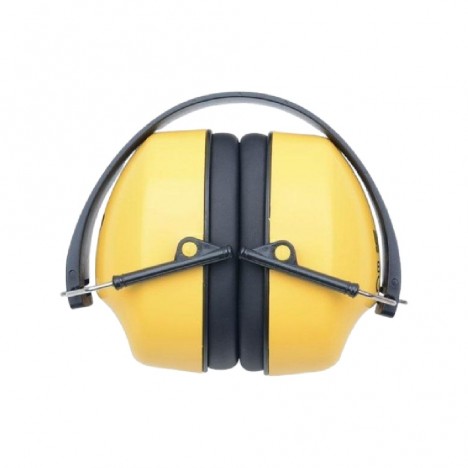
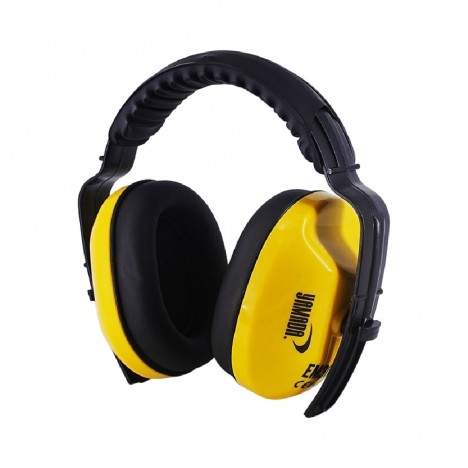
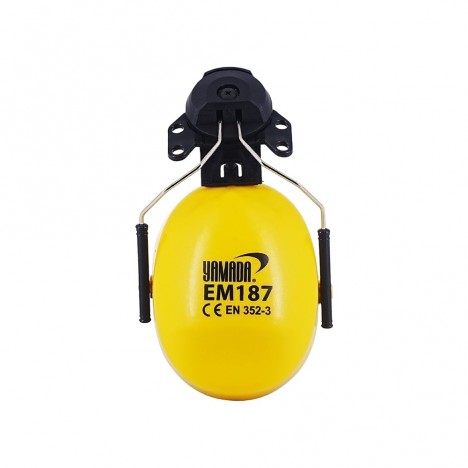
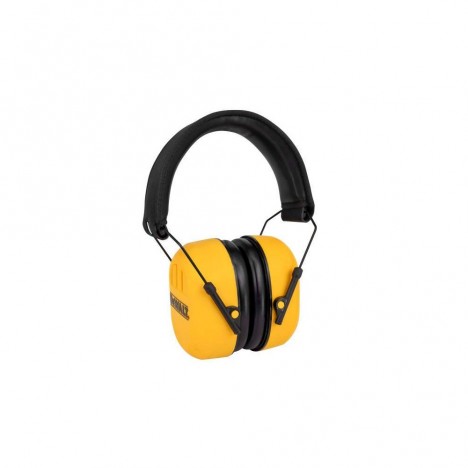
Earmuffs

Pros
- Earmuffs are convenient to wear without making contact inside the ear canal, making them ideal for users with skin conditions or those who prefer not to insert foreign objects directly into the ear canal.
- Suitable for continuous use over long hours, such as factory work, field operations, or outdoor activities with all-day noise exposure, without causing irritation or a feeling of ear fullness.
- Widely available with various models to choose from based on the NRR (Noise Reduction Rating)—from basic models for light-duty tasks to industrial-grade and electronic models featuring advanced functions like speech amplification or Bluetooth connectivity for use with two-way radios and other communication devices.
Limitations
- Bulky and not as portable as earplugs, especially when traveling for off-site work or carrying multiple items in limited spaces, such as a tool bag or shoulder bag.
- May cause stuffiness or moisture buildup if worn in hot environments or for extended periods. Because they cover the entire ear, ventilation is limited. Especially in hot and humid weather or during several consecutive hours of use, this can cause discomfort, sweating, or skin irritation around the ears.
Earplugs
Small devices designed to be inserted directly into the ear canal. Made from flexible, soft materials such as extra-soft compressed foam, silicone rubber, or specialized materials that can be compressed small before slowly expanding inside the ear canal to form a snug seal against its walls. Earplugs come in various shapes—such as bullet, Christmas tree (flanged), or mushroom—to fit different ear anatomies.
Earplugs are ideal for those who need high mobility, short-term use, or work in spaces where bulky earmuffs cannot be worn—such as during air travel, sleeping in noisy rooms, or working in confined areas requiring hard hats or other head protection. Earplugs are thus a convenient, highly effective noise-reduction choice when used properly.

Pros
- Easy to carry and lightweight. They can be slipped into a shirt pocket or small pouch without getting in the way, making them ideal for users on the move.
- Fits snugly inside the ear canal, providing excellent noise reduction—especially in high-frequency ranges like concrete drilling, engine noise, or concert speakers. Maximum NRR performance depends on inserting them correctly to achieve an optimal seal.
- Suitable for temporary use, such as attending concerts, long bus rides, sleeping in loud environments, or meditating, where continuous quiet without bulkiness or distraction is desired.
Limitations
- Must be inserted properly into the ear; otherwise, efficiency drops significantly. In particular, failing to roll down foam plugs or not inserting them deeply enough against the canal wall allows sound to leak in. This is why many users mistakenly think the product doesn't work, when it is actually due to improper fitting.
- Not suitable for individuals with ear issues, such as otitis externa, sensitive canal skin, infections, or recent ear surgery, as inserting earplugs may cause irritation, increase infection risks, or delay wound healing. Consult a doctor before use.
Feature-by-Feature Comparison
Noise Reduction Performance
- Earmuffs: Have an average NRR of around 20-30 dB, effectively lowering hazardous noise to safe levels. High-quality models reliably protect against loud noises from heavy machinery, drilling, firearms, or airports. Models with sturdy builds and high-density foam further enhance sound absorption, especially for low-to-mid frequencies commonly found in factories and industrial environments.
- Earplugs: Some models offer slightly higher NRR ratings, especially those made from dense specialized materials or ergonomically shaped—such as memory foam or industrial-grade silicone, which can reduce noise by up to 33 dB. Ideal for high noise attenuation while remaining lightweight and mobile. However, proper insertion is essential—rolling them small and carefully inserting them deep enough to expand and form a complete seal. Improper fit can significantly reduce protection.
Ease of Wearing
- Earmuffs: Easy to put on and take off, ideal for frequent, intermittent use. Since they don't enter the ear canal, they reduce the risk of infection or irritation, especially for users with sensitive skin. Simply place them over the ears and adjust the headband for an instant, secure fit. They can be reused indefinitely without performance loss and are perfect when wearing gloves or when hands are dirty.
- Earplugs: Require rolling down small, inserting correctly into the canal, and waiting for the material to expand and seal against the ear canal wall for effective noise blocking. Fitting requires some practice, especially for beginners unsure of depth or positioning. However, once fitted correctly, earplugs feel much lighter than earmuffs, with no pressure on the head, allowing long wear without bulk.

Long-Term Comfort
- Earmuffs: May cause heat buildup, stuffiness, or clamping pressure on the head and ears during extended wear. In hot, humid, or poorly ventilated spaces, trapped sweat and moisture can cause discomfort, redness, or skin irritation around the ears. Choosing models with breathable cushions or taking periodic breaks is recommended.
- Earplugs: Lightweight, zero clamping pressure on the head, and generally offer greater comfort during long sessions—perfect for uninterrupted quiet. However, users with sensitive canal skin or material allergies may experience irritation, ear soreness, or inflammation from extended wear. Choose suitable materials, like ultra-soft silicone or medical-grade foam, and take breaks if discomfort occurs.
Durability and Maintenance
- Earmuffs: Long-lasting thanks to sturdy construction and high-quality materials, such as extra-thick foam or sound-absorbing gel that withstands long-term use. Maintenance is easy—simply wipe the foam cushions, earcups, and surrounding frame with a damp cloth. Avoid using harsh chemicals or soaking them in water to prevent damage to the internal materials. Clean them regularly, especially after use in dusty or sweaty environments. If the foam begins to harden or tear, replace it immediately to maintain noise reduction performance.
- Earplugs: Disposable models should be replaced after every use, as the foam easily loses its shape and accumulates germs. Reusable models made of silicone or washable materials can be used multiple times with proper care. Clean them with mild soapy water and let them dry completely before storing them in a clean, dry case. Avoid storing in hot and humid places, and replace them every 2–4 weeks or whenever there are signs of deterioration, such as reduced elasticity or buildup of residue.
Conclusion
Both earmuffs and earplugs have their own unique advantages. Choosing the right device depends on your purpose, nature of use, and personal comfort. If you prioritize long-term hearing health, choosing the right high-quality protection is the smartest and most worthwhile investment.