


 EN
 ไทย


Customers Also Purchased
Homestays situated in natural settings—such as on mountains, along rivers, or in remote countryside—are surging in popularity among tourists seeking a unique, quiet, and truly relaxing escape. Experiencing fresh air, butHowever, a major obstacle to running a homestay in remote areas is the lack of electricity or being located too far from the reach of the electrical grid. A lack of power not only impacts basic guest comfort, but it also harms the overall image and credibility of the homestay, especially nowadays when travelers expect both tranquility and convenience.
Problems and Challenges of Off-Grid Homestays
Service Inconveniences
Brand Image and Guest Experience
Guest Safety
Approaches to Installing an Electrical System in an Off-Grid Homestay
Assess Electricity Consumption Demands
Allow Load Margin and Plan Power Distribution
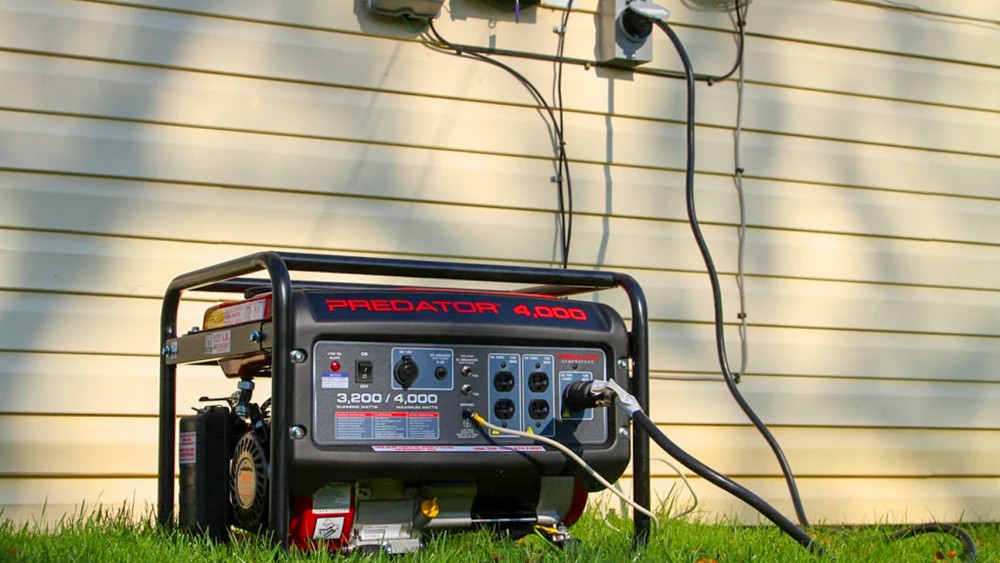
Getting to Know Generators for Homestays
What is a Generator?
Types of Generators Suitable for Homestays
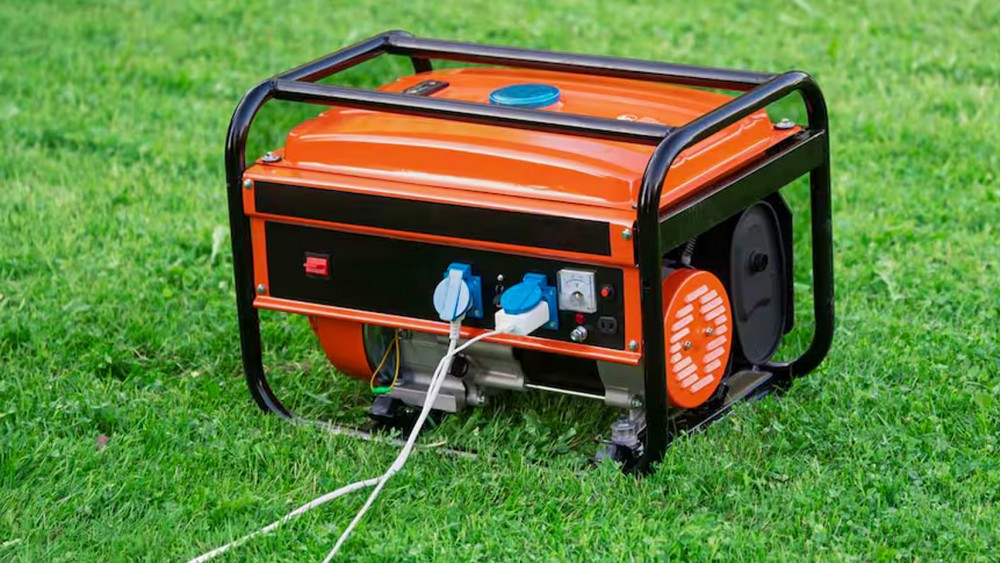
- Gasoline Generators – Ideal for small homestays with low electricity usage, such as powering only light bulbs, fans, small refrigerators, or charging devices. These generators are typically compact, lightweight, easy to move, and affordable, making them suitable for startup operators or those on a budget. They can also effectively serve as emergency backup units if the main power system fails. Generally, gasoline generators are best suited for running no more than 4-5 hours per session due to smaller fuel tanks and less durability compared to diesel units; however, they offer the advantages of relatively quiet operation and easy starting, perfect for general use in peaceful surroundings.
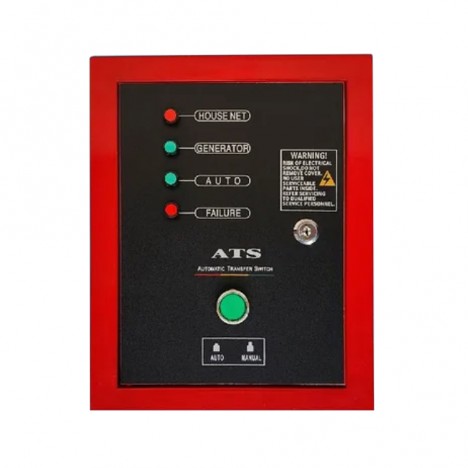
- Diesel Generators – Ideal for continuous heavy-duty use, such as multi-unit homestays or medium-to-large resorts. These generators usually offer higher power output than gasoline models and can supply continuous power for many hours. They are suitable for homestays that operate all day and host many guests, especially during peak times when multiple units draw power simultaneously for air conditioners, refrigerators, water heaters, or kitchen equipment. The advantages of diesel generators include a long operating life and durable construction suited for outdoor environments or fluctuating weather conditions. They also integrate easily with automatic control systems, such as an ATS (Automatic Transfer Switch) for emergency power transfer. Points to consider include their louder noise levels compared to gasoline models and heavier weight, which may require careful installation planning—ideally by building an equipment shed or soundproof enclosure to prevent disturbing the guest experience.
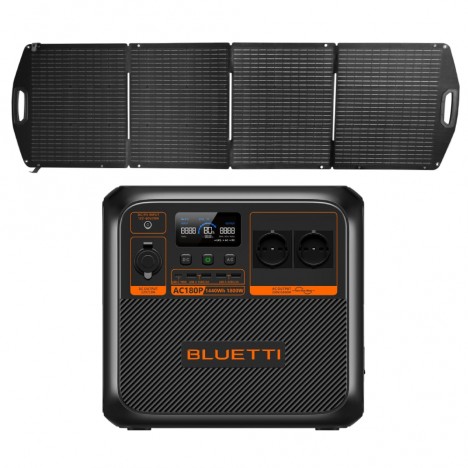
- Inverter Generators – Ideal for locations requiring quiet operation, clean power, and energy efficiency. These generators use inverter technology to regulate electrical current, producing highly stable electricity without power surges—making them exceptionally well-suited for sensitive electronics like TVs, computers, or various battery chargers. Another advantage is their lower noise level compared to standard generators, making them ideal for homestays emphasizing a peaceful atmosphere, such as wellness retreats or nature-based homestays where guests should not be disturbed by engine noise. Inverter generators are usually compact, run on gasoline, and offer high fuel efficiency, making them well-suited for short-term use or as a backup unit for solar power systems.
Features to Look for in a Generator
- Power capacity (kW or kVA) suitable for the load: You should choose a generator with a power capacity about 20-30% higher than the homestay's total load to allow for simultaneous use across multiple points and to support future business expansion.
- Noise Reduction: A generator with a built-in sound dampening system or a Silent Type structure is ideal for homestays focusing on a tranquil atmosphere, reducing noise so guests can fully relax.
- Large fuel tank for long-term use: A fuel tank capable of supporting 8-12 hours of continuous operation helps eliminate frequent refueling and is suitable for all-day use or during periods of full occupancy.
- Automatic shut-off system for overloads or low fuel: Enhances safety for the homestay's electrical system by preventing potential damage to electrical appliances and reducing the risk of electrical accidents.
- Portability and mobility: For homestays hosting outdoor activities or located in mountainous terrain, choosing a generator with transport wheels or a frame designed for easy relocation will provide greater flexibility and mobility.
How to calculate power capacity for a homestay
Sample load calculation per cottage
- 5 LED bulbs = 50W
- 1 fan = 50W
- TV = 100W
- Refrigerator = 150W
- Shared water pump = 300W (shared among multiple cottages)
Total 650W + 30% safety margin = approximately 850W per cottage For 5 cottages: 850W x 5 = 4,250W or approximately 4.25kW Should choose a generator with a capacity of 5kW or more
> What is the difference between kVA and kW in a generator?
Tips for installing and operating a generator
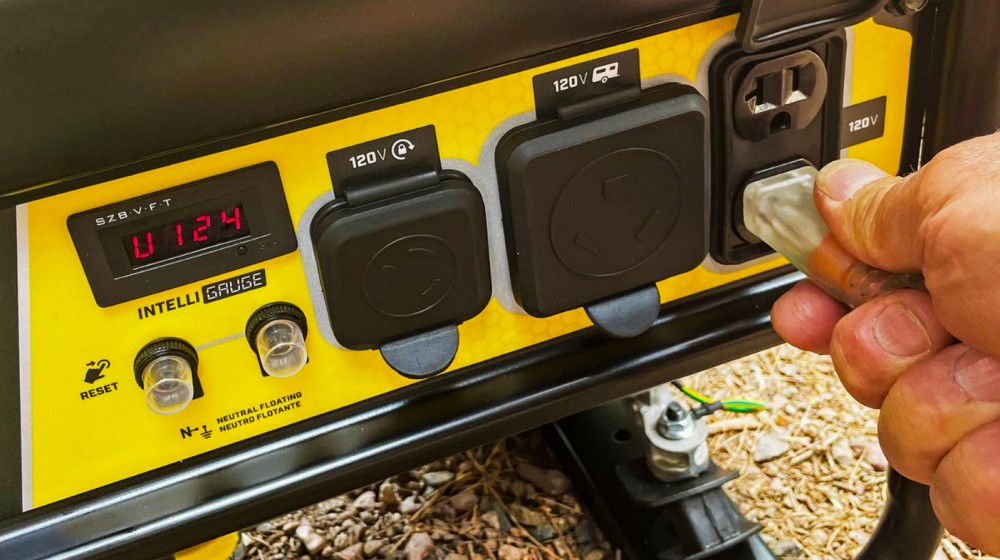
Place in a safe, well-ventilated location
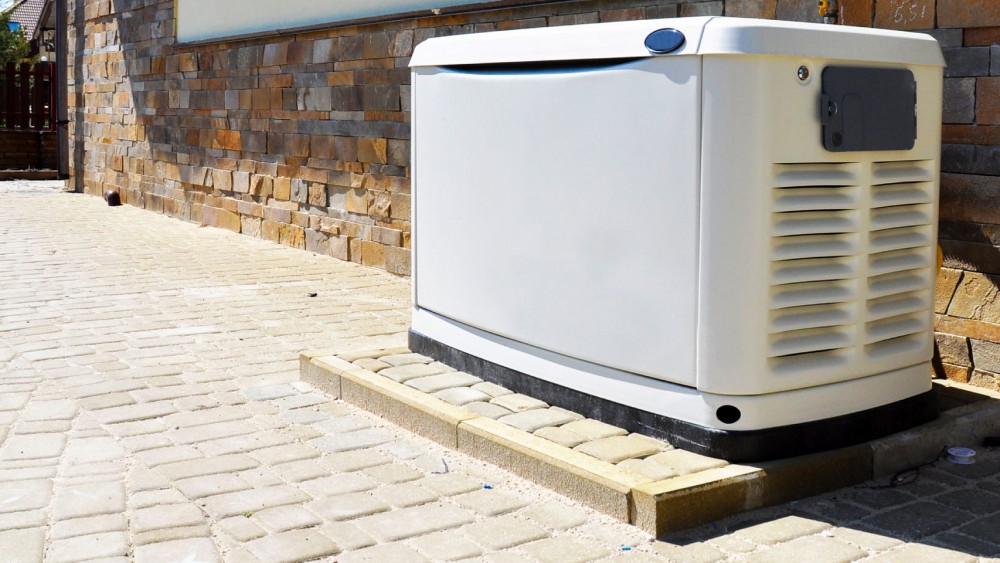
Avoid placing in enclosed rooms or near guest rooms, as generators emit exhaust fumes and carbon monoxide that can directly endanger the health and life of guests. They should be installed in an open, well-ventilated outdoor area, such as behind buildings or in corners at least 5 meters away from living spaces. An awning or rain cover box designed with ventilation slots should also be provided to protect the unit from moisture, dust, and rain. At the same time, ensure sufficient clearance for technicians or staff to easily access, inspect, and maintain the generator. Additionally, it is recommended to mount the generator on an elevated base above the ground to prevent waterlogging and to minimize echo or vibrations transmitting to guest accommodations.
Have wiring installed by a qualified professional
The system should include a backfeed breaker to prevent backfeeding power into the generator or main grid system, which could cause damage to both the equipment and users. Additionally, proper grounding must be installed, connecting the metal frame of the machine and the internal electrical system to prevent stray electrical currents that could cause electric shocks or fires. Ground wiring should be properly connected to a ground rod driven to an adequate depth for maximum efficiency.
Another indispensable component is a surge protector or overvoltage protection device, which filters power and safeguards against voltage surges from the generator that may occur when the generator starts or stops abruptly. This is particularly crucial when used with sensitive electronic equipment such as TVs, computers, or CCTV systems. All of these measures enhance the overall electrical safety of the homestay and mitigate the risk of property damage or danger to guests.
Timer or Automated System
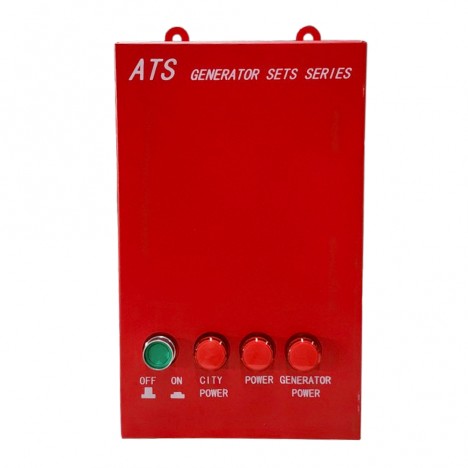
If you want your homestay's electrical system to run continuously without relying on manual operation during power outages or for nighttime power needs, installing an ATS (Automatic Transfer Switch) is an ideal solution. An ATS detects the status of the primary power source (such as the main grid or solar panels) and automatically commands the generator to start when the primary power source fails, seamlessly transferring power to the homestay's system.
Conversely, once power from the primary source returns to normal, the ATS will signal the generator to stop and automatically switch back to the main power source. This reduces the business owner's burden of manually monitoring and operating the equipment, while also eliminating the risk of leaving the homestay in the dark for too long. It is therefore ideal for homestays that require a reliable electrical supply or offer 24-hour service.
Conclusion
Running a homestay without main grid electricity is no longer an obstacle. With properly designed electrical wiring and the right generator to meet your demands, your homestay can operate at peak performance in terms of convenience, safety, and guest satisfaction. Choosing a generator with adequate power output, quiet operation, and fuel efficiency will genuinely elevate the value and charm of your homestay.