


 EN
 ไทย


Customers Also Purchased
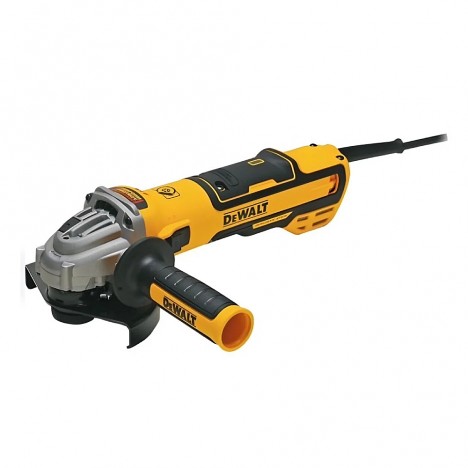
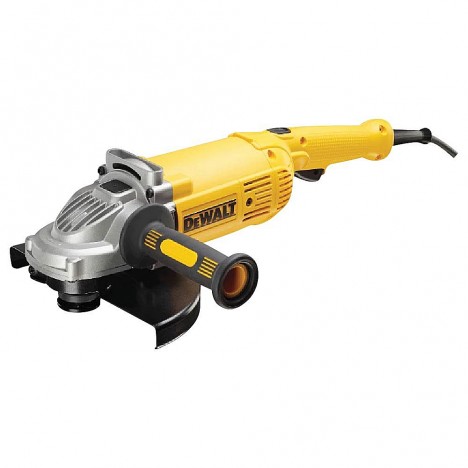

Choosing an angle grinder for metal welding involves various factors to consider. Understanding these factors will help you select the most suitable tool. In this article, we will look at the key factors to consider when choosing to buy an angle grinder for metal welding.
Key Factors in Choosing an Angle Grinder for Metal Welding
Choosing the right angle grinder for metal welding is not just about selecting the size of the tool; it also requires considering various factors that affect performance, ease of use, and user safety. A good angle grinder will help ensure smooth weld grinding, reduce working time, and enhance workpiece quality.
1. Wattage and Torque of the Angle Grinder
An angle grinder used for metal welding must have sufficient wattage to grind weld seams quickly and efficiently. Generally, you should choose a machine with a power rating of 900 – 2,500 Watts, which can handle heavy-duty tasks well. Higher wattage helps the grinder cut and grind hard metals efficiently, reducing the load on the motor and allowing the tool to operate continuously without building up heat too quickly.
Machines with higher power will have greater torque, which helps grind weld seams faster, reduces the chance of the grinding disc binding, and increases stability during operation—making it ideal for jobs that take a long time or require grinding large weld seams.

2. Appropriate Grinding Disc Size
Grinding disc size is another factor that must be considered carefully. Generally, grinding discs come in sizes ranging from 4 inches, 5 inches, 7 inches, and 9 inches. For metal welding, a 5-inch or 7-inch disc is the best choice because it can grind weld seams quickly and has a long service life. Smaller discs, such as 4 inches, are suitable for tasks requiring high maneuverability and precision. Larger discs, like 9 inches, although durable and able to grind wider weld seams, can be heavy and require careful control. However, larger grinding discs are usually more resistant to wear than smaller ones, allowing for longer continuous work without frequent disc changes.
3. Grinder Speed (RPM)
The rotational speed of the grinder affects the quality of the metal grinding. Different angle grinder models have different speeds, generally ranging from 8,000 to 12,000 RPM. A higher speed allows for faster weld seam grinding and delivers a smoother finish. However, you should choose a speed suitable for the type of grinding disc used to prevent premature breakage or wear of the disc. Additionally, using excessively high speeds with a disc not designed to support it may cause excessive heat buildup in the disc, which could affect the structure of the metal being ground. Choosing an angle grinder with variable speed control will increase working flexibility and reduce the risk of issues caused by using improper RPMs.
4. Speed Control System
An angle grinder with a speed control system allows you to adjust the RPM to suit each type of application, such as using high speeds for weld seam removal and low speeds for fine finishing, which reduces the chance of heat buildup in the metal and surface damage to the workpiece. In addition, the speed control system allows you to adapt to the characteristics of the material being ground; for example, grinding thick metal requires higher speeds, while grinding thin surfaces requires lower speeds to prevent erosion. Furthermore, this system reduces grinding disc wear and extends the tool's service life, saving costs in the long run.
5. Tool Construction and Weight
The weight of the angle grinder affects operating comfort. If working for long periods, you should choose a lightweight yet sturdy grinder to minimize user fatigue. However, if you need to grind large weld seams, a heavier machine can offer easier control and reduce vibration during operation.
6. Dust and Heat Accumulation Protection System
Metal welding tasks often generate a lot of dust and metal sparks. An angle grinder with dust protection features—such as a sealed motor or well-designed ventilation slots—will help the tool last longer, reduce dust accumulation inside the unit, and prevent damage caused by heat buildup.
7. Safety Systems
To ensure safe operation, you should choose an angle grinder equipped with various safety features, which are vital components that reduce accident risks and increase user confidence. A grinder with effective accident prevention systems minimizes the risk of injury caused by kickback or wheel breakage. Therefore, you should select an angle grinder that comes with safety features such as:
- Auto Brake system that stops rotation immediately when the switch is released
- Kickback Control system prevents tool kickback in case the grinding disc binds or jams.
- Overload Protection automatically shuts off the tool when the motor overheats.
- Non-slip handle and spindle lock system increase convenience and safety during operation.
Accessories for Metal Welding Work
1. Weld Grinding Wheels
- Use grinding wheels specially designed for metal work to achieve a smooth surface without deep scratches. These grinding wheels are usually highly durable and can be used on various metals, including stainless steel, steel, and aluminum. They also help reduce the chance of burn marks caused by friction while grinding weld seams.

2. Cutting Discs
- Used for cutting steel or unwanted metal structures. Available in both thin and thick types. Thin cutting discs are suitable for cuts requiring high precision, minimizing burrs after cutting. Thick cutting discs are ideal for applications demanding extra strength, reducing disc breakage during operation.
3. Flap Discs
- Suitable for smoothing metal surfaces before painting or coating. These abrasive discs can be used for both rough and fine sanding, depending on the grit level selected. They offer a long service life and can smooth weld seams without requiring frequent disc changes.
4. Non-Woven Synthetic Discs (Scotch-Brite Discs)
- Used for fine detail finishing to achieve an attractive surface finish. These abrasive discs help minimize scratches that might occur from standard grinding wheels and are ideal for the final finishing step before spray painting or applying anti-rust coatings.
5. Face Shields and Safety Gloves
- Prevent injuries from metal spatter. Face shields reduce the risk of accidents from flying sparks and metal debris during work. Safety gloves protect hands from heat and contact with sharp metal edges after grinding. Both pieces of equipment are essential for metal welding work to enhance user safety.
Choosing the right accessories will make angle grinder operations more efficient, reduce the risk of workpiece damage, and increase user safety every time you work with this power tool.

Conclusion
Choosing an angle grinder for metal welding requires considering several factors, such as power output, disc size, rotation speed, speed control systems, and safety features. Additionally, using the right accessories will make work more efficient, along with proper tool maintenance to ensure a long service life.
Whether you are a professional welder or a DIY enthusiast looking for the best tool for metal welding,
don't forget to choose Grinder that fits your type of work, while always keeping safety in mind during use.