


 EN
 ไทย


Customers Also Purchased


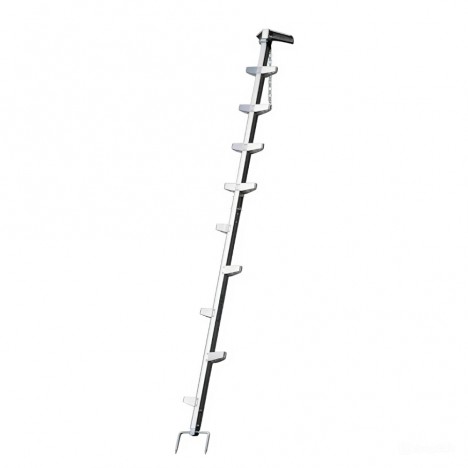
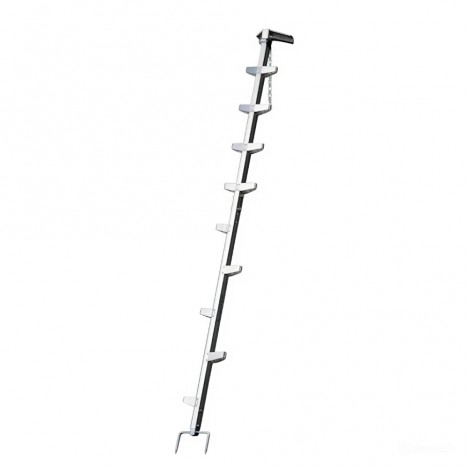
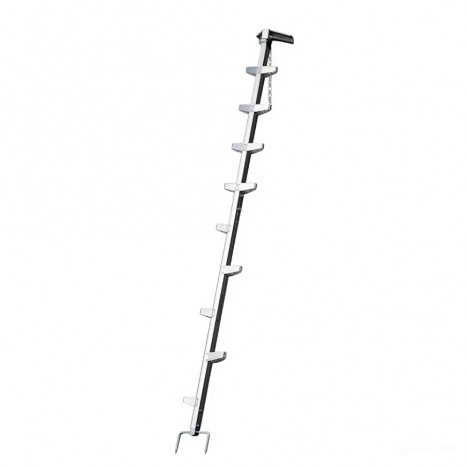

Aluminum Ladders considered an essential piece of equipment that almost every home and workplace should have. With its lightweight design, robust durability, and easy portability, it has become a popular choice for technical work, maintenance, or even general home improvement. Many people might think using an aluminum ladder is simple and uncomplicated, but in reality, without caution, improper use of an aluminum ladder can lead to severe accidents.
Whether it is slipping and falling from the ladder, head impacts, or even the ladder breaking midway, the resulting damage could be worse than expected. Prioritizing "safety" is therefore something every user should care about. This article will delve into the "7 prohibitions" of using aluminum ladders that are often overlooked, along with guidance on proper practices so that you can use aluminum ladders safely and efficiently, while extending the durability and lifespan of this equipment.
1. Getting to Know Aluminum Ladders: Types, Features, and Advantages
Before moving on to the "7 prohibitions", let's first understand the basics of aluminum ladders, as aluminum ladders do not come in just one design, but are categorized into several types based on design and usage.Type
1.1 Types of Aluminum Ladders
1. A-Frame Aluminum Ladder
- Features an A-shaped structure when opened and can be folded for storage.
- Suitable for home tasks such as changing light bulbs, hanging curtains, or repairing shelves at moderate heights.
2. Straight Aluminum Ladder
- Cannot be folded; used by leaning against a wall or anchoring point.
- Suitable for tasks that require climbing to high places, such as roof repairs or painting building walls.
3. Extension Aluminum Ladder
- Has 2-3 sliding sections to adjust the height as needed.
- Suitable for high-level repair work requiring flexibility, such as outdoor electrical tasks.
4. Multi-Purpose Aluminum Ladder
- Can be adjusted into various configurations, including straight leaning, A-frame folding, or even as a work platform.
- Meets the needs of both household tasks and light construction work.

1.2 Key Features of Aluminum Ladders
- Lightweight: Easy to move, reducing the effort needed to lift and carry during work.
- Weather-resistant: Does not rust or rot easily compared to steel or wooden ladders.
- Easy to maintain: Simply wipe clean to prevent oil stains or dust accumulation.
- Good load-bearing capacity: When manufactured to standards, high-quality aluminum ladders can easily support weights over 100-150 kg.
- Available in various sizes and shapes: Can be chosen to suit a wide variety of applications.
1.3 Advantages of Choosing an Aluminum Ladder
- Long-term value: Durable and long-lasting if properly maintained.
- Safer when used correctly: With a sturdy structure and moderate weight, the risk of tipping over is reduced.
- Suitable for both amateurs and professionals: Whether it's small household tasks or professional trade work, it's a great choice.
Once you understand the types, characteristics, and advantages of aluminum ladders, you can use them appropriately for your intended tasks and also help reduce accidents caused by using the wrong type of ladder.
2. 7 Don'ts When Using Aluminum Ladders and Correct Practices
Here are the "7 Don'ts" that aluminum ladder users should pay special attention to, as they are the primary causes of accidents and loss of life and property.
2.1 Never place an aluminum ladder on an unstable surface
- The Cause: Sloped, slippery, wet surfaces or soft ground are all risk factors.
- Why is it dangerous? The aluminum ladder may slip, causing the user to lose balance and fall.
- Solution:
- Inspect the surface conditions before use.
- Place the ladder on a flat, dry surface, or use leveling pads if uneven surfaces cannot be avoided.
- Avoid outdoor use during strong winds or heavy rain.

2.2 Never stand on the top step without safety equipment
- Cause: Many people like to stand on the top step of an aluminum ladder, thinking it makes it easier to reach higher.
- Why is it dangerous? The top step is usually not designed to be wide enough for stable footing, risking a loss of balance.
- Solution:
- Choose an aluminum ladder with the right height for your actual task.
- If you must work at extreme heights, select an aluminum ladder equipped with top guardrails.
- Use a safety harness/lanyard if you need to work at heights continuously.
2.3 Do not use an aluminum ladder that has cracks or damage
- The Cause: Heavy use of an aluminum ladder or dropping it can cause structural cracks or loose joints.
- Why is it dangerous? If the damaged area continues to bear weight, it may collapse suddenly, causing serious injury to the user.
- Solution:
- Inspect the aluminum ladder every time before use.
- Stop using it immediately if cracks or loose bolts are found.
- Send it for repair or replace it with a new aluminum ladder if it is severely damaged.
2.4 Do not lean an aluminum ladder against a wall at an improper angle
- Cause: Sometimes confined spaces or obstacles force the ladder to be placed too close to or too far from the wall.
- Why is it dangerous? An angle that is too steep may cause the ladder to slide down, or setting the ladder at too shallow an angle can cause it to bend.
- Solution:
- Use the 1:4 rule (1 foot away from the wall for every 4 feet of height) for straight extension ladders.
- Check the instructions that come with each model of aluminum ladder.
- If there is not enough space, consider using a folding or multi-purpose aluminum ladder instead.
2.5 Do not lift heavy objects or overreach while using an aluminum ladder
- The Cause: Attempting to lift heavy objects or reaching for items that are too far away while standing on the ladder.
- Why is it dangerous? Your body's center of gravity shifts quickly, making it easy to lose your balance.
- Solution:
- Move the aluminum ladder closer to the desired position.
- If the load is too heavy to handle, ask for help or use other equipment.
- Avoid leaning your body or overreaching your arms.
2.6 Do not let children or pets get near the ladder while it is in use
- The Cause: Children or pets might run around, pull, or bump into the aluminum ladder while you are standing on it working.
- Why is it dangerous? Risk of falling and injury to both users and children or pets
- Solution:
- Cordon off the area or ask others for help to look after children or pets
- If working near a community area, put up warning signs or notify people around you
- Keep the area around the ladder organized and free of obstacles
2.7 Do not skip steps or climb too quickly
- The Cause: Rushing work or hurrying up and down an aluminum ladder 2-3 steps at a time is a dangerous habit
- Why is it dangerous? A misstep or loss of balance makes self-control difficult and can result in falling from heights
- Solution:
- Step up and down slowly, one step at a time, looking at the steps each time
- For tasks requiring frequent climbing up and down, try to take regular breaks
- Hold onto the aluminum ladder frame or handrails to steady yourself
3. Safety Checklist: Before – During – After Using an Aluminum Ladder

4. Techniques for Choosing the Right Aluminum Ladder for the Job
1. Consider the height
- For indoor use, such as changing light bulbs with moderately high ceilings, a 4-6 step folding aluminum ladder is sufficient
- For outdoor use, roof repairs, or installing high lights, choose a straight extension ladder or sliding ladder
2. Check weight capacity standards
- For tasks requiring heavy tools or for heavier users, look for models supporting 120-150 kg or more
- For industrial use, choose aluminum ladders certified by ANSI or EN
3. Type of application
- If you need to change positions frequently or require versatile usage, consider a multi-purpose aluminum ladder
- If working outdoors and in need of stability, choose a ladder with an extra-wide base or anti-slip accessories.
4. Choose a reliable brand
- Reputable brands often manufacture with high-grade aluminum materials, ensuring long-lasting use.
- Check reviews from real users or inquire with the seller about the product warranty.

5. Additional Precautions When Using Aluminum Ladders On-Site
1. Consider weather conditions
- If it is raining or the ground is wet, postpone using the aluminum ladder to avoid slipping.
- Beware of strong winds that might cause the ladder to wobble.
2. Set up the ladder in an open area
- Avoid setting up the ladder near high-voltage power lines or in high-traffic areas.
- If working by the roadside, use cones or barricades for safety.
3. Wear Personal Protective Equipment (PPE)
- Hard hats, safety glasses, gloves, and non-slip shoes or safety shoes.
- If working at great heights, wearing a safety harness or safety lanyard may be necessary.
4. Have a spotter or helper
- If you must work on an aluminum ladder in a high-risk area, have someone hold the ladder base or keep watch to alert you to hazards.
5. Avoid dragging the ladder
- If you need to reposition it, lift the aluminum ladder and set it down gently instead of dragging it, as dragging can damage the ladder feet.
6. Conclusion
Aluminum ladders are versatile equipment suitable for a wide range of maintenance and handyman tasks. When used correctly, they offer great convenience and significantly enhance work efficiency. However, carelessness or a lack of understanding regarding safety can lead to severe accidents. The "7 don'ts" often overlooked by many are primary risk factors to avoid—whether it is placing the ladder on unstable ground, standing on the top rung without protective gear, using a damaged aluminum ladder, or simply rushing up and down too quickly.
In addition to avoiding these prohibitions, regularly inspecting the condition of your aluminum ladder and selecting the appropriate type of aluminum ladder for the job are crucial steps in preventing accidents over the long term. For greater confidence, choose an aluminum ladder that complies with international safety standards such as EN131 or ANSI A14. Once you are finished using it, do not forget to store it properly and inspect the ladder on a regular basis.
Looking for a ladder that meets your specific needs?
We have selected a wide variety of aluminum ladder models and styles for you to choose from according to your budget and requirements, complete with a team of experts offering free consultations!
Click here to view Aluminum Ladders various models and get expert advice
We hope you find the perfect ladder for your work and use it safely without any accidents!