


 EN
 ไทย


Customers Also Purchased


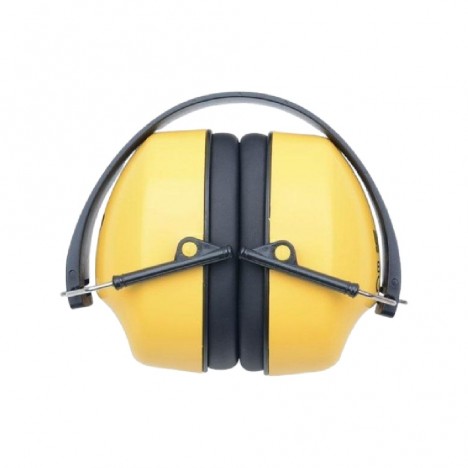
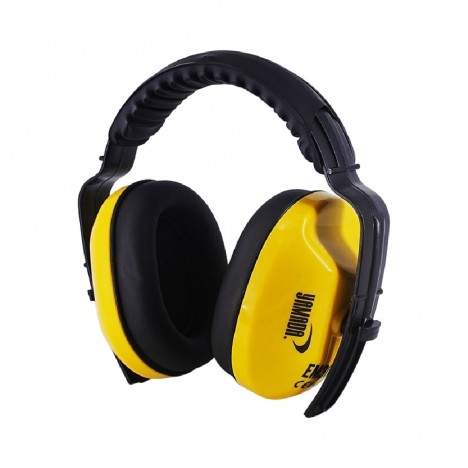
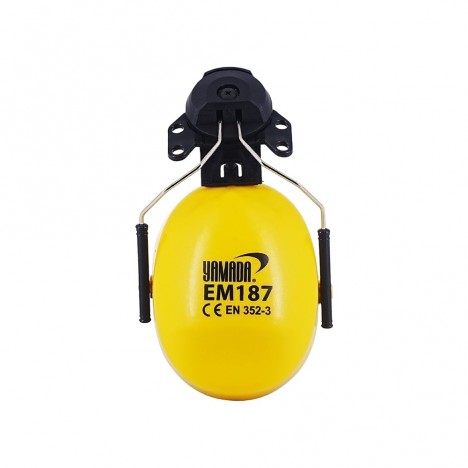
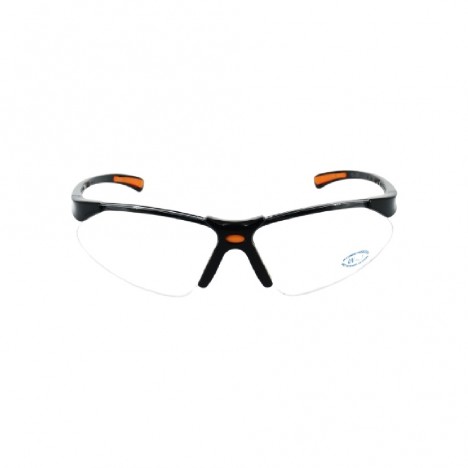
Safety equipment plays a vital role in protecting the lives and health of users in both industrial settings and daily life. Accidents can happen unexpectedly, whether in the workplace or at home. Having Personal Protective Equipment appropriate protection can reduce the risk of injury and serious hazards. However, effectively choosing safety equipment does not simply mean selecting products that look sturdy or durable; it also requires considering safety standards certified by relevant authorities, ensuring that the products used are of high quality and provide genuine hazard protection.
In this article, we take an in-depth look at ANSI, EN, and CE standards—major safety standards widely recognized and used globally—explaining their differences and specific requirements so you can correctly choose safety equipment suitable for your application.
Getting to Know Safety Equipment Standards
Safety equipment standards are criteria that define the specifications of safety gear to ensure it is sufficiently safe for use. These standards are issued by specialized safety organizations and set requirements tailored to various industries and types of applications. They cover physical protection, chemical hazard protection, impact injury protection, and protection against other environmental factors that may affect the user's health. Additionally, the standards specify test methods, quality inspections, and material requirements used in manufacturing to ensure that safety equipment reliably and effectively performs in real-world scenarios.

What ANSI Means
ANSI (American National Standards Institute) is the national standards organization of the United States, founded in 1918 to develop standards applicable across industry, technology, and various safety sectors. ANSI does not develop standards directly; rather, it oversees and accredits standards developed by other organizations, such as ASTM (American Society for Testing and Materials), which focuses on material testing and equipment durability; NFPA (National Fire Protection Association), which sets fire safety standards; and ISEA (International Safety Equipment Association), which develops personal protective equipment standards. Furthermore, ANSI collaborates with international bodies such as ISO (International Organization for Standardization) to ensure developed standards gain international acceptance.
Safety equipment that uses ANSI standards
- Safety helmets (ANSI Z89.1)
- Safety glasses (ANSI Z87.1)
- Safety shoes (ANSI Z41)
- Safety gloves (ANSI/ISEA 105)
- Fall protection equipment (ANSI Z359)
Key highlights of the ANSI standard
- Focuses on rigorous protection aligned with industrial applications in the United States. ANSI standards require testing under simulated conditions that are as close as possible to real working environments, including impact resistance, chemical resistance, and heat and electrical protection capabilities. For example, safety helmets certified to ANSI Z89.1 must withstand impacts from falling objects and reduce the severity of impact transmitted to the wearer's head. In addition, ANSI maintains strict requirements for eye protection equipment (ANSI Z87.1), which must pass high-velocity impact tests as well as provide protection against ultraviolet radiation from sunlight.
- Tested under environments similar to real-world situations: all safety equipment certified to ANSI standards must pass tests simulating actual use, such as ANSI Z41 safety shoes having to pass compression and puncture tests, as well as antistatic and electrical conductivity protection capabilities.
- Recognized in heavy industries such as construction and manufacturing, especially in the United States: ANSI-certified safety equipment is widely used in high-risk industries like construction, engineering, and large manufacturing plants that demand strict, reliable safety standards.
What is the CE standard?
CE (Conformité Européenne) is a certification mark indicating that a product complies with European Union (EU) health, safety, and environmental protection requirements for sale and use in the European market. The CE mark is not a safety standard directly, but a mandatory conformity marking indicating that the product complies with EU legislation and directives, particularly in categories such as personal protective equipment (PPE), electronic equipment, toys, and machinery.
The CE mark is mandatory for products covered by EU legislation regarding safety and health requirements, which include regulations on fire protection, hazardous chemical emissions, and mechanical hazard prevention. However, the CE mark does not inherently denote a product quality level or testing rigor equivalent to ANSI or EN standards.
In some cases, manufacturers can self-declare the CE mark if their products comply with EU requirements without requiring third-party testing. Therefore, consumers should verify additional supporting quality certification documentation beyond the CE mark to ensure that the safety equipment provides adequate safety for use in high-risk environments.
Safety equipment that requires the CE mark
- Hearing protection equipment (such as earmuffs)
- Dust and chemical respirators
- Antistatic equipment
- Safety gloves and safety shoes
Key highlights of the CE standard
- It is a mandatory requirement for products intended for sale in the European market. This means products bearing the CE mark can be legally sold in European Union countries without having to undergo re-inspection in each individual country.
- It focuses on legal compliance rather than in-depth safety testing. The CE mark indicates that the product complies with the essential requirements of relevant EU Directives, such as user safety, environmental protection, and product performance. However, CE standards do not always mandate testing by an independent agency. Some products may obtain CE certification through a "self-declaration of conformity" by the manufacturer, which may not involve third-party verification.
- Sometimes products with CE may not have undergone testing as rigorous as ANSI or EN, because the CE mark certifies compliance with minimum EU requirements without mandating specialized testing like ANSI and EN standards, which involve more stringent and specific test conditions. Therefore, even if a product bears the CE mark, it is still advisable to verify whether it meets other safety standards, especially when safety equipment must be used in high-risk environments.


Tips for Choosing Safety Equipment
1. Choose according to standards appropriate for the application
If used in the United States, choose safety equipment certified to ANSI standards, which are designed to meet the strict safety requirements of US industries, particularly in construction, manufacturing, and industrial plants. If importing or using in Europe, select safety equipment compliant with EN standards, which specify comprehensive testing criteria, and the CE mark, which is a baseline requirement indicating the product can be legally sold in the European Union. However, users should further verify that such safety equipment meets safety standards relevant to the actual nature of the work to ensure maximum effectiveness in hazard protection.
2. Verify standard certificates
Some products may carry the CE mark but have not been tested to EN or ANSI standards, meaning they may not have undergone rigorous testing for protective capabilities against impacts, chemicals, or electrical hazards in detail. Therefore, you should check supplementary documentation, such as test reports from independent testing laboratories (Third-Party Testing) or certification documents from relevant authorities, to ensure the product meets safety specifications for use in the intended environment.

3. Consider the working environment
If working in high-risk environments such as construction, chemical industries, electrical work, or areas with potential for severe accidents, choose safety equipment that meets ANSI or EN standards, as these standards test under strict conditions to ensure the safety equipment truly provides protection against potential hazards—rather than relying solely on the CE mark, which may only certify that the product can be marketed in Europe without confirming real-world strength and durability. Therefore, users should further verify that the safety equipment is certified by relevant authorities and has passed safety tests appropriate for the specific hazards encountered.
Conclusion
Understanding ANSI, EN, and CE safety equipment standards helps you select equipment that is genuinely suitable and safe. ANSI focuses on rigorous protection for US industries, EN is a European standard with detailed and explicit testing specifications, and CE is a mark certifying legal compliance within the EU. Choosing safety equipment that meets the appropriate standards is crucial for maximizing user safety.