


 EN
 ไทย


Customers Also Purchased
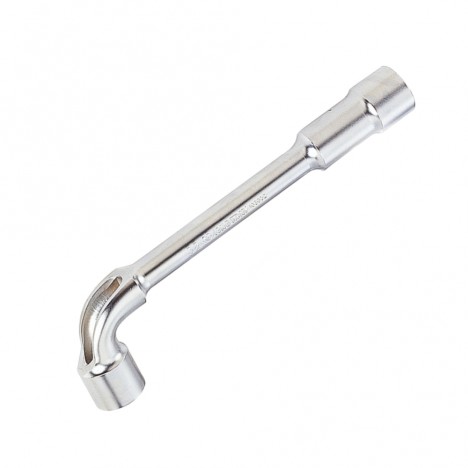
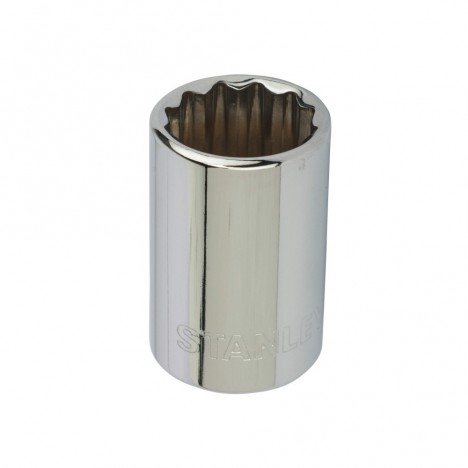
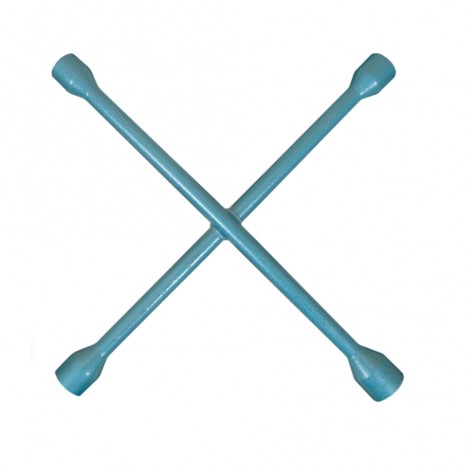
Tightening bolts securely seems like a simple process, but there are several critical factors to consider. If you use the Wrenches wrong type or overtighten, it may cause damage to the bolt, threads, or even the workpiece being assembled. Furthermore, improper torque can also cause the bolt to loosen during actual use, posing a problem that affects both safety and wrench durability. Therefore, in this article, I will guide you through the proper bolt tightening techniques using the right wrench for each type of job. This ensures that bolts are tightened just right, minimizes damage to the wrench, and maximizes fastening efficiency. Without further ado, let's dive into the article!

The importance of wrenches and tightening bolts properly
Preventing bolts from loosening
Properly tightened bolts reduce the risk of loosening from vibration or external forces, which is essential in construction, automotive, and machinery applications. This is especially critical in high-vibration environments, such as continuously operating machinery or vehicles subjected to constant shock and tension. If bolts are too loose, it can lead to deterioration of connected parts and potentially compromise operational safety. Therefore, applying proper torque and periodically inspecting bolt conditions are vital steps that should never be overlooked.
Preventing workpiece damage
Overtightening bolts can strip threads or even deform parts, which may compromise joint integrity and lead to structural strength issues. In addition, overtightening can cause stress concentration in materials, leading to cracking or long-term damage. Applying the correct torque is therefore essential; you should refer to manufacturer standard specifications or use a torque wrench to ensure proper tightness, minimizing potential future risks.
Promoting operational safety
Structures secured with improperly tightened bolts can be extremely hazardous. For example, if lug nuts on car wheels are tightened too loosely, it can cause abnormal wheel vibration while driving—not only wearing tires out faster, but potentially causing the wheel to detach from the axle and resulting in a severe road accident. Additionally, in structural engineering, insufficiently tightened bolts can make the structure unstable and risk collapse. Using an appropriate torque measuring tool, such as a torque wrench, is therefore essential to prevent these issues.

Types of wrenches and how to choose the right one
Open End Wrenches
This type of wrench features two open ends, making it convenient to use in tight spaces or obstructed areas where a ring spanner cannot fit. However, because of its open-jaw design, the pressure applied to the fastener may not be as balanced as with a ring spanner, making it more prone to damaging the fastener or slipping off if not used with care. Therefore, it should be chosen appropriately according to the requirements of the job.
Ring Spanner
A ring spanner (box wrench) grips the fastener completely around its perimeter. Thanks to its enclosed ring design covering the entire bolt head, it distributes torque evenly, reducing the chance of bolt head damage from localized pressure points. Furthermore, a ring spanner allows users to tighten bolts more securely with less effort compared to an open-end wrench—a major advantage when tightening high-resistance bolts, especially in precision applications such as machinery assembly, automotive work, and heavy load-bearing structural installations.
Adjustable spanner
This wrench can be adjusted to fit multiple fastener sizes using a sliding mechanism to widen or narrow the jaw opening, making it convenient for tasks requiring different wrench sizes without carrying multiple tools. However, because adjustable wrenches have slight play between the jaws and the fastener, slipping may occur during tightening if not adjusted snugly. Moreover, torque transmission from an adjustable wrench is usually not as uniform as that of a ring spanner or socket wrench. Therefore, it should not be used for high-torque applications or high-precision work, such as machinery assembly or automotive tasks that require specified standard torque values.
Torque Wrenches
A torque wrench is a tool that allows for precise torque application according to specified values, ensuring that bolts are tightened to the required standards. Typically, torque wrenches feature torque settings in Newton-meters (Nm) or pound-feet (lb-ft), allowing bolts to be tightened accurately and safely to component manufacturer specifications. Using a torque wrench is especially critical in high-precision work—such as engine assembly, automotive, structural engineering, and manufacturing—because it prevents overtightening that could damage threads or undertightening that could cause bolts to loosen under load. Selecting a quality torque wrench and having it calibrated regularly is therefore essential to ensure the tool delivers accurate and reliable values.


Proper techniques for using a wrench to tighten bolts correctly
Check thread cleanliness
Before tightening bolts, ensure that the screw and nut threads are free of dirt, dust, oil, or rust that could interfere with thread engagement. Foreign contaminants can cause inaccurate torque readings, resulting in an insufficiently tightened fastener or thread damage from uneven friction. If dirt is found, use a wire brush or thread cleaning spray to remove foreign particles first. Then, apply lubricant or anti-rust solution to help reduce wear and extend the service life of the nuts and bolts.
Use a wrench that matches the bolt size
If using a wrench Wrenches that does not fit the bolt properly, it may damage the bolt head, such as rounding off the edges or stripping the threads, making it harder to tighten or loosen. Furthermore, it may prevent torque from being fully transferred to the bolt, resulting in the workpiece not being fastened as securely as needed. Therefore, always choose a wrench that matches the bolt size to transmit torque efficiently and prevent potential damage.
Use the proper torque
Proper torque ensures the strength and safety of the workpiece, especially in precision applications such as installing engine parts, building structures, or high-pressure piping systems. Applying too much torque can damage parts or cause cracks. Meanwhile, applying too little torque can cause bolts to loosen during actual use, resulting in malfunctioning structures or machinery. Therefore, using a torque wrench is the best option for achieving the specified tightness, allowing you to set values according to manufacturer standards for the most accurate and safe torque.
Tighten bolts in the correct sequence
In some cases, such as securing engine cylinder heads or assembling parts subject to high pressure and forces, bolts should be tightened in the specified sequence to evenly distribute clamping force, reduce unbalanced stress on components, and prevent material warping or cracking. This technique is extremely important when installing high-load structures, such as securing differential gears in an automotive drivetrain or tightening bolts on high-pressure pipe flanges. Manufacturers typically specify an appropriate tightening sequence, which should be strictly followed to ensure durability and safe operation.


Check tightness after tightening
After tightening the bolts, recheck by wiggling them by hand to see if they are sufficiently tight. If a bolt can still move or has play, tighten it further, but be careful not to overtighten and cause damage. Additionally, for high-precision tasks such as assembling engines, vehicles, or steel structures, a torque wrench should be used to verify that the torque matches the specified standards. If the torque is lower than recommended, tighten it to the specified value to ensure the bolt will not loosen during use.
Potential problems from improper bolt tightening
Bolts too loose
If bolts are not tightened sufficiently, parts may come loose, leading to hazards in certain applications—such as automotive work, where loose bolts can cause critical components like wheels, drive shafts, or brake systems to malfunction and lead to severe accidents. Furthermore, in construction, inadequately tightened bolts can weaken connected structures, making them vulnerable to collapse or deformation. Checking and tightening bolts to the proper torque is therefore essential to minimize risks and enhance operational safety.
Bolts too tight
Overtightening bolts can damage threads or snap bolt heads. This not only makes removing or replacing parts more difficult, but can also compromise the integrity of structures or machinery that rely on secure fastening points. Over-torquing may permanently damage bolt threads, requiring replacement of the entire bolt and related components. Therefore, a torque wrench should be used to verify the proper torque setting in accordance with manufacturer standards, preventing damage and extending component lifespan.
Bolt head damage from using the wrong type of wrench
Using an improper wrench, such as an adjustable wrench on a very tight bolt, can round and damage the bolt head. Because adjustable wrenches have slight play between the jaws and the bolt head, using them on high-torque bolts can cause slipping and uneven pressure distribution, leading to rounded corners or deformed bolt heads. This makes future removal or tightening much more difficult. Additionally, using an improper wrench increases the risk of slipping, which can cause accidents or personal injury. Therefore, always choose a wrench with the right size and type for the required torque.
Conclusion
Tightening bolts securely is a skill that requires knowledge and an understanding of the tools used. Choosing the right wrench for the job ensures more efficient and safer fastening. In addition, correct tightening techniques help prolong tool life and minimize potential issues. For precision tightening, a torque wrench should be used to set the proper torque. With these practices, you can ensure that your work is strong and completely secure.