


 EN
 ไทย


Customers Also Purchased

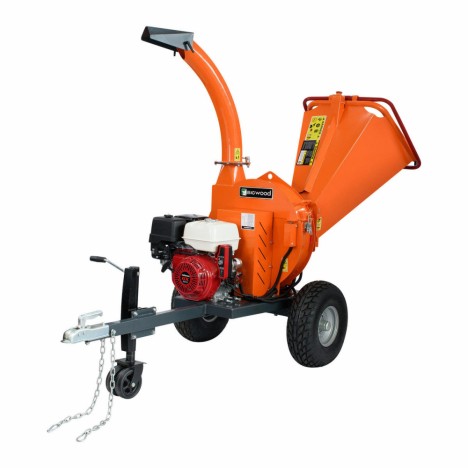
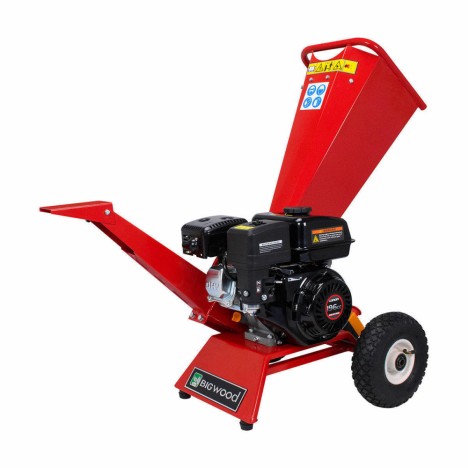


Maintaining a home garden and trees is essential for adding shade, freshness, and a natural atmosphere to your home. However, branches, leaves, and plant debris resulting from tree care and garden landscaping can become a hassle to manage. Without proper disposal methods, this plant debris can make the garden look untidy and may become a breeding ground for insects and pests.
What is a wood chipper, and how does it work?
What is a wood chipper?

Working principle of a wood chipper
- Rotary blade system – Uses sharp blades rotating at high speed to cut branches into small chips. These blades are made from high-strength metal to easily slice through hard wood, but require periodic maintenance and sharpening for maximum efficiency. Ideal for general home and garden use to manage small-to-medium branches.
- Crushing roller system – Uses pressure from rollers designed to crush and squeeze wood waste into small fragments. This system is often used in wood chippers focused on quiet operation and low vibration, making it ideal for confined spaces such as backyards or areas where noise reduction is desired.
- Hammer mill system – Uses high-speed rotating hammers to beat and shred wood debris into fine pieces. It excels at breaking down hardwood and large branches. This system is commonly found in industrial wood chippers requiring high power to process tougher materials, such as construction wood waste or large branches.
5 Reasons to Have a Wood Chipper at Home
1. Reduces garden waste, making the home cleaner

2. Turn Wood Waste into Natural Fertilizer
- Adds essential nutrients to the soil, such as nitrogen to stimulate plant growth, phosphorus to promote strong root development, and potassium to help plants better withstand diseases and changing environmental conditions.
- Helps improve soil structure, making the soil more friable and better at retaining moisture, while allowing plant roots to absorb nutrients more easily. It also helps prevent topsoil erosion, which is a vital factor in organic farming.
- Reduces reliance on chemical fertilizers that can cause adverse environmental impacts, such as chemical buildup in soil and water sources, which can disrupt the overall ecosystem. Additionally, using compost from chipped wood waste increases beneficial microorganisms in the soil, fostering a balanced and healthier soil ecosystem.
3. Reduce Waste Disposal Costs
Typically, disposing of branches, leaves, and plant debris requires relying on local waste management authorities or hiring private waste disposal services, which often charge fees that scale with the volume of waste handled. Moreover, hauling waste off-site requires significant labor and resources, resulting in hidden costs from labor hire and fuel for transportation. Furthermore, sending organic waste to landfills can generate methane gas, a potent greenhouse gas contributing to global warming.
- You can dispose of organic waste yourself without paying transportation fees, reducing the financial burden of hiring waste removal services or hauling it to waste disposal centers.
- The shredded wood chips can be repurposed in various ways, such as creating organic compost to enrich the soil, or using them as mulch to reduce water evaporation and prevent weed growth—eliminating the need to spend money on commercial fertilizers and chemical herbicides.
- Reduces the volume of waste needing disposal, which not only keeps your home cleaner, but also decreases the amount of organic waste sent to landfills. This eases the burden on waste disposal facilities and promotes sustainable waste management practices by recycling leftover materials.

4. Increase Convenience and Safety
Without a wood chipper, getting rid of large branches and leaves requires heavy physical labor. You might need to use cutting tools like saws or axes to cut them into smaller pieces, which is an exhausting and time-consuming process—especially when dealing with large quantities of branches. Additionally, open burning is another option many people turn to, but this method is not only hazardous to the health of those inhaling the smoke, but also harms the environment by releasing carbon dioxide and air pollutants into the atmosphere.
A wood chipper makes managing wood waste much easier and more efficient. Simply feed in the branches, and the machine will shred them into small pieces in no time,** eliminating strenuous effort and saving the time required for disposal. It also reduces the risks associated with using hazardous cutting tools—such as injuries from power saws or axes—and prevents fire hazards caused by burning organic waste, which is a common issue in agricultural and rural areas.
5. Environmentally Friendly
Burning wood scraps, leaves, and other organic waste generates smoke and toxic gases that harm human health and directly impact the environment. Smoke from burning can release harmful pollutants like carbon monoxide, dioxins, and particulate matter (PM), which can cause long-term respiratory and lung diseases. Moreover, the burning process releases greenhouse gases, such as carbon dioxide (CO₂) and methane (CH₄), which are major drivers of global warming and climate change.
Using a wood chipper is an environmentally friendly way to handle organic waste because it eliminates waste without burning, reducing toxic emissions and air pollution. Furthermore, the shredded wood chips can be reused for other purposes, such as making compost to enrich the soil or using as mulch to reduce water evaporation and improve garden conditions. Reusing wood waste instead of burning it lowers the volume sent to landfills, relieves the burden on waste management facilities, and supports sustainable conservation of natural resources.
- Reduces greenhouse gas emissions from burning waste, a major contributor to global warming and climate change. It also helps curb the buildup of carbon dioxide and methane in the atmosphere, helping to mitigate rising global temperatures.
- Reduces the amount of waste in landfills by helping ease the burden on waste disposal centers and reducing the space required for landfilling organic waste, which is a cause of soil and groundwater pollution.
- Promotes the efficient use of natural resources by enabling shredded wood chips to be reused, such as for compost, mulch, or biomass energy sources. This helps reduce the demand for chemical fertilizers and decreases deforestation for producing organic materials from nature.
Conclusion
A wood chipper is an extremely useful tool for gardeners looking to efficiently manage branches and leaves. Not only does it help reduce waste and keep your garden tidy, but shredded wood can also be turned into natural compost, cutting costs and protecting the environment.