


 EN
 ไทย


Customers Also Purchased


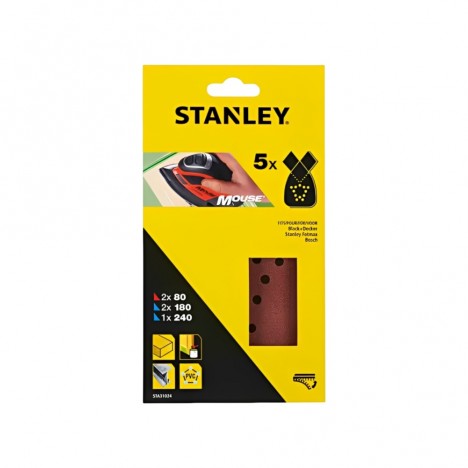
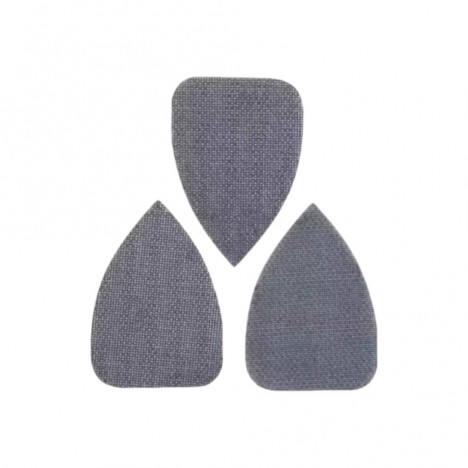


In this article, we'll take a look at 6 ways to use sandpaper that you might not have known before. We guarantee that after reading this, you'll see sandpaper in a new light and may find more ways to apply it in everyday life than you ever imagined.
1. Sandpaper for rust removal on metal
Sandpaper can be used to remove rust from metal surfaces, whether on knives, scissors, hand tools, or even automotive parts. Rust can form from moisture and airborne oxygen, causing metal materials to deteriorate and become brittle. If not removed properly, it can lead to long-term metal damage. Sandpaper is an effective way to solve this problem, as it can sand away rust without using chemicals that could harm the metal surface.
Choosing the appropriate sandpaper grit makes rust removal much easier. You should select different coarse and fine grits depending on the severity of the rust. For heavy rust, start with a coarse grit such as 80-120, then switch to a finer grit like 200-400 to achieve a smooth finish. To boost efficiency and reduce friction, you can use anti-rust oil alongside the sandpaper. This method not only helps remove rust but also helps prevent new rust from forming.
How to use:
- Choose 80-120 grit sandpaper for removing deep-seated rust
- For a smoother finish, follow up with 200-400 grit
- Anti-rust oil can be used with sandpaper to help reduce friction

2. Sandpaper for Scuffing Shoe Soles for Slip Resistance
If you've ever had problems with smooth soles making it difficult to walk, sandpaper can help solve this issue. Shoe soles without sufficient friction can lead to slipping accidents, especially when walking on tile or wet floors. Lightly sanding shoe soles helps increase friction, allowing the shoes to grip the floor better, reducing the risk of slipping, and increasing safety while walking.
Simply use sandpaper to gently scuff the shoe soles, choosing an appropriate grit such as 100-200 to eliminate slipperiness on the surface. Sand thoroughly, especially the areas that make the most contact with the ground. After sanding, test walk in them; if they still feel slippery, you can sand a bit more. However, be careful not to sand too aggressively, as this can cause excessive sole wear and potentially reduce the lifespan of the shoes.
How to use:
- Use 100-200 grit sandpaper to lightly sand the shoe sole area
- Test walk; if still slippery, sand a bit more
- Be careful not to sand too aggressively, making the soles too thin
3. Sandpaper for DIY Art & Crafts
Sandpaper can also be used in art projects to create a wide variety of unique textures and patterns. Using sandpaper in art helps add dimensional texture, giving artworks a more distinctive look, such as distressing paintings for a vintage appearance or partially sanding paint layers to create natural-looking effects. Additionally, sandpaper can be used to sand the surfaces of various materials, such as wood, glass, or even plastic, to create unique patterns that cannot be achieved with other techniques.
Furthermore, some artists use sandpaper to create textures on canvas, giving paintings depth and a different tactile feel. When looking to add dimension to sculptures, sandpaper also excels at refining surface details and eliminating unwanted marks. With diverse techniques, sandpaper has become an indispensable material in art and craft projects that require creativity and finesse.
How to use:
- Use 400-600 grit sandpaper on photos to give them an aged look
- Gently sand over acrylic paint to create interesting textures
- Use sandpaper to create patterns on wooden furniture for a vintage style
4. Sandpaper for Removing Sticker Residue
If you've ever tried peeling stickers off various surfaces only to be left with sticky adhesive residue, sandpaper can help remove those residues without damaging the underlying surface. Leftover sticker adhesive can be frustrating and make surfaces look messy, especially when wiping with regular cleaning agents is not enough, such as with stubborn, tacky glues. Sandpaper is an excellent option for completely removing these residues, especially fine-grit sandpaper, which helps sand away the residue without harming the surface.
Using sandpaper to remove sticker residue is easy: simply use 600-1000 grit sandpaper to gently sand the area with adhesive residue. Sanding should be done carefully to avoid scratching the surface. If residue still remains, wipe it clean with a damp cloth after sanding. Additionally, to enhance residue removal efficiency, you can use lighter fluid/gasoline or alcohol together with the sandpaper to help dissolve the adhesive more easily.
How to use:
- Use 600-1000 grit sandpaper to gently sand the stained/sticky area
- Wipe clean with a damp cloth after sanding
- If residue remains, sand again using lighter fluid/gasoline

5. Sandpaper for Cleaning Pots and Pans
If your pots and pans have stubborn burnt-on stains, sandpaper can help remove them without using harsh chemicals. Burnt residues from cooking can build up into thick, tenacious layers on the surface of cookware, making them difficult to clean. Using sandpaper is an effective and safe alternative method for eliminating stains without relying on chemicals that could be harmful to health. Additionally, sandpaper can help smooth out the surface of cookware, reduce deep-set stains, and help restore containers to a like-new shine.
Choosing the right sandpaper is essential. You should select 100–200 grit sandpaper, which is abrasive enough to scrub away burnt-on stains without causing excessive damage to the pan or pot's surface. Additionally, it should be used with dishwashing liquid or warm water to help stains come off more easily. After scrubbing, dry it immediately to prevent rust, especially in the case of cast iron pans or pots without a protective coating.
How to use:
- Use 100–200 grit sandpaper to scrub areas with burnt-on stains
- Rinse off with warm water and dishwashing liquid
- Wipe dry to prevent rust
6. Sandpaper for removing paint stains from clothes
If you have ever accidentally gotten paint on your clothes, sandpaper might just help remove the stain. Stains on fabric, especially acrylic paint, oil paint, or spray paint, can become deeply embedded and difficult to wash out. Using sandpaper can help remove these stains, especially if the paint has started to dry and adhere firmly to the fabric. Lightly rubbing the fabric with sandpaper helps scrape away the top layer of paint attached to the garment's surface, making it easier to remove. However, you should choose a fine-grit sandpaper to protect the fabric fibers and prevent scratching or tearing the material.
For the best results, start with 600–1000 grit sandpaper and rub gently over the paint-stained area. If the stain persists, try rubbing with warm water and mild soap to help loosen and dissolve the paint. Additionally, if the paint has seeped deeply into the fabric, wiping the stain with turpentine or rubbing alcohol alongside sandpaper will help lift it faster. Once cleaned, wash the fabric as usual and hang it to dry in the sun to ensure no paint residue or cleaning chemicals remain.
How to use:
- Use 600–1000 grit sandpaper to gently sand the paint-stained area
- Wash with warm water and soap
- Dry in the sun

Conclusion
Sandpaper is useful for far more than just sanding wood; it can be used for cleaning, DIY projects, repairs, and various art projects. Whether it's removing stubborn grime, smoothing and shaping different materials, or even creating textured patterns in crafts, sandpaper also plays a key role in restoring old furniture to look great again, thanks to its ability to buff out scratches and prepare surfaces for new paint or clear coats. In addition, sandpaper can be used to add traction to certain materials, such as shoe soles or tools requiring extra grip.
We hope this article gives you fresh ideas for getting the most out of sandpaper—not just for trade jobs or woodworking, but also for everyday applications, whether maintaining tools, decorating household items, or crafting art projects.
Sandpaper is a versatile tool that helps you work efficiently and achieve satisfying results.