


 EN
 ไทย


Customers Also Purchased


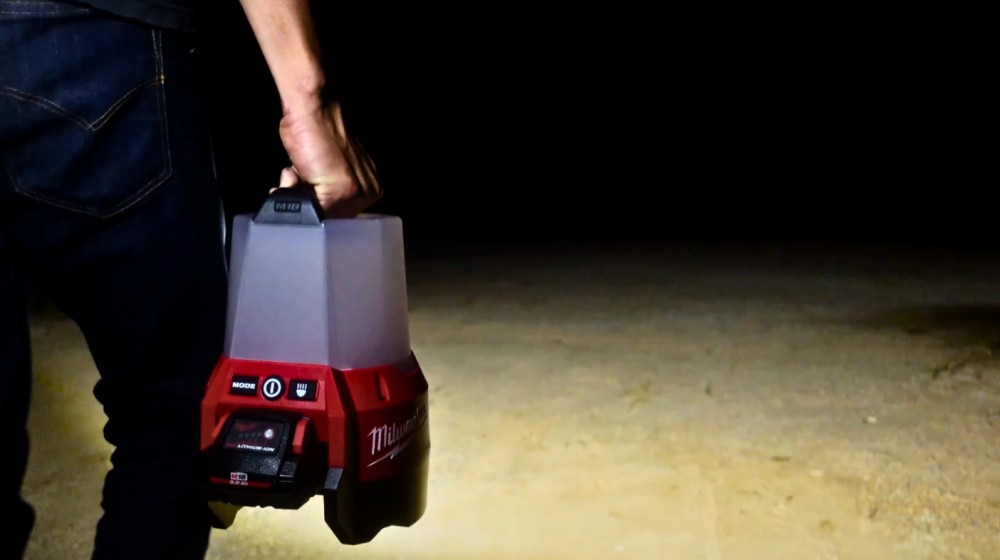
1. Why Every Technician Should Carry a “Work Light”
Adequate illumination in confined spaces
In various repair jobs, whether automotive or construction, we often have to work in low-light or pitch-black areas. Having a good-quality flashlight helps us clearly see the details of components or the repair area, reducing guesswork and errors.
Accident prevention
When it comes to technical work, "safety" is a top priority. If the workspace is too dark to see obstacles, wiring, or sharp tools, accidents can easily happen. A flashlight with sufficient brightness significantly reduces this risk.
Convenient and fast work
Having clear illumination allows us to fully inspect components or fine details without wasting time on trial and error, thereby increasing work speed while saving both physical effort and time.
Versatility for diverse applications
Technical work goes beyond just automotive or home repairs; it also includes installing, troubleshooting, and servicing industrial machinery, which often demands durable and specialized equipment. Work flashlights are therefore designed with more comprehensive functions and operating modes than standard flashlights.
2. Key features to look for before buying a work flashlight
1. Brightness (Lumens)
- Brightness or "Lumens" (lm) is a numerical value indicating the light output of a flashlight.
- For general trade work (such as home or car repairs), a brightness of around 300 - 1,000 lumens is considered sufficient.
- For factory work or large construction sites, a flashlight with higher brightness, such as 1,200 lumens or more, may be required to clearly illuminate wide areas and elevated spots.
2. Power source and charging system
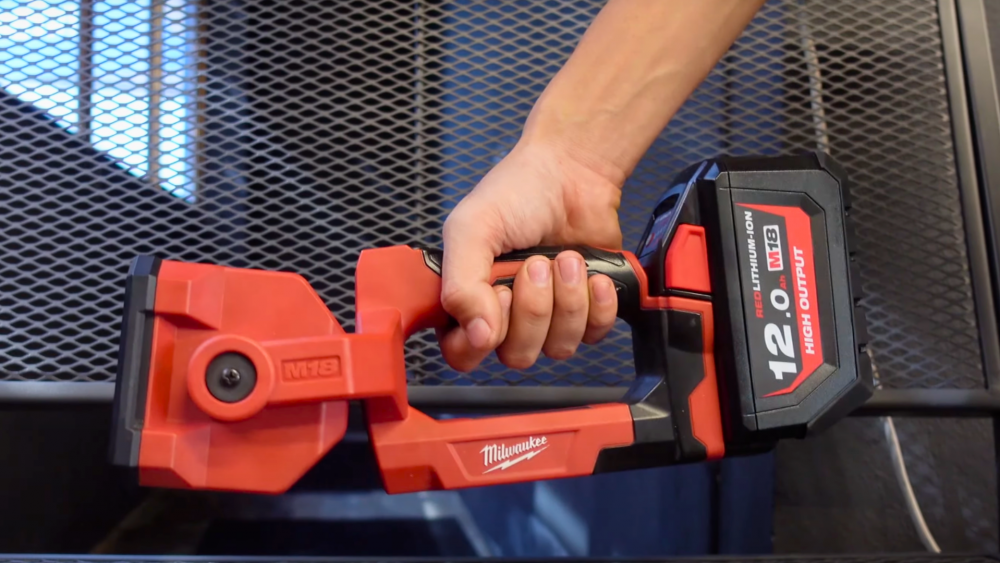
- Modern work flashlights mainly use lithium-ion (Li-ion) batteries because they are durable, long-lasting, and hold a large amount of energy.
- Some brands, such as Milwaukee, DeWalt, and Bosch, design flashlights to share the same battery platform with other power tools in the same series, saving costs and making battery swapping easy.
- For standalone flashlights that do not share batteries with power tools, check if they include a USB charging cable or a dedicated charging dock for convenient use.
3. Materials and protection standards
- Technical work often involves harsh environments with dust, oil, moisture, or high heat. Flashlights should therefore be made from robust materials such as aluminum alloy or high-grade plastic.
- They should have water and dust resistance standards such as IP54, IP65, or IP67. The higher the numbers following IP, the better the protection against water and dust.
4. Operating Modes and Runtime
- Many models of work flashlights may offer a high-brightness mode (High) for extremely dark areas or a low-brightness mode (Low) to conserve energy.
- Some models feature a flashing strobe mode or SOS mode for emergency situations.
- Also check the operating time (Runtime) in each mode. If you need to work continuously for several hours, choose a model with a long runtime or spare batteries.
5. Design and Ergonomics
- If you need to carry it around frequently, choose a lightweight, compact model that is comfortable to grip, and consider one with a belt clip or magnet to attach to metal surfaces.
- For use in factories or construction sites, consider a flashlight that can stand on the floor, has an adjustable angle, or features a built-in stand, which helps you work more conveniently across wide areas.
3. Popular Types of Work Flashlights
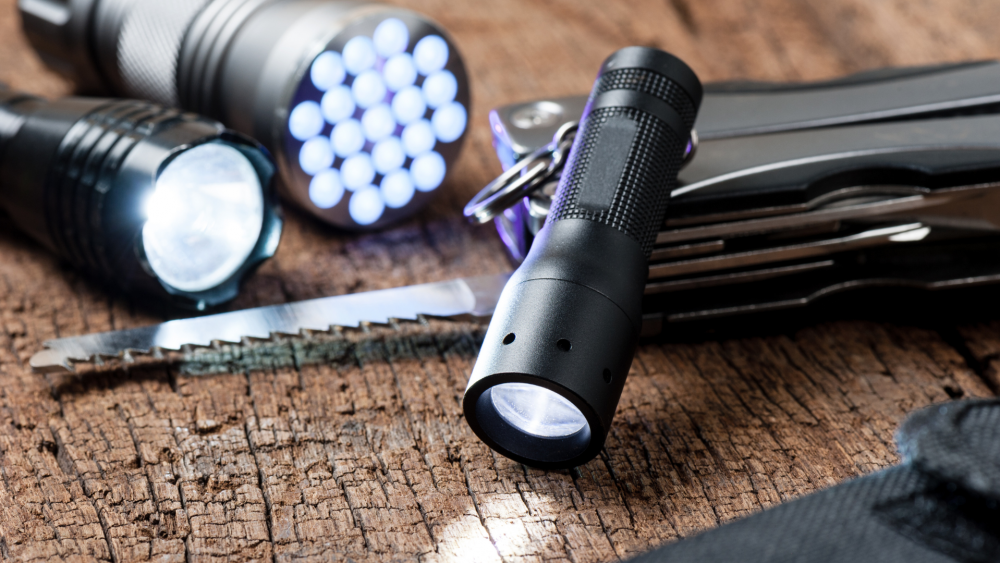
1. Handheld Flashlight
- Features a long bar or short cylindrical shape primarily meant to be held by hand; some models have a tail-cap or side push button.
- Ideal for minor home repairs, outdoor field work, and general maintenance tasks because it is easy to carry and versatile.
2. Clip-on Light / Magnetic Light
- Designed to clip onto shirts, clip onto hats, or attach to metal surfaces.
- Ideal for tasks that require illuminating small spots in tight spaces while keeping both hands free to work.
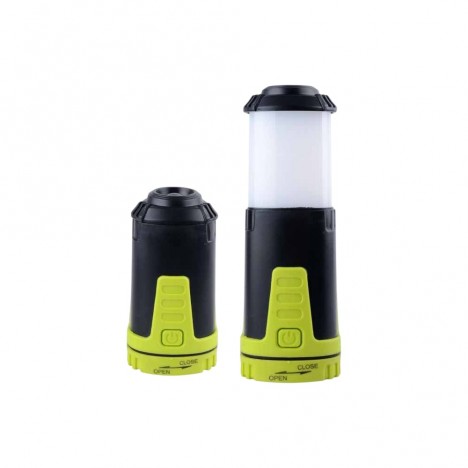
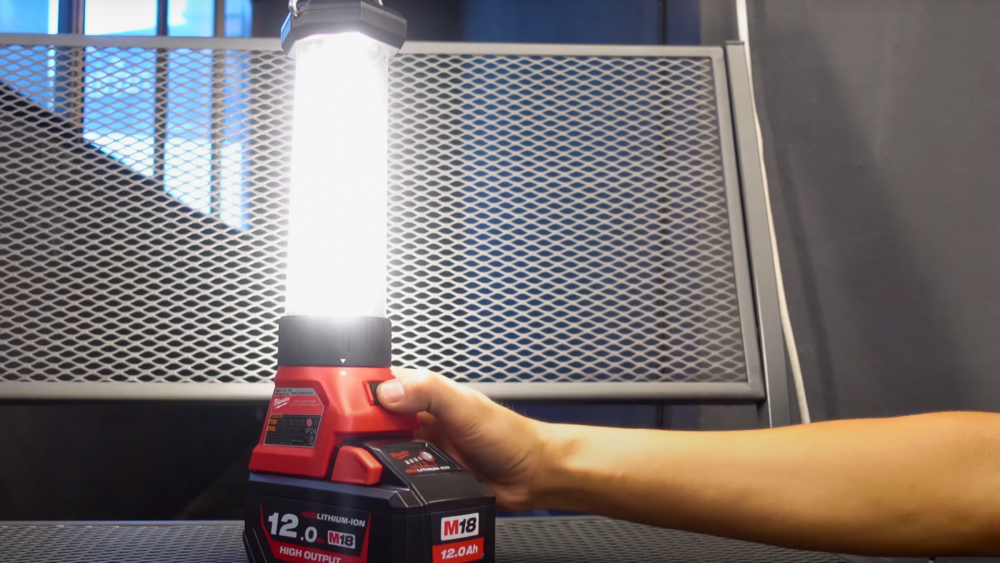
3. Floor-standing or Desktop Light (Work Light / Flood Light)
- Features a stand or frame for placing on the floor or a tabletop, allowing light to illuminate higher and wider areas.
- Ideal for work requiring wide-area illumination, such as furniture assembly, machinery maintenance, or auto repairs in garages.
4. Headlamp
- Leaves your hands free while providing illumination; ideal for working in the dark or in confined spaces like vehicle undercarriages and tight crevices.
- Widely popular among hikers and adventurers, but it is actually very convenient for small repair jobs around the house as well.
5. Penlight
- Pen-like design, lightweight, easy to carry, and fits in a shirt pocket
- Commonly used for inspecting small components and tasks requiring focused, detailed illumination
4. Choosing the Right Work Flashlight for Each Application
1. Automotive Repair
- Often involves working under vehicles or in engine bays where space is tight and natural light is minimal.
- A flashlight with a pivoting head to direct light in various angles, or a magnetic base to attach to metal surfaces for hands-free operation, is recommended.
- Brightness should be no less than 700-1,000 lumens, with good resistance to oil and chemicals.
2. Home Repair
- Covers a wide variety of tasks, such as wiring repairs, furniture assembly, fastening bolts, hammering nails, or plumbing repairs.
- Choose a compact, lightweight, and portable model with high-low brightness modes to save battery power.
- For home tasks, extremely high brightness may not be necessary (500-800 lumens is sufficient), but it should offer a long runtime in eco mode.
3. Factory Work
- Requires a flashlight that is resistant to dust and water, with high brightness, as it often needs to illuminate wide areas or high spots.
- Flashlights with an IP65 or higher water and dust resistance rating, along with drop- and impact-resistant materials, are recommended.
- Opt for a freestanding or easily adjustable model to work continuously without having to hold the flashlight all the time.
5. Interesting Technologies and Features of Work Flashlights
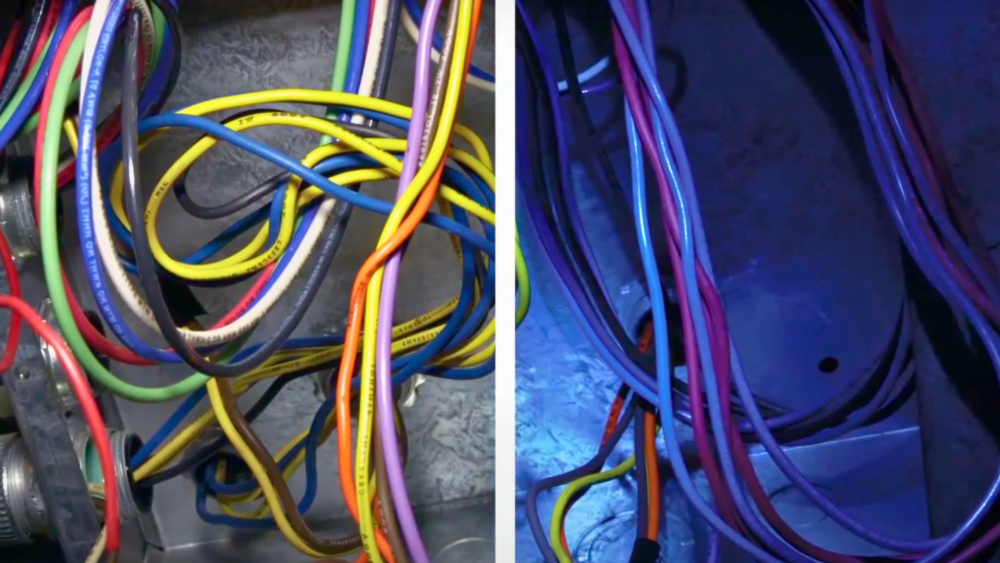
Comparison image between high-CRI LED flashlights and standard ones
1. New-Generation LEDs (High CRI LED)
- Nowadays, most flashlights use high-brightness LEDs, but some models focus on high "CRI" (Color Rendering Index), rendering the colors of workpieces closer to natural light.
- Suitable for repair or assembly tasks requiring accurate identification of wire colors, electronic components, or material surface colors.
2. Multi-level Brightness Modes
- Maximum brightness isn't always necessary, as it can drain the battery too quickly; some tasks only require a dimmed light to inspect close-up details.
- Flashlights with adjustable brightness levels help conserve battery life and extend operating time.
3. Strobe and Emergency Modes (Strobe / SOS)
- Used to signal others in critical situations or provide warning signals in areas with moving machinery.
4. Lithium-ion (Li-ion) Battery and USB Charging
- The current trend is flashlights that charge conveniently via USB (Type-C or Micro USB), eliminating the need to carry dedicated charging docks.
- Some models can also function as a power bank to help charge mobile phones in emergencies.
5. Heat Dissipation System (Heat Sink / Cooling System)
- Extremely bright flashlights naturally generate high heat; having a heat-dissipating structure helps prevent deterioration of the LED bulb and other components.
6. Tips for Maximizing the Use of Work Flashlights
- When inspecting wires or small components, medium brightness is sufficient.
- When working in wide or outdoor areas, use maximum brightness for safety and convenience.
- Flashlights with an adjustable head or stand help illuminate the exact spot, reducing glare and reflections that could lead to misjudgment or missing small details.
- When you need both hands to work or move around frequently, a headlamp is an ideal choice.
- Adjust the headband fit so it is neither too tight nor too loose for maximum agility.
- Avoid letting the battery drain completely too often, as this reduces its lifespan.
- If not in use for an extended period, it is recommended to fully charge it before storing and top it up periodically over time.
- If you have to work long hours or in remote areas with unstable power, carry a backup flashlight or spare battery to prevent the main flashlight from running out of battery midway.
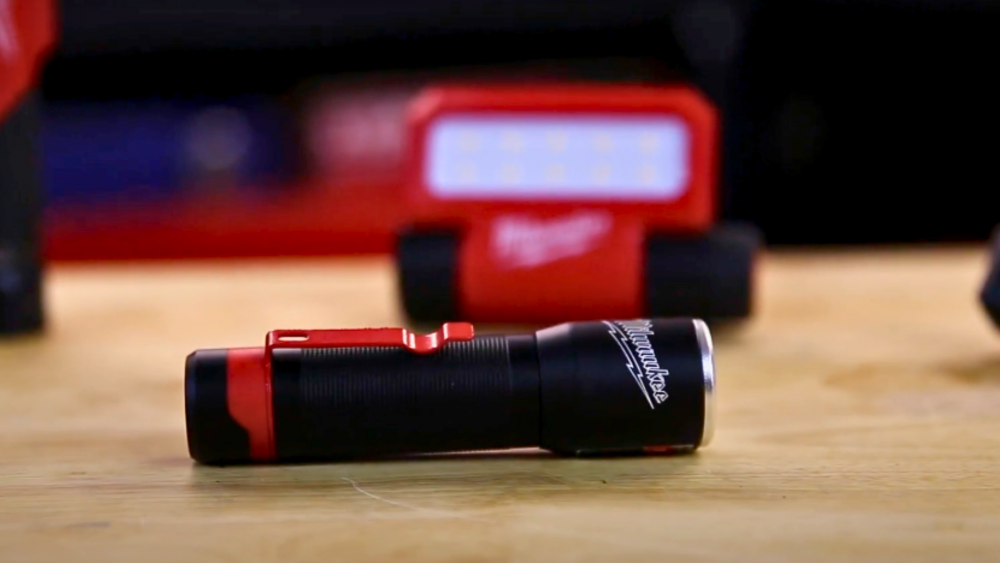
7. Tips for choosing a mechanic's flashlight for great value and long-lasting use
1. Set a budget in mind
- Work flashlights come in various price ranges, from hundreds to several thousand THB, depending on the brand and specifications.
- If you do serious mechanical work or are a professional tradesperson who uses a flashlight every day, investing in a durable model with a battery that supports continuous use is more cost-effective than constantly replacing cheap flashlights.
2. Read reviews and ask real users
- Currently, there are many online reviews, both on shopping websites and tool forums.
- Asking questions or sharing experiences with colleagues or professional technicians will help give you a clearer picture of which models are truly worth it.
3. Test the actual unit in person if possible
- If possible, try holding or testing the operation of the flashlight at a tool store.
- Check how it feels in your hand, whether the weight is comfortable, and if the buttons are conveniently positioned.
4. Look for models that share batteries with other tools
- If you already own power tools from a specific brand (such as Milwaukee, DeWalt, Bosch), buying a flashlight within the same battery platform will save you money in the long run.
- It makes it easier to swap batteries between tools.
5. Check the warranty and after-sales service
- Most quality mechanic's flashlights typically come with a 1–2 year warranty, or up to 3 years with some brands.
- Having accessible service centers or convenient repair options is another crucial factor, so you won't always have to purchase a new one if problems arise.