


 EN
 ไทย


Customers Also Purchased


Have you ever noticed that the roads are full of Traffic Safety Equipment Whether it's traffic cones, barriers, warning signs, signal lights, reflective road studs, or convex mirrors, these traffic devices are not merely street decorations, but "silent helpers" that make travel safer for everyone. Imagine roads without traffic devices such as traffic lights, directional signs, or traffic cones in construction zones. ❌ Traffic would be chaotic ❌ Drivers wouldn't know their route ❌ Accidents could happen several times more easily! Fortunately, these traffic devices are designed to minimize risks and organize travel. Today, we'll introduce you to 10 essential traffic devices that you might see every day without realizing how they help reduce accidents and make roads safer. Let's learn about them together.
1. Traffic Cones
Overview and Importance
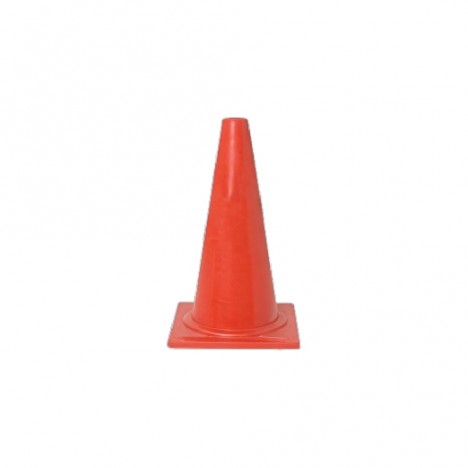
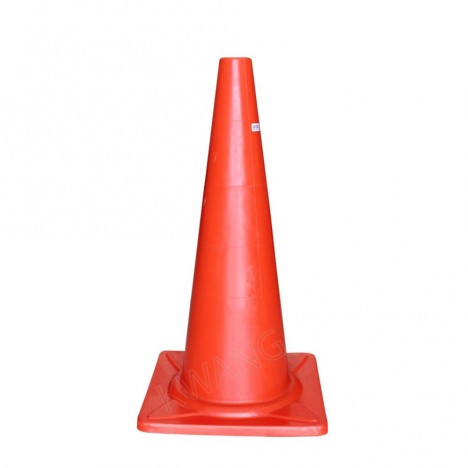
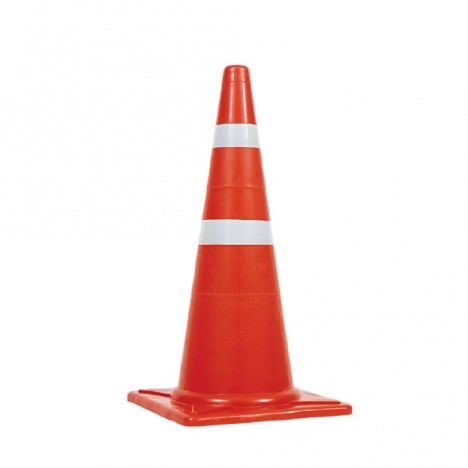
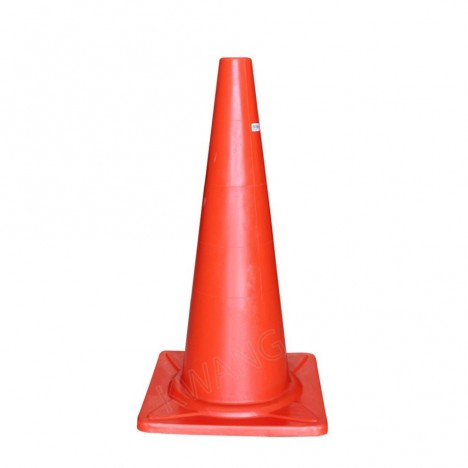
Traffic cones are a familiar and commonly seen piece of equipment while traveling—whether on main roads, in parking lots, on construction sites, or even in various multipurpose spaces. The key feature of a traffic cone is its conical shape and eye-catching colors (mostly orange with alternating white reflective bands) to quickly grab drivers' attention. Most traffic cones are made of rubber or plastic, which is quite durable against impacts and weather conditions.
Functions and Applications
- Temporary lane separation: Often used to divide lanes or demarcate temporary areas during road maintenance or accidents, allowing drivers to clearly see the restricted route.
- Warning in hazardous areas: Such as around potholes, damaged roads, or slippery road surfaces, traffic cones can be used to warn drivers to reduce speed and exercise greater caution.
- Maintaining parking order: In parking lots, traffic cones can be used to mark no-parking areas or designate special parking spaces.
Why They Are Necessary on Thai Roads
Because traffic conditions in Thailand frequently involve repairs and improvements—including road expansion projects, utility system work, as well as accidents that can happen at any time—having an adequate number of traffic cones helps organize high-risk areas systematically and reduces the likelihood of secondary accidents.

2. Traffic Barriers
Overview and Importance
Traffic barriers are devices designed to create boundaries or divide traffic zones with greater stability compared to traffic cones. They are typically made of rigid plastic or reinforced concrete, offering durability and high impact resistance.
Functions and Applications
- Permanent or semi-permanent lane division: Concrete barriers are often used to divide traffic lanes permanently or long-term, such as separating opposing traffic or in high-risk areas.
- Demarcating construction zones: Large construction projects or job sites requiring high safety standards often use water- or sand-filled plastic barriers to set up clear perimeters, keeping vehicles and pedestrians out of hazardous zones.
- Mitigating accident severity: Barriers help prevent cross-lane collisions and cushion impacts between vehicles and roadside edges or dividing lines.
Why They Are Necessary on Thai Roads
Since Thailand has many areas with dense traffic and high accident risks, such as major highways and expressways, using traffic barriers to separate traffic directions or deter illegal U-turns is an effective way to cut down on accidents.

3. Convex Traffic Mirrors
Overview and Importance
Convex mirrors are installed in areas with poor visibility where seeing vehicle or pedestrian movements is difficult. They are commonly found at intersections, narrow alley curves, or blind spots in parking lots. Convex mirrors broaden the field of view, allowing drivers to see approaching vehicles from around corners that would otherwise be out of sight.
Functions and Applications
- Enhancing visibility in blind spots: Whether blocked by trees, buildings, sharp curves, or obstacles along alleys, convex mirrors help drivers spot approaching vehicles before entering an intersection.
- Preventing accidents: By providing a clear view of traffic conditions and pedestrians in blind spots, these mirrors help drivers make the right decisions and avoid collisions.
- Indoor and parking lot use: Beyond roadways, they are widely used in parking structures to monitor vehicles moving through narrow lanes or around obstructing pillars.
Why They Are Necessary on Thai Roads
Given the nature of Thai roads—filled with narrow alleys, hairpin bends, and sight-obstructing structures—convex mirrors are essential for reducing accidents, especially in urban or densely populated areas.

4. Flexible Delineator Posts
Overview and Importance
Flexible delineator posts are highly elastic bollards featuring reflective sheeting for high nighttime visibility. Their key feature is the ability to bend or collapse when struck or driven over by a vehicle, bouncing back to their original shape with minimal damage. They are typically made from specialized rubber or polyurethane plastics.
Functions and Applications
- Lane delineation: Commonly installed where clear traffic lane separation is needed, especially in zones designated for one-way traffic or no-passing zones.
- Route markers: Used in place of rigid posts or signs in areas prone to vehicle scrapes or impacts, flexible posts absorb impacts without causing severe damage.
- Minimizing vehicle damage: If a vehicle drifts off-lane or grazes a post, flexible delineators cause far less damage compared to concrete or metal bollards.
Why They Are Necessary on Thai Roads
With heavy traffic conditions and high vehicle volumes in major cities, flexible delineator posts effectively organize routes and reduce severe accident risks from sideswipes, particularly in narrow lanes where strict lane discipline is required.

5. Traffic Signs
Overview and Importance
Traffic signs are among the most essential safety devices, serving as a "universal language" that informs drivers and pedestrians of rules to follow or hazards to watch out for. They come in various types, including warning, regulatory, and directional signs, each designed with symbols or concise text for quick, intuitive understanding.
Functions and Applications
- Warning: Warning signs, such as dangerous curves, slippery roads, or pedestrian crossings with children, alert drivers to reduce speed and proceed with caution.
- Mandatory: Regulatory signs, such as no overtaking, no turns, or no U-turns, establish rules and regulations to ensure drivers comply with the law.
- Directional: Guide signs help drivers choose the correct route while also indicating distances, landmarks, gas stations, or medical facilities, making travel more convenient.
Why They Are Necessary on Thai Roads
Thailand has a diverse road network, including highways, expressways, rural roads, and urban streets. Having clear, standardized traffic signs is a vital aid in reducing accidents by communicating regulations and warnings to road users in advance.

6. Chevron Signs
Overview and Importance
Chevron signs feature diagonal arrows aligned in sequence, or rectangular panels painted in alternating black and white or blue and white. This style is installed along curves or sharp corners to give drivers a clearer view of the road's direction.
Functions and Applications
- Indicating curve alignment: Chevron signs are installed throughout curves to inform drivers which way the road is bending, reducing accidents from overshooting the turn or overturning.
- Aiding decision-making: When drivers see chevron signs, they can prepare to slow down and adjust their steering to match the road geometry.
- Enhancing nighttime visibility: Most chevron signs use reflective materials, making them clearly visible even in low-light conditions or at night.
Why They Are Necessary on Thai Roads
Thai roads feature diverse curves and topography. In hilly or mountainous areas, as well as hairpin bends on rural routes and highways, chevron signs help drivers clearly see the path ahead, preventing curve departures and driver error.

7. Road Studs
Overview and Importance
Road studs, often called "cat's eyes," are small yet crucial devices. They are typically embedded into or anchored onto the road surface to divide lanes or delineate traffic markers. They generally feature reflective strips to ensure high visibility at night or in the rain.
Functions and Applications
- Lane division: Road studs are installed in continuous rows along lane dividers or road shoulders to help drivers recognize lane boundaries.
- Warning against lane drifting: When a vehicle drives over a road stud, the driver feels a slight vibration and hears a sound, alerting them that they are drifting out of their lane or driving in the wrong lane.
- Enhanced visibility in low-light conditions: Thanks to their reflective properties, road studs make lane markings much clearer at night or during rain.
Why They Are Necessary on Thai Roads
With heavy traffic and inadequate lighting on some roads, road studs serve as an essential aid for drivers to stay within their lanes, reducing sudden lane changes or unintentional drifting, and effectively lowering collision risks.

8. Traffic Lights
Overview and Importance
Traffic lights are universally recognized devices that control the movement of vehicles and pedestrians. Based on green, yellow, and red signals, they regulate priority and timing for driving or crossing the road.
Functions and Applications
- Controlling traffic: At busy intersections and junctions, traffic lights provide a solution that allows vehicles from each direction to take turns moving, reducing the risk of collisions.
- Facilitating pedestrians: Traffic lights equipped with pedestrian crossing signals allow people to cross the street much more safely.
- Reduces chaos: Traffic lights help organize vehicle movements without requiring traffic officers at all times.
Why They Are Necessary on Thai Roads
Traffic systems in major Thai cities—such as Bangkok, Chiang Mai, Phuket, and other tourist destinations—have high congestion levels, making efficient traffic lights essential. Furthermore, modern technologies like AI are being implemented and improved to count vehicles and adjust signal timing according to the traffic volume during each period.

9. Warning Blinker Lights
Overview and Importance
Warning blinker lights, or flashing traffic beacons, are typically used in areas requiring drivers to exercise caution, or as a replacement for standard traffic signals during specific times, such as late at night or during lane closures.
Functions and Applications
- Warns drivers: When seeing a flashing yellow or red light, drivers naturally slow down and take extra caution.
- Helps in areas without full traffic lights: Some locations may not be suitable for installing a full traffic signal system, such as rural highways, but still need to alert road users. Blinker lights serve as an excellent solution.
- Continuous operation: Blinker lights can be installed with solar power systems, eliminating long-term electricity costs while operating around the clock.
Why They Are Necessary on Thai Roads
Routes across Thailand span both urban and rural areas, as well as secluded roads with minimal street lighting. Flashing yellow or red lights installed at hazardous spots—such as curves or intersections—serve as warning signals for drivers to exercise greater caution, significantly reducing the likelihood of accidents.

10. Rubber Speed Bumps
Overview and Importance
Rubber speed bumps (or speed humps) are devices installed on road surfaces to compel drivers to reduce speed in areas requiring high safety, such as in front of schools, hospitals, or residential communities. These speed bumps are typically made from durable rubber or rubber-plastic composites and feature reflective stripes for high visibility.
Functions and Applications
- Speed control: Having a raised obstacle on the road that is low yet sufficient forces drivers to brake or slow down to prevent vehicle damage or ride discomfort.
- Enhances safety in community zones: Areas where children, the elderly, or pedestrians frequently cross the road require strict vehicle speed reduction. Rubber speed bumps are a highly effective tool for this.
- Used in parking lots or residential estates: Beyond main roads, they are also used in shopping mall parking lots, condominiums, or gated communities to prevent vehicles from speeding in confined spaces.
Why They Are Necessary on Thai Roads
Thailand has many areas that require maximum safety, such as in front of schools or in dense community zones with continuous pedestrian traffic. Rubber speed bumps effectively reduce accident rates and lessen the severity of collisions should they occur.

Summary of the Importance of Traffic Equipment
From the "10 Essential Traffic Equipment Items for Roads in Thailand" discussed above, it is clear that each device has its own distinct role and function. From warning, enforcing, and organizing traffic to reducing speed and preventing accidents, all focus on ensuring safety for all road users at every level.
- Traffic cones: Easy to use, fast to deploy, and convenient to move; ideal for temporary use or emergency traffic management.
- Traffic barriers / road barriers: Provide strength, prevent vehicles from crossing into oncoming lanes, and securely demarcate construction zones.
- Convex mirrors: Expand fields of view and eliminate blind spots at curves and obstructed corners.
- Flexible traffic delineator posts: Help divide traffic lanes and prevent severe vehicle damage in the event of a side-swipe or collision.
- Traffic signs: The universal language for everyone on the road, communicating regulations, warnings, and route information.
- Chevron signs: Highlight the curve direction for drivers, allowing them to adjust driving behavior in time.
- Road studs: Reinforce lane markings and reflect light for clear visibility, especially in the dark or during rain.
- Traffic lights: The core of traffic management in congested areas, effectively reducing intersection accidents.
- Flashing warning lights: Warning devices for high-risk zones, or used in place of traffic lights at certain times.
- Rubber speed bumps: Slow down vehicles in pedestrian-heavy areas or zones requiring extra safety.
Crucially, having quality traffic equipment that is properly installed helps reduce accidents and increases safety for all parties, whether drivers or pedestrians. Above all, drivers themselves must obey traffic laws, use equipment properly, and always stay mindful on the road.
When roads are safer... everyone lives with greater peace of mind!
Traffic Safety Equipment These may be overlooked by many, but without this equipment, the roads would be much more chaotic and dangerous. Correctly installing traffic equipment and having all parties obey traffic rules are key to making every route safe. What about you—have you ever noticed the traffic equipment that keeps your drive safer? Share this article with your friends so they can appreciate the importance of traffic equipment too!