


 EN
 ไทย


Customers Also Purchased



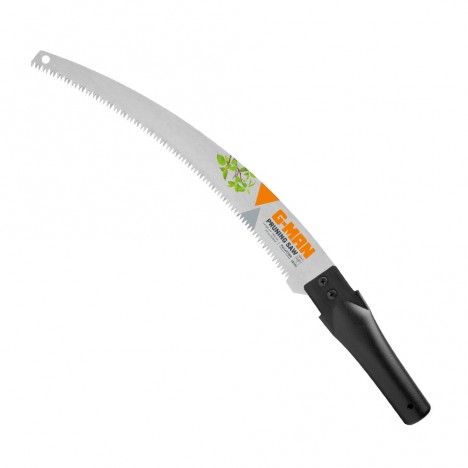

Pruning branches is an essential task in tree and garden care that requires the right tools for efficient work. Pruning saws are a widely popular primary tool, especially those featuring two main tooth types: fine teeth and coarse teeth.
Many people might wonder, Pruning Saw What is the difference between fine teeth and coarse teeth? And which one should you choose for your branch pruning work? In this article, I will explain the details of the differences between both saw types, along with recommendations on how to choose the right one for your application!

What are fine-tooth and coarse-tooth pruning saws?
Fine-tooth pruning saws
A fine-tooth pruning saw features small, closely spaced teeth that deliver high cutting precision and reduce impact vibration during sawing. The fine-tooth blade is designed to reduce friction, allowing for exceptionally smooth and continuous cuts while reducing the chance of wood splintering or tearing. Using this type of saw often requires more effort and takes longer to cut than a coarse-tooth saw, but it yields finer and cleaner results. It is ideal for tasks requiring neatness, such as shaping trees, working with softwoods, or finishing work needing perfect cut lines.
Key features of fine-tooth saws
- The saw teeth are small and closely spaced, allowing for fine and precise cutting.
- Provides a smooth cut, reduces wood burrs, and minimizes the chance of rough marks on the wood surface.
- Takes longer to cut than a coarse-tooth saw, as it requires steady sawing motion and greater delicacy.
- Reduces the risk of wood cracking or splintering because the impact from the teeth is low and the cut is smooth.
- Ideal for jobs requiring neatness, such as cutting softwood, furniture making, and trimming small branches.
Coarse-Tooth Pruning Saw
A coarse-tooth pruning saw has larger teeth with wider spacing, allowing it to cut wood faster than a fine-tooth saw. The large teeth bite efficiently into the wood and reduce friction during sawing, enabling it to cut through dense wood with ease. Coarse-tooth saws are ideal for jobs requiring speed, whether it is cutting large-diameter branches or sawing hardwood where less effort is needed to pass through the grain. However, the cut surface from a coarse-tooth saw may not be very smooth and may leave splinters, requiring further finishing if a delicate result is desired.
Key Features of a Coarse-Tooth Saw
- Features larger, more widely spaced teeth that enhance cutting efficiency by removing a large amount of wood with each stroke.
- Cuts wood faster and with less effort, as the teeth bite deeper into the wood, reducing the number of strokes required.
- May produce a rough cut with splinters, which may require additional sanding or trimming if a clean finish is desired.
- Ideal for large branches and hardwoods, especially jobs requiring speed, such as trimming large tree branches or cutting hardwood where minimal effort per cut is needed.

Comparison: Fine-Tooth vs. Coarse-Tooth Pruning Saws
Cutting Speed
- Fine-tooth pruning saw: Cuts more slowly because it requires fine and precise strokes. The blade features small teeth designed to cut neatly and smoothly, demanding a steady and continuous rhythm. Additionally, using a fine-tooth saw requires balanced pressure and precise control to minimize vibration, resulting in a cleaner cut. It is ideal for high-detail work, such as trimming small branches, softwood projects, or furniture making where a perfect cut is required.
- Coarse-tooth pruning saw: Cuts faster because the teeth bite deeper into the wood with each stroke, removing more material per pass. This results in fewer strokes needed and less effort expended. In addition, the large teeth effectively clear sawdust during cutting, reducing the risk of the saw binding or encountering high resistance. It is ideal for cutting large branches or hardwoods that require greater cutting power.
Cut Smoothness
- Fine-tooth pruning saw: Provides a smooth cut without splinters and minimizes damage to the wood grain. The closely spaced teeth bite gently into the wood, reducing impact and resistance, which helps trees heal faster after pruning. It is ideal for applications requiring high precision, such as fine woodworking, furniture detailing, or pruning branches where a clean cut is needed without further sanding.
Coarse-tooth pruning saw: Produces a relatively rough cut and may leave splinters, as the larger, more widely spaced teeth bite rapidly into the wood without the cut precision of a fine-tooth saw. The resulting splinters may require additional sanding if a smooth surface is needed, especially when using the wood for decorative work or furniture. Nevertheless, a coarse-tooth saw remains the top choice for cutting hardwoods or large branches where speed and reduced effort are prioritized.
Sawing Effort
- Fine-tooth pruning saw: Requires more effort because the teeth are smaller and cut less material at a time, especially when working with hardwood or dense branches. Because closely spaced, fine teeth can cut with high precision, more force must be exerted for the blade to bite into the wood grain. Using a fine-tooth saw thus requires consistent stroke motion and controlled pressure to achieve clean cuts and reduce the chance of the blade binding or catching during use.
- Coarse-tooth pruning saw: Uses less effort because the teeth cut deeper with each stroke. The larger teeth help the saw cut through the wood quickly and efficiently, reducing the number of strokes needed to sever the branch. Additionally, the wider spacing between teeth reduces friction and prevents the blade from binding during cuts, making it ideal for cutting large branches or hardwoods where less downward pressure is needed and speed is essential.
Suitability for Different Wood Types
- Fine-tooth pruning saw: Suitable for softwood, dry wood, or small branches requiring precision—such as fruit tree branches, indoor plants, or furniture wood where neat and precise cut edges are required. The closely spaced teeth minimize the risk of wood splintering or burring, making it suitable for tasks requiring high detail.
- Coarse-tooth pruning saw: Suitable for hardwood, large branches, or wood requiring fast cuts—such as dense hardwoods like Afzelia, Hopea, or heavy-grain timbers that demand significant cutting power. The larger teeth cut through the wood grain faster, reducing resistance and enabling efficient handling of heavy-duty cutting tasks.
Maintenance Tips to Prolong the Life of a Pruning Saw
Cleaning the Saw Blade
- Wipe clean after every use to reduce the buildup of sap and wood residue that could affect cutting performance. Use a dry or damp cloth to wipe down the blade and prevent tree resin from sticking.
- Use a brush to remove debris trapped in the saw teeth. A small wire brush or an old toothbrush is recommended. If resin or tree sap is heavily stuck on, kerosene or cleaning solvent can be used for a thorough clean to keep the blade sharp longer.


Applying Rust Inhibitor Oil
- Apply a thin layer of lubricating oil to coat the blade after every cleaning to prevent rust and corrosion. Dedicated anti-rust oil or engine oil with moisture-displacing properties is recommended to help extend the life of the saw blade.
- If the saw begins to develop rust spots, use fine-grit sandpaper or a rust-removal solution to gently buff them out, then wipe it dry before reapplying lubricating oil to prevent recurring rust and keep the blade sharp.
Storing the Saw in a Dry and Safe Place
- Avoid storing the saw in damp locations or in direct sunlight, as moisture can cause rust and blade corrosion, while sunlight and heat can accelerate the deterioration of plastic or rubber handles.
- Use a sheath or scabbard to protect against rust and prevent accidents from the sharp teeth. Choose a sheath made of corrosion-resistant or breathable material to reduce moisture buildup and keep the saw blade in top condition.