


 EN
 ไทย


Customers Also Purchased

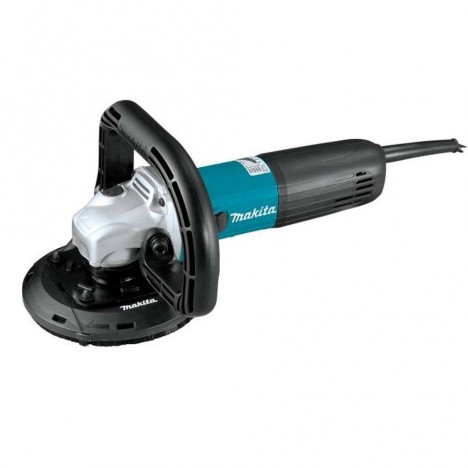


Choosing a concrete grinder is not just about picking a size or brand; it also requires considering multiple factors such as machine type, nature of work, grinding disc material, and the power system used. This article will walk you through the key factors to consider when buying a concrete grinder, along with tips on choosing the right one for your masonry work, helping you decide with confidence and get the most value out of your equipment.
Get to know the key factors to consider when buying a concrete grinder, along with tips on choosing the right one for your masonry work, so you can make confident decisions and get the best value from your equipment.
1. Understand the Types of Concrete Polishers
A concrete polisher might sound like just a single type of tool, but in reality, there are various types, each designed to meet different job requirements. Understanding each type of concrete polisher is an excellent starting point for choosing the right one for your needs.
Handheld Concrete Polisher
Handheld concrete polishers are suitable for surface finishing in confined spaces, such as small concrete walls, corners, pillars, or stair edges. The key highlights of this type of polisher are its compact size, lightweight build, and ease of use. It is ideal for finishing and repairing concrete in small areas. At a glance, it looks similar to angle grinders and other power tools.
Pros:
- Easy to use and convenient to carry
- Ideal for repair work and detailed finishing
- More affordable than large concrete polishers
Disadvantage:
- Not suitable for grinding/polishing large areas
- Takes longer for large-scale concrete polishing tasks

Walk-Behind/Ride-On Concrete Polisher
Walk-behind concrete polishers are larger than handheld models, designed so that the operator can push them across the floor. They are suitable for large concrete polishing jobs such as warehouse floors, parking lots, and building floors, and are often powered by high-power gasoline engines.
Pros:
- High polishing power, capable of finishing large surfaces quickly
- Reduces operator physical strain as the wheeled system assists movement
- Can be used on surfaces requiring high smoothness, such as polished concrete
Disadvantage:
- Large and heavy, making it difficult to transport
- Higher price than handheld concrete polishers

Dustless Concrete Polisher/Planer
Concrete polishers with built-in dust extraction are designed to reduce airborne dust during operation, typically featuring a dust extraction port that connects to an industrial vacuum cleaner.
Pros:
- Reduces dust levels, making concrete polishing cleaner and safer
- Suitable for jobs requiring a dust-free environment, such as enclosed indoor work
Disadvantage:
- Higher price compared to standard models
- Requires a vacuum cleaner that can connect to the concrete grinder/polisher
2. Concrete grinders according to application: polishing and rough grinding
Concrete grinders can be divided into 2 main types based on application: polishing grinders and rough grinders. Polishing grinders are suitable for tasks requiring smooth and glossy surfaces, such as polished concrete floors, parking lots, or decorative floors that demand extra beauty and sleekness. These grinders are often used with sealers/coatings to enhance gloss and prevent dust. Rough grinders, on the other hand, are designed for removing uneven surfaces, stripping old concrete, or prepping surfaces for tiling and other decorative work, ensuring the concrete substrate is effectively prepped for the next steps. Choosing the right type of concrete grinder for your specific application is crucial for achieving great results and worthwhile investment.
- Concrete Polishing Grinder (Concrete Grinder) is suitable for tasks requiring a smooth, glossy finish, such as polished floors, parking lots, or interior decorative work demanding high aesthetics.
- Rough Concrete Grinder (Concrete Polisher) is used to eliminate uneven surfaces, strip old floors, or prep concrete surfaces for coating or tiling.
3. Consider the disc size of the concrete grinder
The size of the grinding disc is another factor affecting grinding speed and quality. Smaller discs are ideal for high-precision work, such as grinding in tight corners or areas requiring delicate work, while larger discs increase efficiency on large surfaces, allowing you to work faster and reduce grinding time. Additionally, the material of the grinding disc also affects grinding performance; for example, diamond discs are suitable for very hard concrete surfaces, while silicon carbide discs are suitable for fine grinding and surface prep before painting.
Small concrete grinders (4-7 inches)
Small concrete grinders are suitable for finishing hard-to-reach areas such as wall corners, floor edges, or narrow nooks where large grinders cannot be operated conveniently. With their compact size and light weight, these grinders are easy to carry and convenient to use, making them ideal for high-precision surface finishing. However, a limitation of small grinders is that they cannot quickly grind large surface areas due to the small disc size, requiring more time to achieve a smooth and consistent result.
Medium concrete grinders (9-12 inches)
Medium concrete grinders are suitable for medium-sized spaces, such as medium rooms, general building floors, or areas requiring a balance between grinding speed and maneuverability. This type of grinder delivers smooth results in a reasonable amount of time without requiring too much effort to control, making it suitable for both general users and professionals who want good efficiency in concrete floor grinding.
Large concrete grinders (greater than 12 inches)
Large concrete grinders are suitable for large floor areas such as warehouses, factories, and parking lots due to their high grinding power, enabling fast and efficient work. However, operating this type of grinder requires experienced operators, as its size and weight can make handling difficult for inexperienced users.
4. Choose the power source for the concrete grinder
Concrete grinders can also be categorized by their power source, which generally falls into two main types:
Electric concrete grinders
Electric concrete grinders have the key advantages of being lightweight and easy to use, making them convenient to control and maneuver without requiring much effort to grind surfaces. However, using an electric concrete grinder requires a nearby power outlet or batteries that need regular recharging, as it must maintain power connection for continuous operation. With their portable convenience and no need for refueling, electric grinders are an ideal choice for indoor grinding or areas with available electricity. However, for remote areas lacking power sources, you may need to consider alternatives like gas-powered concrete grinders that operate without electricity.
Gas-powered concrete grinders
Gas-powered concrete grinders are suitable for outdoor construction sites without a power supply, running on fuel to drive the engine and allowing continuous operation even in remote areas without electricity. The advantage of this type of grinder is its high driving power, enabling efficient grinding of very hard concrete surfaces. However, because gas-powered grinders are large and heavy, moving and controlling them requires significant effort. In addition, regular engine maintenance is required, such as oil changes and air filter cleaning, to keep the machine running at full performance and extend its lifespan.

Conclusion
When choosing a concrete grinder suitable for your job, you may need to consider several factors, whether it's the type of machine, the nature of the grinding work, the hardness of the concrete, the grinding disc size, or the power source used to drive it. Choosing the concrete grinder that best meets your needs will make grinding concrete surfaces efficient, save working time, reduce labor, and deliver smooth, standard results. In addition, it helps reduce tool maintenance costs in the long run.
Choosing the right tool not only ensures the best results for your work, but also makes your workflow more convenient and reduces potential issues during operation. Therefore, understanding various factors before making a purchase Concrete Polishers & Trowels is an important thing that should not be overlooked.