


 EN
 ไทย


Customers Also Purchased
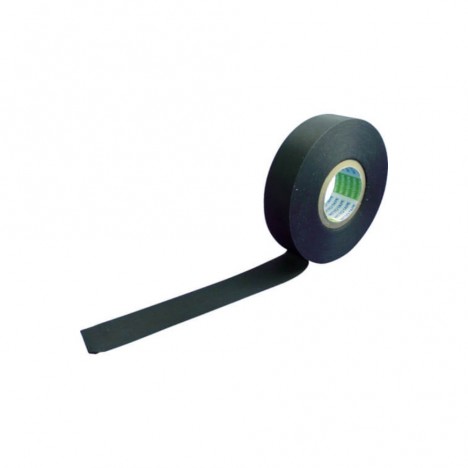


When talking about "Electrical tape" Many people may think of black tape commonly seen for repairs or insulating wires, but you might not know that electrical tape isn't just black! In fact, electrical tape comes in various colors, each with a different meaning defined by international standards to help categorize wire types and reduce errors during electrical system installation or repair.
Electrical tape is essential for electrical and electronic system installations. It not only prevents electrical leakage or short circuits, but also helps organize and clearly identify types of wires, making work more efficient and safer. In this article, we'll introduce you to the different colors of electrical tape, uncover why those colors matter, and guide you on how to choose the right one for your application!
1. Why does electrical tape come in multiple colors?
Electrical tape comes in multiple colors because in electrical systems, the color of the tape serves as a code that helps electricians easily distinguish between different wire types, which reduces wiring errors and increases workplace safety. In addition, it simplifies maintenance and inspections, as individual wires can be identified without unwrapping or testing with tools.

What does each electrical tape color mean?
In international electrical systems, the colors of electrical tape are typically designated according to each country's standards. Generally, widely used colors include:
- Black - Commonly used for general wire wrapping and wire repairs
- Red - Used for phase wires in 220V or 380V electrical systems
- Blue - Used for neutral wires
- Green-Yellow - Used for grounding wires to prevent electric shock and short circuits
- White - Used for neutral wires in some standards, such as US electrical systems
- Yellow - Used for 110V systems or as a special symbol in certain areas requiring an emphasis on safety
- Orange - Used for control wires or special phase wires, especially in industrial electrical systems
- Purple - Used for isolated circuits, such as emergency lighting systems or backup power isolated from the main system
- Gray - Used for neutral wires in some systems, particularly in industrial and high-voltage applications
- Pink - Used in specific industry standards, such as telecommunication systems or machinery control wires, especially in manufacturing plants requiring unique identification
- Light Blue - Used in certain standards to identify data lines or special control wires, such as in electronic systems
- Solid green - In some standards, it may be used for ground wires, especially in certain countries' electrical systems.
2. What industries are different colors of electrical tape used in?
Residential electrical work
- Black: Commonly used for household electrical wiring, suitable for repairing and insulating low-voltage electrical wires.
- Red and Blue: Used to distinguish phase and neutral wires, preventing misconnections and increasing safety during electrical system installations.
- Green-Yellow: Used for ground wires for safety, helping to prevent electric shocks and reducing the risk of electrical leakage accidents.
Industrial electrical work
- Orange: Used for industrial control circuits or cables requiring special signals, such as automated control circuits in machinery.
- Purple: Used for circuits isolated from the main power system for safety, suitable for backup power systems or emergency lighting systems.
- Gray and White: Used in electrical systems requiring greater clarity in industrial areas with high volumes of wiring.
- Pink: Used in telecommunications or automated control systems, commonly found in data centers or large network systems where categorizing signal cables is required.
Automotive electrical systems
- Red: Used for the positive terminal of the battery, helping to easily distinguish polarities during installation and maintenance
- Black: Used for the negative terminal or ground wire, helping to prevent wiring errors and reduce the risk of short circuits
- Yellow and Orange: Used in signal and turn indicator systems to identify types of wiring used for automotive lighting and warning systems
Construction and Outdoor Electrical Work
- Green-Yellow: Used to identify ground wires to prevent electric shock, suitable for installations in buildings and locations with high electrical usage
- White and Gray: Used in certain standards to provide better visibility in areas with high wiring density, making maintenance easier and faster

3. How to Choose the Right Electrical Tape for the Job
Choosing the right electrical tape not only enhances work efficiency, but also ensures long-term safety. Here are the key factors to consider before purchasing:
3.1 Types of Electrical Tape
- PVC Electrical Tape – A commonly used tape with high flexibility and good voltage resistance, ideal for general repair and insulation work
- Rubber Tape (Self-Fusing Tape) – This type of tape is waterproof and self-fusing when wrapped, making it suitable for outdoor applications and areas with high humidity
- Fabric Tape – A highly flexible tape used in the automotive and electronics industries, featuring high resistance to heat and wear
3.2 Tape Size and Thickness
- Thickness: Thicker tape provides greater safety and durability
- Width: Should be selected to suit the size of the wire being wrapped
- Length: Select according to usage requirements to ensure adequate coverage and minimize waste
3.3 Heat and Voltage Resistance Capability
- Tape capable of withstanding high temperatures Suitable for use with electrical appliances and wiring exposed to high temperatures.
- High-voltage resistant tape Should be chosen for applications requiring extra safety, such as industrial electrical work.
3.4 Waterproofing and moisture resistance
If used in high-humidity areas or outdoors, choose electrical tape that offers good waterproof and weather-resistant properties, such as Rubber Tape.
3.5 Brand and safety standards
Choose electrical tape from reputable brands, such as 3M, Nitto, Tesa and ensure it has safety standard certifications, such as UL (Underwriters Laboratories), IEC (International Electrotechnical Commission), or ASTM, to ensure the safety and quality of the product.
3.6 Price and value
- Avoid overly cheap tape, as it may be of poor quality and prone to catching fire or peeling off easily.
- Compare price with quality and standards to get the best product at a reasonable price.

4. How to use electrical tape properly
4.1 Equipment preparation
Before starting to use electrical tape, prepare the following basic equipment:
- Electrical tape suitable for the type of work
- Scissors or utility knife for cutting the tape cleanly
- Screwdrivers and combination pliers If you need to repair electrical wires
- Electrical Insulating Gloves For safety while working with electrical wires
4.2 Proper Steps for Applying Electrical Tape
- Clean the wire surface – If the wire has dust or oil stains, wipe it clean first so the tape adheres firmly.
- Start wrapping from the area that needs protection – Start from the base of the wire that needs protection from electrical leakage.
- Apply moderate tension and wrap tightly – Stretch the tape slightly and wrap it tightly to ensure good adhesion to the wire.
- Overlap the tape by about 50% – To create a tight seal and prevent moisture from penetrating the wire.
- Wrap slightly past the edges of the connection point – To ensure that the electrical insulation is completely sealed.
- Cut the tape neatly – Use scissors or a utility knife to cut the end of the tape, and press down firmly so it stays attached to the wire for a long time.

4.3 Precautions When Using Electrical Tape
- Do not use electrical tape instead of electrical insulation in high-voltage applications. If high-safety insulation is required, use tape certified to industrial standards.
- Do not use electrical tape on severely damaged wires. If the wire is broken or severely frayed, it should be replaced instead.
- Avoid wrapping electrical tape in areas with temperatures exceeding specified limits, as some types of tape may melt or deteriorate quickly.
Conclusion
Electrical tape is far more important than just insulating wires, as specific colors and types are designated for particular applications. Selecting the right electrical tape and wrapping it correctly will enhance workplace safety, reduce the risk of short circuits, and effectively extend the lifespan of electrical systems.
Whether you are a professional electrician or a general user, understanding the colors, meanings, and proper uses of electrical tape will help you choose the right tape correctly and with maximum safety.