


 EN
 ไทย


Customers Also Purchased


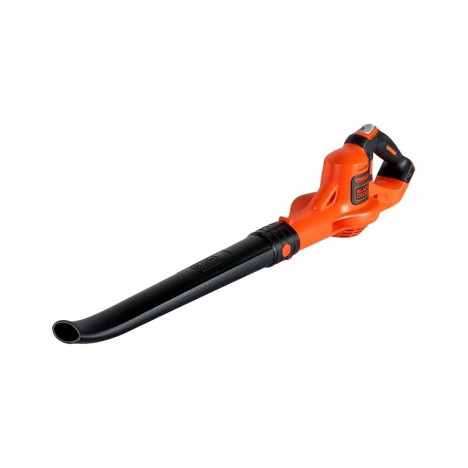

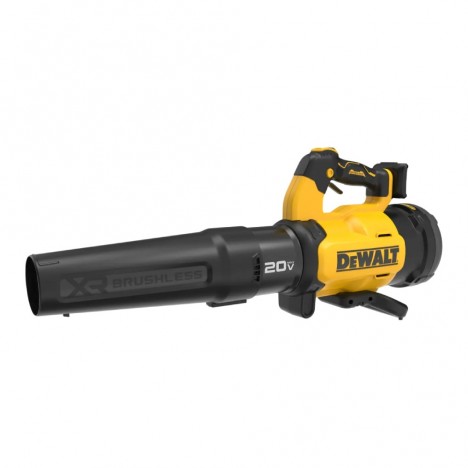
In this article, we take an in-depth look at 5 key factors to consider before purchasing an electric blower, helping you select the best tool for your application. Understanding these key buying factors will enable you to invest in the right tool, work efficiently, and make your tasks much easier—whether for home use, general maintenance, or large-scale industrial operations.
1. Intended Application
Before purchasing an electric blower, you must be clear on your intended use to ensure that the chosen tool properly meets your needs. For instance, you might need a blower for cleaning work areas, blow-drying, or specialized trade tasks. If you need a blower suitable for heavy industrial work, you may need to choose a model with high air speed and high air volume. Meanwhile, for home or general use, a smaller, lightweight, and easy-to-handle model may suffice. Considering your specific purpose will help you choose a blower with specifications that match your needs and provide the best value for your money.
- Cleaning work areas – such as clearing dust or debris from machinery, workbenches, or areas with accumulated dust
- Blow-drying – used for drying surfaces before spray painting or cleaning machinery and equipment prior to operation
- Specialized trade work – such as electronics, construction, or maintenance requiring dust to be blown out of small components
Recommendation:
Choose an electric blower designed specifically for your type of application to get maximum efficiency from the tool. There are many types of blowers, each designed to meet different task requirements, such as general dust cleaning, blow-drying surfaces, removing debris in construction work, or maintaining machinery and electronic equipment.
Before buying, you should consider the blowing power, intended application style, and additional useful features such as vacuum suction capability, dust bags, or adjustable speed settings. Selecting a blower with features aligned with your work will ensure maximum operational efficiency, minimize hassle, and provide greater convenience in the long run.
2. Air Speed and Air Volume
Electric blowers feature different air speed and air volume ratings, which directly impact the tool's performance. Choosing a tool with the right air speed and air volume will help you complete jobs quickly and with maximum efficiency. Consider the air volume (liters per minute - L/min), which defines the volume of air delivered per minute, and the air speed (kilometers per hour - km/h), which indicates the velocity of the air expelled from the tool. Units with high air volume are ideal for clearing dust or debris over broad areas, whereas units with high air speed are suitable for tasks requiring powerful concentrated airflow, such as blowing dust out of deep crevices.
- Air Volume (L/min – liters per minute) – Determines the volume of air discharged by the unit; a higher L/min clears dust or debris more effectively.
- Air Speed (km/h – kilometers per hour) – Determines the velocity of the expelled air, which is crucial for tasks requiring high air force.
Recommendation:
Choose a blower with an air speed and airflow volume suitable for your work by considering the type of dust or debris you need to blow. For light dust or fine particles, a machine with high airflow volume but medium air speed may be sufficient. Meanwhile, if you need to blow heavier dust or larger debris, you may need to choose a machine with both high airflow volume and high air speed for maximum efficiency.

3. Size and Weight of the Machine
Electric blowers come in various sizes, ranging from small portable models suitable for general use to large, high-performance industrial models. Choosing the right size and weight affects ease of use. Smaller machines are typically lightweight, easy to carry, and can be used in tight spaces, while larger machines deliver greater blowing power but are heavy and require adequate storage space. Therefore, selecting the right size should take into account the workspace, frequency of moving the tool, and the workload to ensure full operating efficiency.
Things to Consider:
Working Area – If you need to use it in tight spaces or move it frequently, choose a compact and lightweight machine.
Portability – If you need to use it across multiple spots over a large area, choose a machine with a comfortable handle or a shoulder strap.
Recommendation:
Don't forget to test-hold and try it before purchasing to ensure you can operate it comfortably and that it suits your work.

4. Additional Features, such as Vacuum Function and Dust Bag
Today's electric blowers do not just blow air; they also come with additional features that increase convenience, such as a vacuum function that can substitute for a vacuum cleaner in certain cases, or a dust bag that helps reduce dust scattering during use. Having these extra functions makes the blower more versatile and suitable for a wider variety of applications.
Things to Consider:
- Vacuum Function – Some blower models can switch from blowing mode to vacuum mode, which is ideal for cleaning small areas such as work desks or electronic equipment.
- Dust Bag – Helps reduce dust dispersion during operation, making cleaning much more efficient.
- Dust Filtration System – Some blower models feature a filtration system that prevents dust from accumulating inside the motor and extends the machine's lifespan.
Recommendation:
If you need to use the blower for tasks requiring high cleanliness, such as indoor home cleaning or electronic equipment maintenance, choose a model with additional features like a vacuum system or a dust bag for convenience and reduced dust scattering.
5. Price and Warranty
When purchasing an electric blower, you shouldn't just look for the cheapest price, but also consider value for money and the manufacturer's warranty. Check whether the blower has features and functions that meet your needs, including material quality, service life, and maintenance support. Additionally, choose a blower with good after-sales service and easily accessible service centers to ensure that you can conveniently seek help if problems arise. Selecting a tool with a long warranty also boosts your confidence during use.
Things to Consider:
- Budget – Choose a machine of good quality and good value for money; there's no need to buy the most expensive model if you won't use all the extra features.
- Warranty and After-Sales Service – Check whether the manufacturer provides a product warranty and has service centers capable of repairs.
Recommendation:
To ensure that the selected blower is worth the price and matches the advertised quality, research information on the manufacturer's website and check real user reviews. Furthermore, consulting experienced users or professional technicians can help you get accurate advice suited to your specific application.

Conclusion
A blower is an extremely useful tool for cleaning and maintaining various equipment. Choosing the right blower not only makes your work more efficient, but also saves energy and reduces long-term costs. Key factors to consider before purchasing include intended application, air speed and airflow volume, machine size and weight, additional functions, price, and warranty. Choosing a blower that meets your needs will allow you to make the most of it and ensure that the equipment you purchase has a long service life, making it a worthwhile long-term investment.
Select Blowers to suit the application