


 EN
 ไทย


Customers Also Purchased
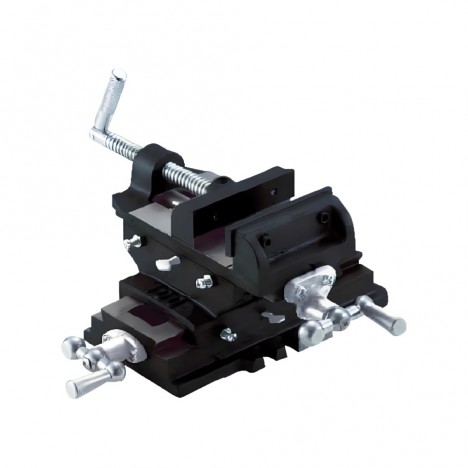
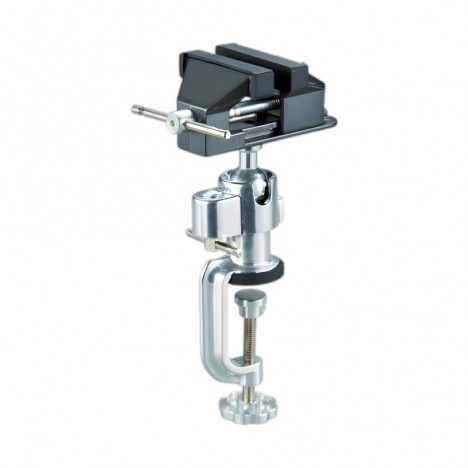
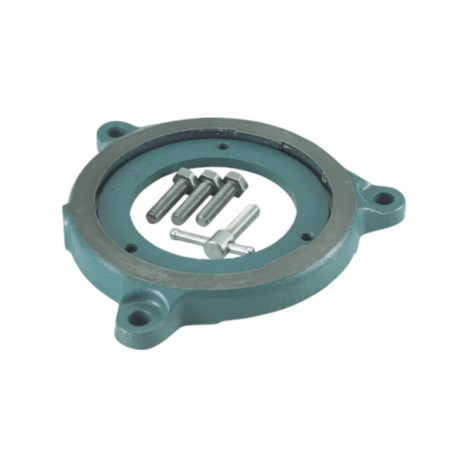


A vise is a clamping tool mounted to the worktable of machine tools during operation, whether for cutting, drilling, sanding, or assembling various parts. It is equipment that enhances accuracy and safety for all types of craftsmanship.
However, improper use can cause the workpiece to slip, resulting in imprecise work and potential risks of accidents, such as the workpiece coming loose during operation or being clamped too tightly and sustaining damage. To ensure effective vise use, in this article I will share key techniques for using a vise correctly and securely to prevent the workpiece from moving during work, allowing you to operate with greater confidence and safety.

1. Choose the Right Type of Vise
1.1 Bench Vise
Suitable for general work such as metalworking, woodworking, and assembling various parts, whether for repair work, structural fabrication, or furniture assembly. This type of vise can accommodate materials of various sizes, provides sufficient clamping force for jobs requiring precision, and helps make work more convenient and safer.
It can be permanently mounted on a workbench for stability using mounting bolts or clamped securely to reduce movement during operation. In addition, you should choose a stable and sturdy surface, such as a workbench made of metal or thick wood, to handle the clamping force from the vise effectively. You should also check the workbench level and mounting position for comfortable use to reduce operator fatigue and improve work accuracy.
1.2 Woodworking Vise
Specially designed for clamping wooden workpieces without damaging the wood fibers by using jaws with dedicated resting surfaces, which help reduce pressure that could cause dents or cracks. Additionally, the clamping pressure can be adjusted to suit the type of wood being used, whether softwood or hardwood, to achieve just the right clamping force without deforming the workpiece during operation.
Features jaws that help distribute pressure to prevent dents by using suitable jaw pads, such as wood or rubber pads, to reduce excessive pressure. This also helps clamp workpieces more securely without damaging the material surface or leaving deep marks from the pressure of the jaws.
1.3 Metalworking Vise
Features a heavy-duty structure made of materials resistant to high pressure, such as cast iron or steel, to support applications requiring high clamping force and impact. It is suitable for heavy metalworking tasks requiring high precision in workpiece clamping. Additionally, it resists torque and heat from welding or grinding processes, ensuring long service life and high safety.
Can withstand heat from welding or grinding without deforming or softening. The materials used to manufacture this type of vise are usually cast iron or heat-resistant coated steel, making it safe for use in high-temperature conditions. It also helps hold the workpiece firmly even during welding where sparks or intense heat are emitted.
2. Adjust Clamping Pressure to Match the Clamped Material
2.1 Fragile Materials Such as Softwood and Plastic
Moderate clamping pressure should be used, taking into account the strength of the clamped material. Avoid over-tightening, as it may cause the workpiece to crack, deform, or leave irreversible dents. In addition, appropriate jaw pads such as rubber or wood should be used to help distribute pressure, reduce the chance of damage, and increase clamping stability.
Use jaw pads, such as rubber or wood pads, to distribute pressure evenly across the workpiece, helping reduce damage caused by excessive pressure, especially with fragile materials. In addition, jaw pads help prevent dents and scratches, and reduce friction that could cause the workpiece to slip during clamping, ensuring that the workpiece stays securely and properly positioned during operation.
2.2 Hard Materials Such as Metal
High clamping force can be used to keep the workpiece tight and stationary during operation. The clamping force should be adjusted appropriately for the size and weight of the workpiece to prevent deformation or damage. In addition, suitable jaw pads, such as metal or reinforced rubber pads, should be used to increase friction and improve clamping efficiency. You should also ensure that the vise jaws grip the workpiece over the full contact area to reduce the chance of slippage during work.
Ensure that the vise jaws grip the workpiece across the full surface area to prevent slipping. The position should be adjusted so the jaws sit flush against the entire surface of the workpiece, eliminating gaps that could allow movement. Furthermore, selecting the right pads for the material being clamped—such as rubber pads for fragile materials or metal pads for high-pressure applications—will improve clamping efficiency and reduce wear on the jaws.

3. Use vise jaw pads to reduce pressure and increase stability
3.1 Rubber pads
Helps reduce excessive pressure and prevents scratches that may occur during workpiece clamping, especially with delicate materials such as softwood, plastic, or thin sheet metal. In addition, it helps distribute pressure evenly, reducing the risk of material deformation and keeping the workpiece securely positioned without requiring excessive clamping force.
Suitable for woodworking and materials requiring high care, such as softwood, furniture work where surfaces need protection against scratches, and materials with special surface coatings that could be damaged by direct pressure. Using rubber pads reduces the risk of dents and makes clamping more effective.
3.2 Wooden pads
Used for woodworking where dents must be prevented, such as high-detail work like furniture making, wood carving, or tasks requiring smooth and mark-free wood surfaces. Additionally, wooden pads increase friction, helping keep the workpiece firmly in place and reducing the chance of workpiece movement during work.
Helps distribute pressure evenly to eliminate pressure points that could damage the workpiece, while improving clamping efficiency for a tighter grip and reducing the chance of the workpiece slipping during operation.
3.3 Metal pads
Suitable for metalworking that requires strong clamping hold, especially operations demanding high pressure and precise machining such as grinding, welding, and machine assembly. Bench vises for metalworking are typically made of highly durable materials, such as cast iron or steel, to resist wear and absorb impacts effectively. Additionally, you should choose a vise with replaceable jaws for greater convenience when adapting to different tasks.
Prevent vise jaw wear by using appropriate backing materials, such as rubber or metal pads that help distribute pressure, reduce friction, and prevent scratches. In addition, regularly clean and lubricate the jaws to reduce friction and extend equipment service life.

4. Inspect and adjust the bench vise before use
4.1 Check jaw cleanliness
Clean away dust, metal shavings, or dirt that might reduce gripping force by using a soft brush, dry cloth, or air blower to remove debris that could accumulate along the jaws and vise clamping surfaces. Avoid using chemicals that could corrode metal surfaces, and clean regularly after use to ensure the bench vise operates efficiently and to prolong its service life.
Use a soft brush or microfiber cloth to wipe clean before every use to remove dust, oil stains, or debris that may adhere to the bench vise jaws, which could affect clamping firmness. Regular cleaning also prevents dirt buildup that can cause the vise to deteriorate faster.
4.2 Check the tightness of screws and joints
Regularly check whether fastening screws are sufficiently tight by ensuring all screws are securely tightened and not loosened by vibration or clamping pressure. If any screw is found loose, use an appropriate tool such as a wrench or screwdriver to tighten it. In addition, inspect screw conditions periodically; replace them if there are signs of wear or rust to ensure the vise operates efficiently and safely.
If there are loose parts, tighten them securely before starting work using appropriate tools like a wrench or screwdriver to prevent loosening that could cause the workpiece to shift during use. Periodically check to ensure all parts remain tight and ready for safe operation.
4.3 Properly adjust the vise height and alignment
Make sure the workpiece is properly positioned before starting work, placing it stably and centered in the bench vise jaws to reduce the risk of tilting or slipping out during operation. Furthermore, ensure the contact surface of the workpiece sits flush against the jaws to distribute clamping force evenly and minimize pressure that could cause surface damage.
Adjust to match the work posture to reduce fatigue, taking into account proper ergonomics and easy access to the workpiece—such as adjusting the vise height to eye or hand level for precise tool control. Additionally, selecting a workbench height appropriate for the task helps reduce muscle strain and fatigue from long hours of work.
5. Special Techniques for Specific Applications
5.1 Metal Welding
Use a heat-resistant bench vise that can rotate to adjust angles and has high-pressure jaws to clamp workpieces securely, reducing vibration during welding. Additionally, choose a vise with a coating that protects against sparks and heat to prevent wear from the welding process and extend its service life.
Ensure the workpiece is properly positioned before you begin welding, making sure it is clamped firmly and at the correct angle for an accurate weld seam. In addition, check the joint clearance between workpieces to ensure a complete weld and reduce errors that may result from misaligned joints or movement during the process.
5.2 Wood or Metal Drilling
Use the right clamping force to minimize vibration during drilling. Adjust the pressure sufficiently to keep the workpiece secure, but not so tight that it causes warping or damage. Furthermore, use appropriate vise jaw pads, such as rubber or wooden pads, to help absorb recoil and vibrations that could cause drilling errors or workpiece shifting during operation.
Use pads to prevent workpiece slippage by selecting materials with good grip, such as non-slip rubber pads or silicone vise pads. These increase friction and keep the workpiece from slipping out during work. In addition, using pads helps reduce vibrations generated during drilling or sanding, allowing for more precise control.
5.3 Sanding and Finishing
Adjust the clamping force to the proper level to minimize workpiece vibration during sanding. Apply pressure suitable for the type of material and surface characteristics. Excessive clamping force can deform or scratch the workpiece, while too little pressure may cause vibration and inefficient sanding. In addition, use appropriate jaw pads, such as rubber pads or pressure-distributing pads, to absorb impacts and achieve a smoother, more consistent finish.
Use appropriate pads to prevent clamping damage, such as rubber, wood, or soft metal pads. These distribute the pressure evenly, reducing the risk of dents or scratches on the workpiece. Furthermore, using pads increases friction, keeping the workpiece held firmly in place and minimizing the risk of slipping or moving during operation.
Conclusion
Clamping your workpiece tightly and preventing it from shifting during operation is essential for increasing precision and safety. The techniques presented in this article can help you use your bench vise more effectively—from choosing the right type and adjusting clamping pressure, to using jaw pads, checking setups, and applying specialized techniques for various tasks. Regular maintenance of your bench vise will also ensure a longer service life and better value from your tool.