


 EN
 ไทย


Customers Also Purchased
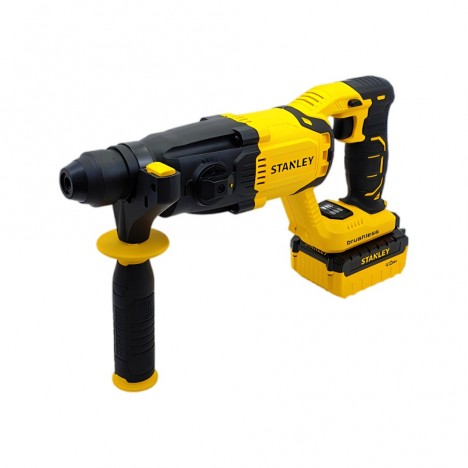
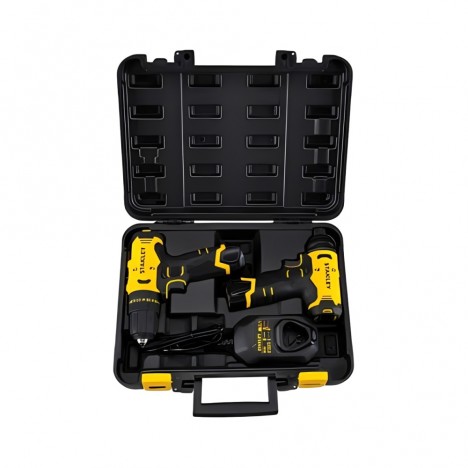
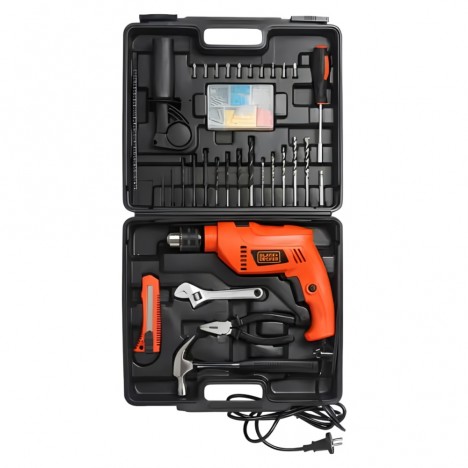


Electric drills It is an essential tool that makes various tasks easier, whether in construction, woodworking, metalworking, or general maintenance. Because it runs directly on household electrical power, it allows for longer work sessions without the worry of running out of battery like cordless drills. Moreover, it offers stable torque and high wattage, making it easier to drill through hard materials and ideal for applications requiring prolonged, continuous use. Additionally, corded electric drills are highly durable and can last a long time with proper care and maintenance.
Beyond superior power and performance, electric drills can also accommodate various accessories, such as keyless chucks or speed control systems to match different materials. Having these options allows users to adapt to versatile applications and tackle all types of mechanical work.
Choosing the right electric drill is crucial, as selecting a tool with insufficient power may result in poor performance and an increased risk of accidents. Therefore, this article presents the key factors to consider when purchasing a heavy-duty electric drill, ensuring you get a cost-effective tool that best meets your operational needs.

Types of Electric Drills
Excluding rotary hammers and bench drills, corded electric drills can generally be divided into two main types, each with its own characteristics and suitable applications. Choosing the right drill will make your work much more convenient and yield more efficient results. In this section, we will explain both types of electric drills along with guidelines on choosing the one best suited for your specific task, as each type is designed for different applications.
1. Standard Electric Drill (Corded Drill)
This type of electric drill is popular for general tasks due to its compact size, ease of use, and ability to drill through various materials such as wood, metal, and plastic. Generally, this type features a motor with enough power for home repairs, DIY projects, and light industrial work. However, standard electric drills are not suitable for drilling concrete or hard masonry materials because they lack a hammer mechanism to penetrate high-hardness materials. For harder materials, an impact/hammer drill should be chosen instead.
2. Corded Hammer Drill / Impact Drill
A hammer drill is a tool designed to efficiently drill through hard materials such as concrete, brick, or stone. It features a hammer mode that adds thrust and impact force to the drill bit, making it easier to penetrate hard materials. This type of drill is ideal for construction, home renovation, and various installation tasks that require high power and precision. Additionally, it allows switching between standard drilling mode and hammer mode, providing greater versatility.

When the hammer mode is switched off, a hammer drill functions similarly to a standard drill, making it suitable for drilling wood, metal, or plastic. However, hammer drills are typically heavier than standard drills and may cause quicker fatigue during prolonged, light-duty use.
Factors to Consider When Choosing a Heavy-Duty Electric Drill
When purchasing a heavy-duty electric drill, there are several factors to consider to ensure that the drill you choose can handle your workload efficiently and safely. Considering these factors will not only maximize work efficiency, but also help extend the tool's lifespan.
1. Drill Size
The size of an electric drill is a key factor affecting ease of use and tool performance. Generally, electric drills come in different sizes depending on their type and application; for example, smaller drills are suitable for general tasks requiring maneuverability, while larger drills are ideal for heavy-duty jobs demanding high torque. Key considerations regarding electric drill size include:
- Chuck Size: Chuck sizes are typically 6.5 mm (1/4 inch), 10 mm (3/8 inch), and 13 mm (1/2 inch), which determine the sizes of drill bits that can be used.
- Tool Weight: The weight of the drill affects control and user comfort. If using it for extended periods, choose a lightweight drill to reduce fatigue.
- Balance and Ergonomics: The size and shape of the drill should provide a comfortable grip and easy control, especially when working in tight spaces or confined corners.
2. Wattage
The motor power of an electric drill directly affects work efficiency. A higher wattage typically means a more powerful motor, making it easier to drill through harder materials and reducing the chance of the motor overheating or being overloaded. For heavy-duty use, you should choose a drill with a power rating of 700 watts or higher to ensure the electric drill can efficiently penetrate hard materials. In addition, selecting the appropriate wattage helps reduce energy consumption and extends the tool's lifespan.
3. Torque
Torque is another crucial factor when choosing an electric drill, especially when drilling through hard materials or driving large screws. Higher torque allows for easier penetration through dense materials and reduces the pushing force required by the user. In addition, sufficient torque helps prevent the drill bit from binding or causing material damage. For heavy-duty work, you should choose a drill with torque control so you can adjust the torque level to suit the task. However, having high torque without proper control can cause kickback issues or excessive shock to the wrist. Therefore, you should consider a drill equipped with an intelligent torque control system to minimize risks during use, especially when drilling hard materials or driving large screws.
4. RPM (Revolutions Per Minute)
Choose an electric drill with variable speed to control the operation according to the type of material being drilled. Typically, heavy-duty electric drills have an RPM range of 0-3,000 RPM, allowing you to drill through different materials efficiently. For example, lower speeds are suitable for drilling metal or driving screws, while higher speeds enable faster drilling through wood or plastic. Additionally, some electric drill models feature automatic speed adjustment or a speed lock system for user convenience and safety.

5. Chuck Type
Keyed Chuck: Suitable for heavy-duty work because it grips the drill bit tightly and does not slip easily.
Keyless Chuck: Ideal for jobs requiring frequent bit changes, but it does not grip as tightly as a keyed chuck.
6. Operating Modes
- A heavy-duty electric drill should feature a variety of operating modes, such as:
- Rotary drilling mode
- Impact mode
- Screwdriving mode (some models feature torque adjustment for screwdriving)
7. Materials and Build Quality
Choose an electric drill with a sturdy, durable housing that dissipates heat well to minimize heat buildup during continuous use. Additionally, the body material should be high-grade metal or impact-resistant plastic to withstand heavy-duty use without easily suffering damage. You should also choose an electric drill with electrical insulation and dust protection to prevent debris from entering the motor, extending its lifespan and reducing the risk of tool damage.
8. Cooling System
Heavy-duty tasks often require prolonged drilling, so you should choose an electric drill with proper ventilation slots. An effective cooling system allows continuous operation without motor burnouts or tool shutdowns. Furthermore, you should select a drill with an intelligent thermal protection system that automatically cuts off power when the temperature is too high, ensuring long-term operational safety.

9. Safety
Safety features are essential, such as:
- Switch lock-off system to prevent accidental starting
- Automatic speed control system
- Overheat cutoff protection system
Conclusion
Choosing a heavy-duty electric drill requires considering multiple factors to ensure you get the right tool for the job. For heavy-duty applications such as construction or renovation involving drilling into concrete and metal, opt for a drill with high wattage, hammer mode capability, and an effective heat dissipation system to prevent the motor from overheating during continuous use. Additionally, smart thermal protection and a switch lock-off mechanism will enhance safety on the job and minimize the risk of accidents.
When selecting Electric drills Once you have the right tool and maintain it properly, you can work faster, exert less effort, and operate with greater safety, leading to a smooth and highly productive workflow.