


 EN
 ไทย


Customers Also Purchased


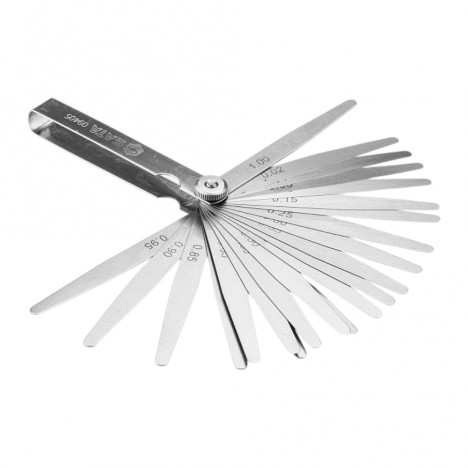

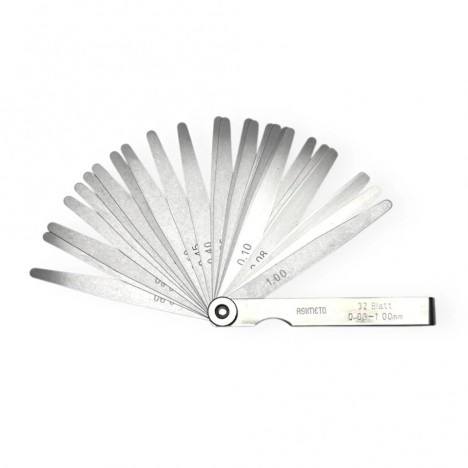
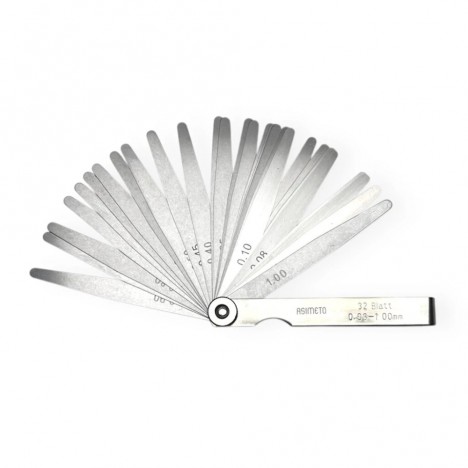
Feeler gauge (Feeler Gauge) is an essential measuring tool in various trades, especially for high-precision tasks such as automotive, metalworking, and industrial applications. A feeler gauge allows for detailed measurement of gaps or clearances between parts—particularly crucial when checking clearances that impact machine operation, such as engine valve lash or gear-and-bearing clearances in mechanical equipment. Proper use of a feeler gauge reduces the risk of assembly and repair errors, enabling machinery to operate efficiently and extending its service life.
What is a Feeler Gauge?
Definition of a Feeler Gauge
A feeler gauge is a measuring tool used to check gaps or clearances between two surfaces. It typically consists of several thin metal blades of varying thicknesses, which can accurately measure specific gaps—especially in applications requiring precise clearance control, such as engine valve adjustments, machinery bearing clearance measurements, and metal surface inspections prior to welding. Additionally, feeler gauges can be used to verify the consistency of parts requiring tight, seamless assembly to minimize wear and enhance the operating efficiency of mechanical systems.
Components of a Feeler Gauge
- Thin metal blades of varying thicknesses made from high-quality materials like stainless steel to prevent rust and extend service life. These blades are designed to be flexible enough for various applications.
- A holder or case that houses the metal blades together, designed for a comfortable grip and easy selection of the desired blade.
- Markings that clearly indicate the thickness of each blade, engraved deeply or laser-etched to resist fading over long periods of use, allowing precise selection of the appropriate blade for the job.

Types of Feeler Gauges
Feeler gauges come in several types suited for different applications, each designed to meet specific needs—such as high-precision gap measurement in automotive, metalworking, or even electronics industries. Selecting the right feeler gauge not only ensures accurate measurements but also minimizes errors and improves the performance of assembled components. The main types of feeler gauges include:
Leaf Feeler Gauge Set
- Consists of multiple metal blades of different sizes folded together, with varying thicknesses ranging from micrometers to millimeters, allowing selection based on specific requirements.
- Easy to use and convenient to carry, featuring a fan-style folding design that nests the blades together for compact storage and protects the measuring leaves from damage.
- Suitable for general gap measurement, such as setting engine valves, checking clearances between machine parts, and verifying proper metal component assembly.
Single Blade Feeler Gauge
- Features a single blade that can be selected as needed, making it convenient to switch thickness sizes according to measurement requirements.
- Ideal for tasks requiring high precision in a specific thickness range, such as engine valve clearance adjustment, quality inspection of component assembly in manufacturing industries, and measuring hard-to-reach gaps without using a set-type feeler gauge.
Tapered Feeler Gauge
- Features a tapered or curved profile for easy access to confined spaces, with blades that are typically thinner and more flexible than other types of feeler gauges, allowing them to slide easily into small gaps.
- Used in confined space applications, such as engine valve gap measurements, inspecting mechanical part clearances in hard-to-reach areas, and assembling small devices in the electronics industry.
Digital Feeler Gauge
- Uses an electronic system for reading values, featuring a digital display that accurately presents thickness measurements in micrometers or nanometers.
- Provides high accuracy and minimizes user error by reducing discrepancies caused by visual estimation, with the ability to automatically record measurement data for subsequent verification or comparison.

How to Use a Feeler Gauge
Select the appropriate blade
Select a feeler gauge blade with the thickness matching the desired measurement specification, referencing the equipment or machinery user manual. If unsure, start with a thinner blade and gradually increase thickness until a snug fit is achieved. Take multiple measurements to verify accuracy, and ensure that measurements are not distorted by applying excessive pressure, which can yield inaccurate results.
Insert the feeler gauge blade into the gap
Insert the metal blade between the parts to be measured, applying a moderate amount of pressure so the blade slides in without forcing it, yet not so loose that it has excess play. When the feeler gauge blade moves smoothly with slight drag and without binding or looseness, it indicates the correct size. If the feeler gauge binds or is too tight, try a thinner blade until the most accurate fit is found.
Read the thickness value
Check the number marked on the feeler gauge blade to record the reading, ensuring the markings are clearly legible and not worn away. Then compare the obtained value against the standard specifications in the machine's manual or reference documentation. If the measured value falls outside acceptable tolerances, component adjustments or setting recalibrations may be necessary to ensure optimal machine performance.
Inspect and adjust
If the obtained value does not meet the specified standards, components may need adjustment by modifying assembly tightness, inspecting parts for wear or deformation, and selecting a more appropriate feeler gauge blade thickness. Additionally, consider using complementary measuring tools to ensure the highest accuracy and precision.
Factors to Consider
- Material: You should choose a feeler gauge made of stainless steel for resistance to rust and corrosion, especially when working in high-humidity environments or in contact with oils and chemicals. In addition, stainless steel gives the feeler gauge blades durability and long-term wear resistance, ensuring accurate and continuous use over a long period.
- Thickness Range: Choose a set that best covers your required measurement values. Feeler gauges typically come in various thickness ranges from 0.02 mm up to 1 mm or more, allowing you to select according to your needs. Ensure that your required thickness values fall within the supported range for maximum accuracy, especially in high-precision tasks such as setting engine valves or checking clearances in critical assembly work.
- Brand and Quality: Choose a quality brand for accuracy and long service life. Feeler gauges produced by reliable manufacturers generally undergo high-standard manufacturing processes and use durable materials, helping to reduce wear and maintain precision over time. Additionally, some brands feature anti-rust coatings and ergonomic designs for easier use—such as specially contoured handles for a firm grip or clear, wear-resistant etched markings. Opting for a reputable brand also ensures compatibility with international standards, delivering precise measurements in tasks demanding high detail.

Applications of Feeler Gauges in Various Industries
Automotive & Mechanical Work
Used for measuring engine valve clearances, which is a crucial part of tuning engines for optimal performance. They can also be used to inspect piston-to-cylinder clearances as well as gaps in high-precision components such as bearings, crankshafts, and engine gears. Feeler gauges help minimize the risk of damage caused by incorrect adjustments, which could otherwise affect the engine's lifespan.
Metalworking and Machining
Helps accurately measure gaps between metal parts, especially in tasks requiring tolerance control down to the micrometer level—such as setting metal die clearances, checking mating surfaces for a flush fit during manufacturing, and analyzing wear on moving contact parts. Feeler gauges also allow you to verify weld quality and component assemblies that require precise spacing for maximum equipment efficiency.
Electronics
Used to check lead spacing on electronic components to ensure they meet standard manufacturing and PCB assembly specifications. Using a feeler gauge helps verify pin clearances on electronic components like ICs, resistors, and capacitors to ensure proper installation, reduce the risk of short circuits, and improve precision during soldering or circuit connections. It can also be used to inspect gaps in electrical connectors and terminals to prevent potential technical issues caused by loose connections.
Conclusion
A feeler gauge is an indispensable tool for mechanics and industrial tasks requiring high precision. Proper selection and maintenance will help extend its service life and improve measurement accuracy. Therefore, if you work in a related field, a feeler gauge is a must-have tool to keep on hand.