


 EN
 ไทย


Customers Also Purchased


What is a Laser Distance Meter?
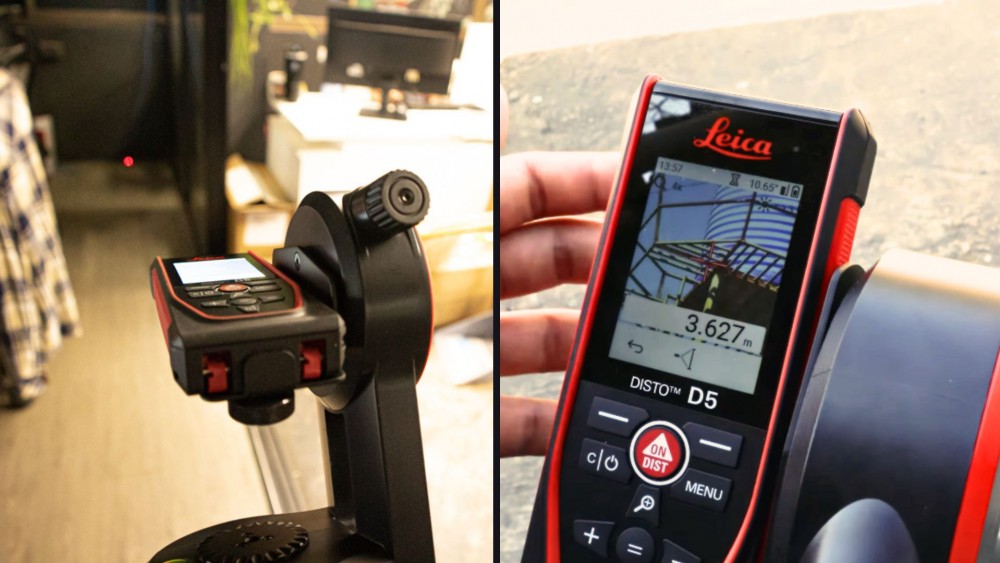
Working Principle of a Laser Distance Meter
Operating Process of a Laser Distance Meter
- Laser Emission – The device emits a laser beam toward the target.
- Light Reflection – When the laser beam hits the target surface, it reflects back to the sensor.
- Distance Calculation – The internal system uses the travel time of the light to calculate the distance from the device to the target.
- Display – The calculated distance value is displayed on the meter's screen.
Factors Affecting the Accuracy of a Laser Distance Meter
- Operating Environment – Using it in bright sunlight may reduce the effectiveness of the laser beam.
- Target Surface Material – Reflective surfaces such as glass and metal may cause measurement errors.
- Target Distance – Some laser distance meter models may have limitations on the maximum measurable distance.
Additional Technologies That Enhance Measurement Accuracy
- Automatic Target Detection System – Helps lock onto targets even at long distances.
- Tilt Angle Compensation Function – For measuring in environments with sloped surfaces.
- Mobile App Connectivity – Enables easier data storage and calculations.
With continuously advancing technology, laser distance meters can support more complex tasks, including measuring in the dark, calculating area and volume, and processing data digitally. This enhances convenience for users and allows data to be used accurately in analysis and design work.
Advantages of a Laser Distance Meter
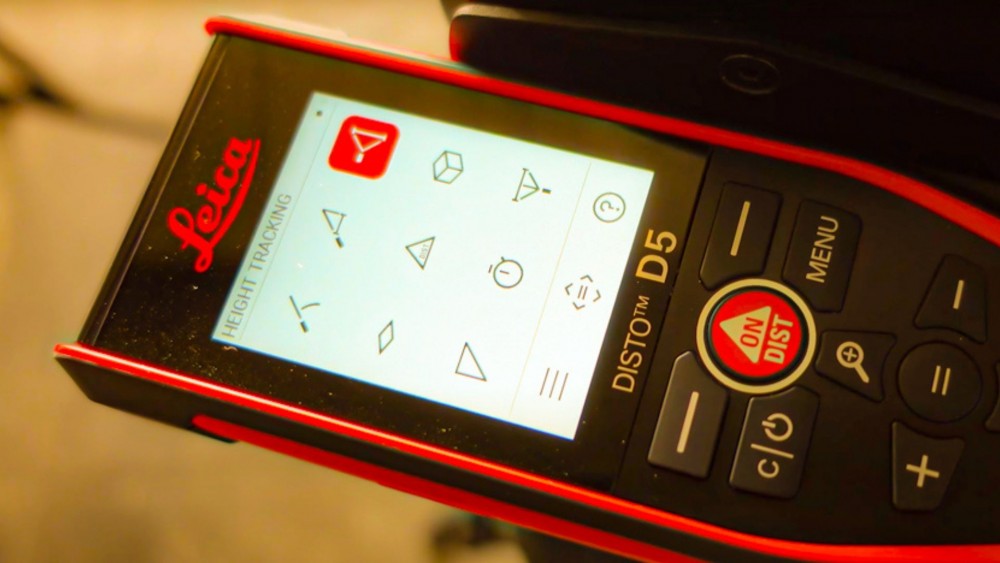
Laser distance meters offer advantages that make them essential tools across various industries due to their ability to measure distances quickly and accurately. These devices are designed to suit diverse working environments, whether in construction, surveying, or design. Additionally, they provide greater convenience for users, reduce errors associated with traditional measurement methods, and improve overall operational efficiency.
- High Accuracy – Low error margin, typically around ±1-2 mm.
- Easy and Fast to Use – No need for an assistant to hold the other end; simply press a button to measure the distance instantly.
- Long-Distance Measurement – Some laser distance meter models can measure distances of over 200 meters.
- Supports Calculation Functions – Enables automatic calculation of area, volume, and height.
- Reduces human error – Helps minimize reading errors often encountered with traditional measuring methods.
- Usable in confined spaces – Does not require extra clearance to extend a tape measure.
Frequently Asked Questions about Laser Distance Meters
1. Can laser distance meters be used outdoors?
Laser distance meters can be used outdoors, but very bright sunlight can interfere with the laser reflection, potentially causing measurement inaccuracies. Solutions include using models equipped with specialized sunlight-reduction features or utilizing laser target plates to improve outdoor measuring accuracy.
2. Can laser distance meters measure angles?
Some laser distance meter models feature an angle measurement function, which can be paired with a tripod for greater angular accuracy. However, for higher precision angle measurements, dedicated tools such as digital inclinometers or specialized angle finders designed for fine measurements may be required.
3. How long do laser distance meters last?
Laser distance meters can last for many years depending on proper care, such as avoiding drops/impacts, moisture, and dust that could damage the laser sensor. Lifespan also depends on material quality and usage patterns. Operating the tool properly and storing it in a mild environment helps extend its service life.
4. Are laser distance meters eye-safe?
Most laser distance meters are safe for the eyes under normal operating conditions. However, you should never look directly into the laser beam, as this can cause irritation or eye damage. When working at close range, exercise extra caution to prevent potential hazards to your eyes.
Conclusion
A laser distance meter is a device that simplifies distance measurement with high accuracy and user convenience. Ideal for construction, engineering, surveying, interior design, and electrical installation, its comprehensive functions—such as calculating area, volume, and height—make work faster and more efficient. It also eliminates the hassle of traditional measuring methods requiring tape measures or accessories, allowing users to operate with greater flexibility in any scenario, whether indoors or outdoors in various lighting conditions.
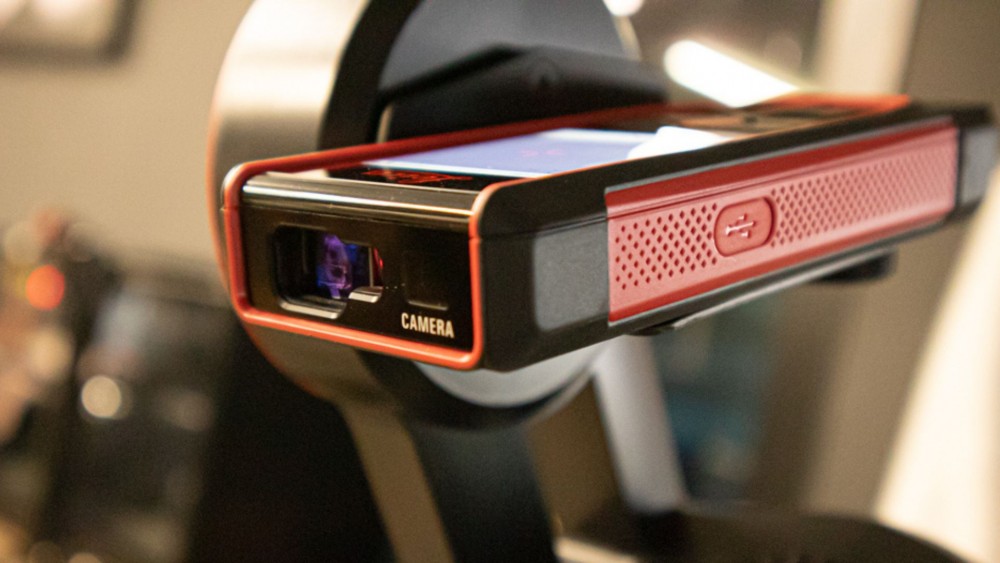
With continuous technological advancements, today's laser distance meters offer versatile capabilities to meet a wider range of needs. Some models can connect to smartphones or dedicated apps to log measurements and analyze data accurately, providing greater convenience for engineers, technicians, and everyday users who need to store and share measurement data effortlessly.
Choosing to use Laser distance meter Consider your job requirements, such as measuring range, accuracy, special functions, and operating environment, to achieve the best results. Additionally, consider the sensor quality and build materials to ensure the device is durable and capable of long-term continuous use.