


 EN
 ไทย



Customers Also Purchased
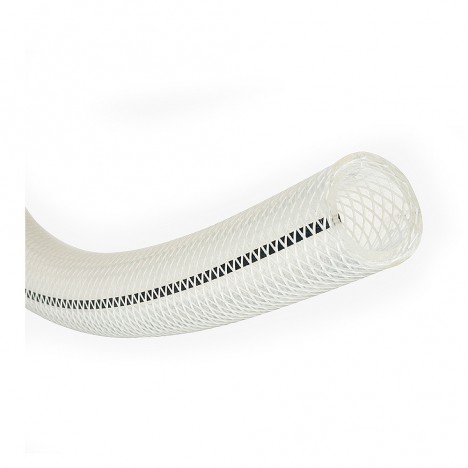
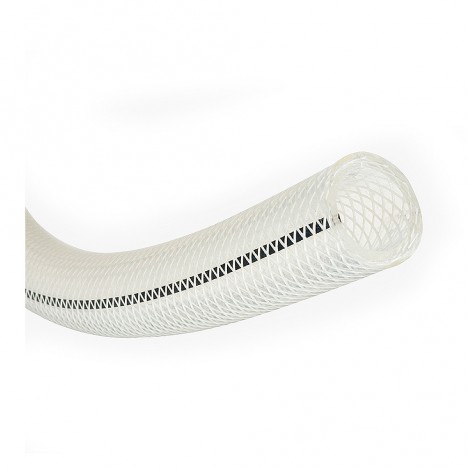
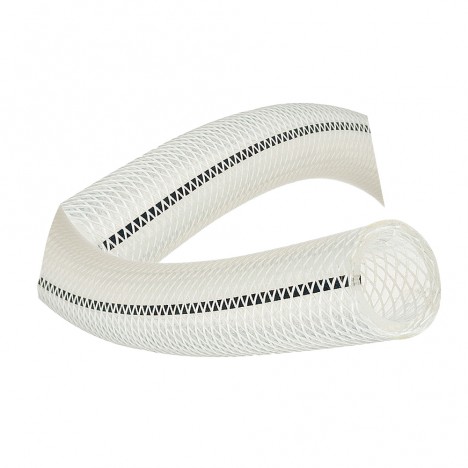
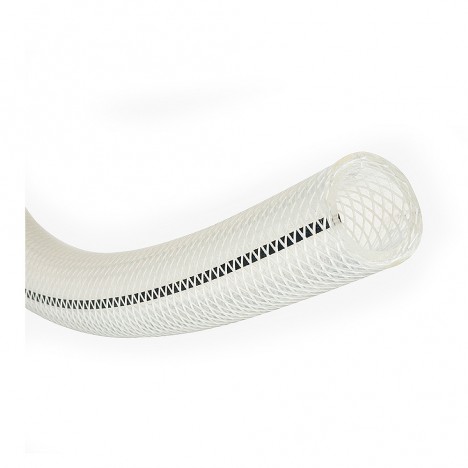
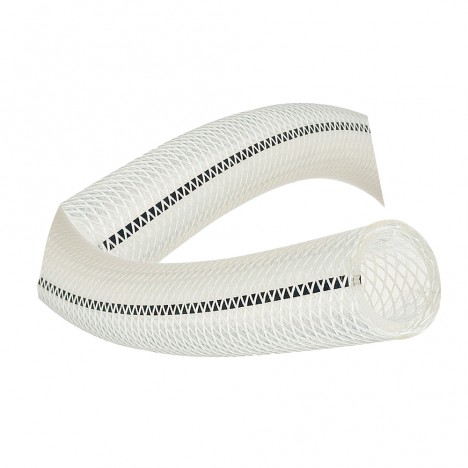
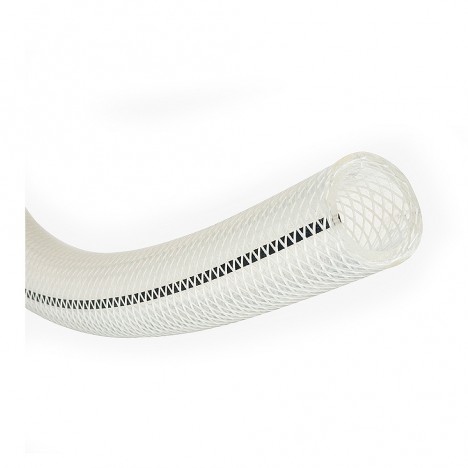
1. What is a food grade hose?
1.1 Key properties of food grade hoses
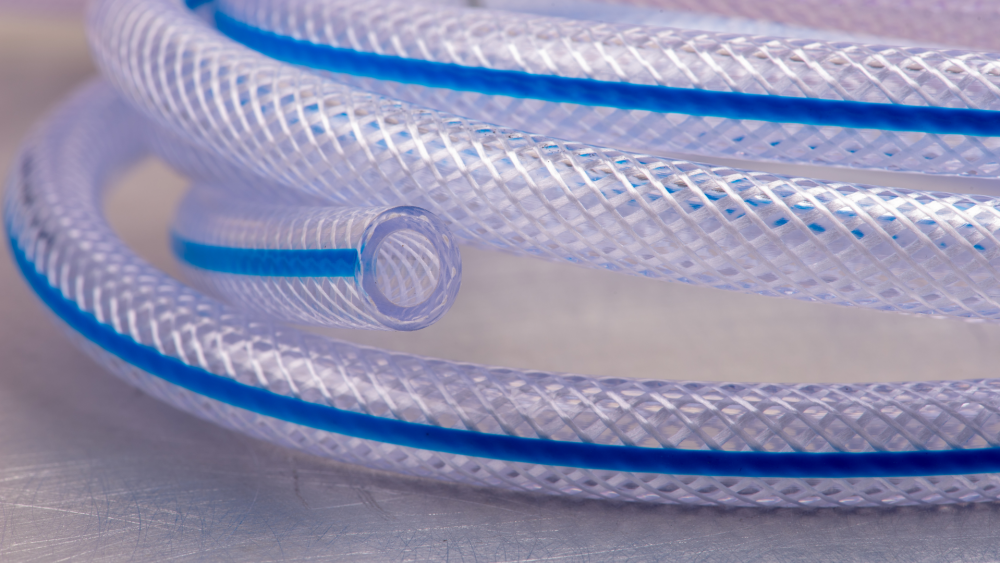
2. Why food-grade hoses are crucial for the food industry
2.1 Consumer Safety
2.2 Compliance with laws and international standards
2.3 Long-term risk and cost reduction
2.4 Enhancing brand image and trust
3. Popular materials used for manufacturing food-grade hoses
- Good flexibility, free from harmful additives (Phthalates)
- Suitable for liquids that are not at very high temperatures (typically in the range of -5°C to +65°C, or slightly higher for some models)
- Affordable price, easy to find
- Wide temperature resistance, from extremely cold to extremely hot (approximately -60°C to +200°C)
- High chemical inertness, does not absorb odors or flavors
- Suitable for conveying high-temperature or high-purity liquids
- Good abrasion resistance, suitable for conveying abrasive liquids or raw materials that wear down tube surfaces
- Lightweight, highly flexible
- Operates over a relatively wide temperature range
- Synthetic rubber with good resistance to chemicals, acids, alkalis, and ozone
- Used in the food industry where frequent cleaning with sanitizing agents is required
- Choosing the right material will help maintain food quality, reduce the risk of contamination, and extend the lifespan of the hose.
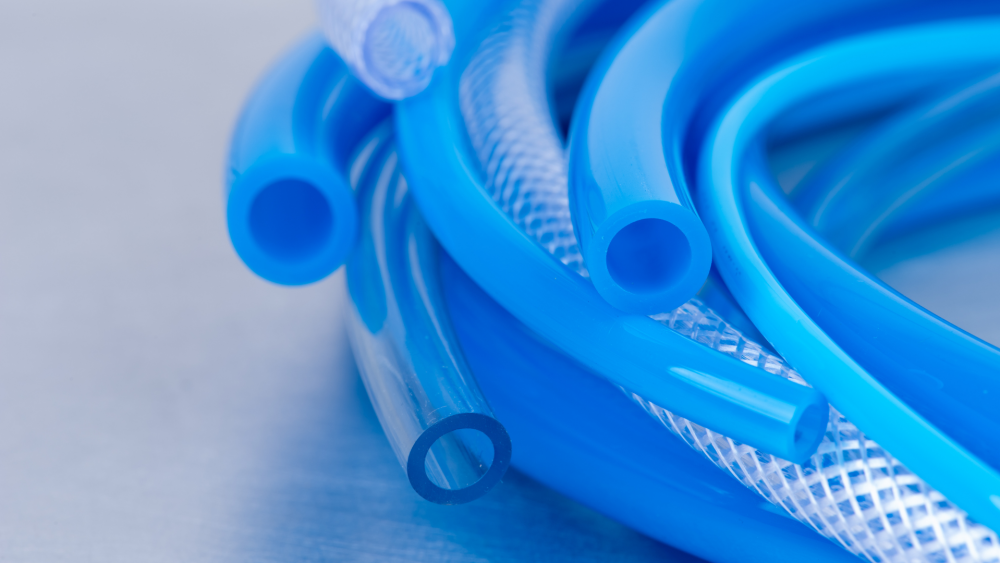
4. Standards and certifications to verify
- A US agency that establishes regulations regarding food contact materials
- Being FDA-certified means that the material is safe for food contact under specified conditions.
- An independent organization that establishes sanitation and safety standards for contact with water and food
- Hoses certified to NSF/ANSI Standard 51 or 61 are considered suitable for food contact and drinking water applications.
- Standards focusing on hygiene in the food, beverage, and dairy industries
- Focuses on designing equipment to be easy to clean and prevent pathogen growth
- European Union regulations on plastic materials intended to come into contact with food
- If the hose is tested and certified according to this regulation, it indicates that it can be used in the European Union.
5. Differences between general hoses and food grade hoses
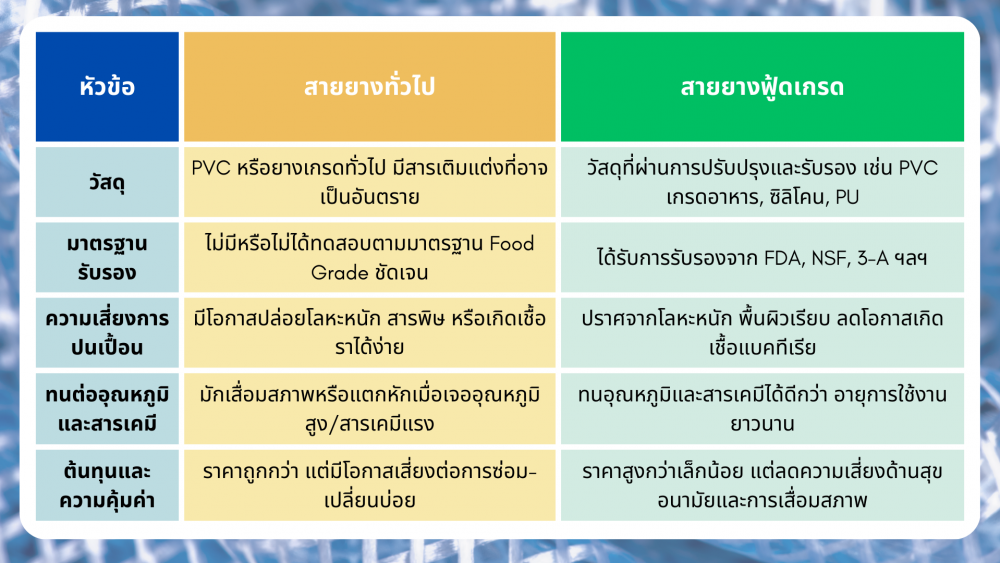
6. Application examples in the food industry
1. Conveyance of drinking water and beverages
- Drinking water or beverage manufacturing plants require hoses free of residual taste and odor. Food grade hoses help preserve beverage quality and do not cause plastic odors or strange flavors.
2. Milk and dairy product processing
- Milk is a raw material susceptible to bacterial growth. Using an unsafe hose can easily lead to contamination. Silicone or EPDM food grade hoses are therefore popular because they resist high temperatures and can be washed and sanitized.
3. Sauce and dipping sauce conveyance systems
- Sauces or seasonings often have high acidity or alkalinity. Corrosion-resistant food grade hoses are essential to prevent alterations in taste or chemical residues in food.
4. Bakery and confectionery industries
- Transferring liquid sugar, syrup, or cream, which are viscous and at high temperatures. Smooth-bore, pressure-resistant food grade hoses enable fast conveyance and reduce residues.
7. Guidelines for choosing and purchasing food grade hoses
1. Check certified standards
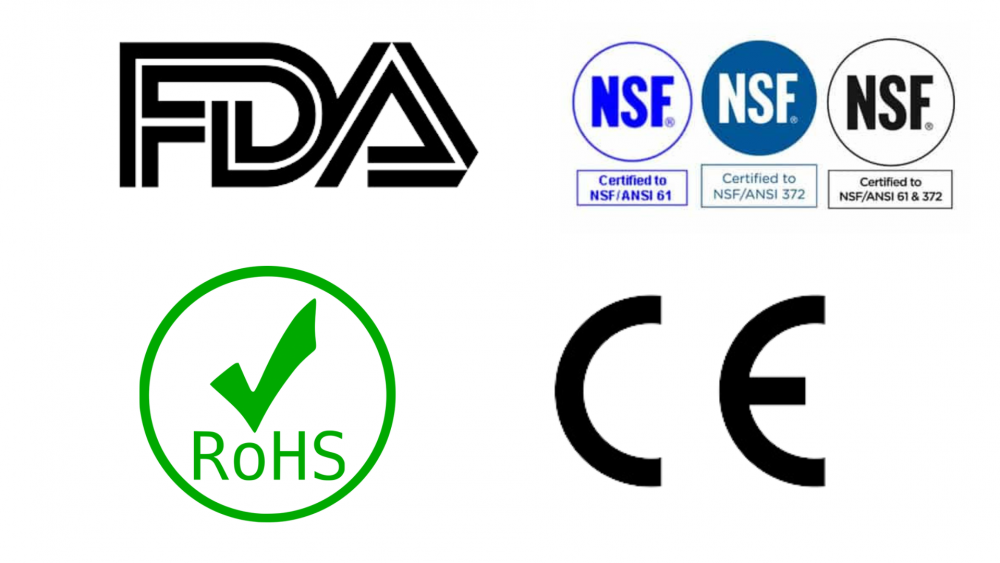
Request a certificate or check for certification marks such as FDA, NSF, EU, and 3-A, which verify that the hose has passed testing according to the requirements.
2. Analyze requirements and operating conditions
- Maximum - minimum temperature
- System pressure
- Type of food (acidic, alkaline, or high sweetness)
- Installation characteristics (degree of bending)
3. Choose the right material
Consider the hose material, such as PVC, PU, silicone, or EPDM, to determine which material is most suitable for the actual process.
4. Consider the hose structure
Some hoses feature an internal steel wire or reinforcement fiber to withstand higher pressures or prevent kinking and complete blockage.
5. Compare price and quality
Sometimes cheap hoses may not be durable, requiring frequent replacements, frequent repairs, and posing a risk of contamination. Therefore, long-term value should be considered rather than just the price per meter.
8. Maintenance and extending service life
1. Clean immediately after use
- Reduce the accumulation of food residue or stains that could harbor bacteria.
- Use a cleaning agent suitable for the material that will not react or corrode the hose surface.
2. Inspect the condition regularly
- If cracks or abnormal discoloration are found, replace it immediately.
- Continued use may lead to fluid leaks or introduce contaminants into the system.
3. Store in a dry place away from sunlight
- Heat and UV rays can accelerate the degradation of plastic or rubber.
4. Manage the plant's internal system properly
- Lay hoses neatly to prevent stepping on them or placing heavy objects on top of the hose.
- Reduces the risk of cracking or permanent kinking.
5. Keep usage logs
- Keep records of usage duration, types of fluids conveyed, and cleaning cycles to evaluate the appropriate service life and replace it in a timely manner.
9. Long-term benefits and cost-effectiveness
- Safe for consumers Prevents contamination from the source, building confidence among consumers and business partners.
- Reduces costs related to production downtime or product recalls Stopping a production line or being ordered to recall products due to food quality issues carries immense costs and severely impacts business reputation.
- Promotes market expansion and export International standards are key to exporting products to foreign markets. Using certified food-grade hoses can help open up new markets more easily.
- Builds a reliable brand Brands that prioritize quality and safety in every detail gain more trust from customers and achieve higher competitive potential.

10. Conclusion
“Food-grade hose” may seem like a small component in a food production line, but it is critically important to product safety and quality. Consumer safety is not something that should be overlooked, and increasingly strict hygiene standards today further emphasize the necessity of choosing equipment certified to international standards.
Investing in high-quality food-grade hoses may involve a higher initial cost than general hoses, but considering contamination risks, durability, and the reduction of maintenance costs or damaged product losses, food-grade hoses prove clearly more cost-effective.
Therefore, for operators of food factories, beverage manufacturing plants, farms or agricultural processing facilities, as well as large restaurants with in-house production lines, if you are looking for ways to maintain food quality and safety to international standards, choosing Food Grade Hoses certified products is one of the key essentials that must never be overlooked!