


 EN
 ไทย


Customers Also Purchased


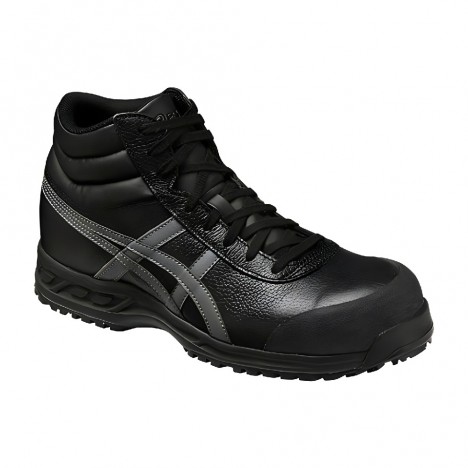
Safety shoes play a vital role in protecting your feet while working in high-risk environments, such as industrial plants, construction sites, warehouses, and locations where hazards from impacts, stepping on sharp objects, or chemical exposure may occur. However, these factors are often overlooked. Choosing safety shoes that suit your specific type of work and are certified to international standards not only helps reduce the risk of accidents, but also enhances working comfort.
In this article, we will introduce you to globally recognized safety shoe standards to help you make informed decisions when choosing safety shoes that match your job requirements and ensure your personal safety. If you're ready, let's dive into the article!
Key Safety Shoe Standards
Safety Shoe Just like other tools and equipment, safety shoes have various standards certified by organizations worldwide. Each standard defines different requirements to suit specific applications and working environments, whether for impact resistance, slip resistance, oil resistance, or even antistatic protection. These standards help users confidently choose the right safety shoes for their work.

ISO 20345:2021
ISO 20345 is an international standard for safety footwear established by the International Organization for Standardization (ISO). It was developed to ensure that safety shoes can effectively protect the wearer's feet from various hazards. The standard was most recently updated in 2021 to keep pace with evolving technologies and work environments. The highlight of ISO 20345 is its strict specifications regarding impact resistance, puncture resistance, and other properties such as slip resistance, chemical resistance, and antistatic protection, ensuring that compliant safety shoes effectively meet the demands of diverse industries.
- ISO 20345 The toecap must withstand an impact of at least 200 Joules Must withstand a compression load of 15 kN Slip-resistant and oil-resistant Antistatic capability Chemical resistance capability Sole material must be puncture-resistant
- ISO 20346 is a standard for general protective footwear, which provides lower impact resistance than ISO 20345.
- ISO 20347 is a standard for occupational footwear without a steel toecap, but it still features slip and oil resistance.
CE Standard (Conformité Européenne)
The CE mark is a European Union (EU) requirement certifying that safety shoes have been tested according to European standards (EN Standards). This means these safety shoes must comply with stringent safety requirements to ensure they protect users from hazards that may arise in the work environment. CE standards cover multiple categories, including impact protection, slip resistance, liquid penetration resistance, and antistatic capabilities. CE-certified footwear must not only pass laboratory testing, but also undergo real-world quality assessments to ensure suitability for diverse working conditions across various industries.
EN ISO 20345 Standard
This standard categorizes types of safety footwear based on protection levels:
- SB: Baseline standard with a 200-Joule impact-resistant safety toecap
- S1: Adds antistatic properties and energy absorption in the heel area
- S1P: Same as S1, but with an added puncture-resistant midsole.
- S2: Same features as S1, but with added water penetration resistance.
- S3: Same features as S2, but with an added puncture-resistant midsole.
- S4-S5: The highest standard for waterproof and chemical-resistant boots.
ASTM Standards (American Society for Testing and Materials)
ASTM F2413-18
ASTM F2413 is a US safety footwear standard specifying performance requirements to ensure certified footwear effectively protects wearers from potential workplace hazards. This standard covers a wide range of properties, such as impact resistance, compression resistance, puncture resistance, and protection against electrical and chemical hazards. ASTM F2413 also includes performance testing requirements for footwear materials to ensure that certified footwear can thoroughly withstand heavy industrial, construction, and high-risk applications.
Main Requirements of ASTM F2413
- Toe cap impact resistance of 75 ft-lbs (approx. 101.7 Joules)
- Compression resistance of 2,500 lbs (approx. 11.1 kN)
- Puncture-resistant sole (PR - Puncture Resistant)
- Electrical hazard protection (EH - Electrical Hazard)
- Slip- and chemical-resistant properties


How to Choose the Right Safety Shoes
Check the standards
Choose shoes with certified standard marks such as ISO 20345, CE EN ISO 20345, or ASTM F2413, which are internationally recognized standards. Footwear certified under these standards undergoes rigorous testing to ensure suitability for various industries, such as construction, manufacturing plants, and electrical-related work. Selecting safety shoes with these certification marks ensures that the footwear effectively protects your feet from various hazards while enhancing safety and comfort during work.
Footwear Materials
Steel Toe Cap
Offers excellent impact protection, effectively withstanding impacts from falling objects or crushing forces from machinery. Commonly used in heavy industries such as construction, manufacturing plants, and mining. However, steel toe caps are heavier than other types, which may cause fatigue if worn for long periods. Additionally, steel conducts heat and electricity, making it unsuitable for jobs exposed to electrical hazards or high temperatures.
Composite Toe Cap
Lightweight and non-conductive. Made from strong synthetic materials such as fiberglass or reinforced plastic, it offers impact protection comparable to steel caps without adding much weight to the shoe. This makes it ideal for workers who need mobility, such as technicians, engineers, or personnel who walk or stand for extended periods. In addition, composite toe caps do not conduct heat or electricity, making them suitable for work involving electrical hazards or high temperatures. They also do not trigger metal detectors in security-sensitive areas such as airports or high-security facilities.
Puncture Resistant Sole
Suitable for construction work and industrial factories, this type of outsole is designed to prevent puncture from sharp objects such as nails, metal scraps, or broken glass commonly found in work environments. Most puncture-resistant soles are made of steel plates or high-strength synthetic materials like Kevlar, which offers greater flexibility and is lighter than steel, allowing the wearer to move agilely. In addition, it provides good slip resistance, making it ideal for use in high-risk areas such as construction sites, industrial plants, and places constantly exposed to sharp objects.

Consider the work environment
- Construction work: You should choose safety shoes with steel or composite toes and puncture-resistant plates to protect against puncture from sharp objects like nails or metal scraps scattered around construction site floors. Choose shoes with outsoles made of durable, slip-resistant materials to reduce the risk of slipping in environments that may contain dust, gravel, or liquids. Additionally, the shoes should offer good shock absorption to protect feet from falling objects, and you should select a breathable design to reduce moisture and increase comfort during long working hours.
- Electrical work: You should choose shoes with EH (Electrical Hazard) ratings to protect against electrical leakage and reduce the risk of electrostatic discharge. This type of footwear is designed with an electrically insulating outsole that prevents electrical currents from passing into the body, which is essential for electricians, electrical engineers, or anyone working near electrical sources. In addition, you should choose shoes with slip-resistant properties to prevent potential accidents in wet or oil-contaminated floor environments.
- Chemical industry: You should choose shoes with chemical-resistant and slip-resistant properties to prevent contact with chemicals that could cause harm to your feet. This type of footwear should feature outsoles resistant to corrosive substances like acids, alkalis, and solvents, as well as an exterior made from waterproof and liquid-resistant materials to keep chemicals from penetrating into the shoe. In addition, choose high-slip-resistance outsoles to prevent slipping on wet floors or areas prone to liquid spills. Safety shoes for the chemical industry should also feature electrostatic discharge (ESD) protection to prevent sparks generated by static electricity, which could pose hazards in environments containing flammable materials or volatile chemicals.
Comfort and Wearability
- You should choose a size that fits the shape of your feet properly, neither too tight nor too loose, to prevent pain or fatigue after prolonged wear. You should also choose shoes with shock-absorbing insoles, such as EVA insoles or memory foam, which help reduce pressure and increase comfort for the wearer, especially for those who need to stand or walk for long periods daily. Furthermore, choosing shoes with a good ventilation system, such as breathable materials, will help reduce dampness and prevent unpleasant odors.
- Features a ventilation system designed to help reduce heat buildup inside the shoe, utilizing highly breathable materials such as mesh fabric or air vent technology to promote air circulation, reduce dampness and unpleasant odors, allowing for extended wear without feeling stuffy or overheated.
Choosing Safety Shoe Meeting safety standards is essential for user safety, especially in high-risk environments. International standards such as ISO, CE, and ASTM indicate that the shoes have passed quality testing for durability, hazard protection, and shock absorption, ensuring wearers can work with confidence.