


 EN
 ไทย


Customers Also Purchased


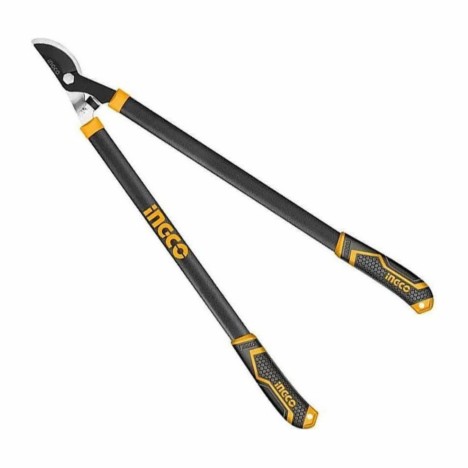
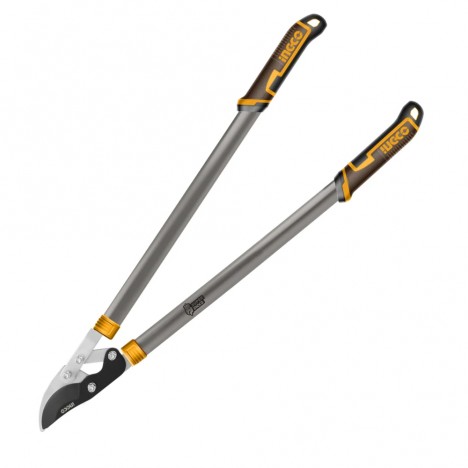

Pruning Shears They are essential tools if you want to prune branches so that your trees grow strong and maintain a beautiful shape. Choosing the right pruning shears and using proper cutting techniques will help minimize potential damage. However, many people unintentionally make mistakes, such as choosing the wrong pruning shears, neglecting sharpening, or cutting branches in the wrong spot. These mistakes can harm trees or cause the pruning shears to wear out faster than normal.
In this article, I will walk you through common mistakes to avoid when using pruning shears, along with proper usage guidelines so you can care for your trees like a professional and help extend the lifespan of your tools. Without wasting any time, let's dive into the article!
1. Using the wrong type of pruning shears
Choosing pruning shears that are not suitable for the job
There are several types of pruning shears, such as Bypass, Anvil, Ratchet, electric pruners, and professional pruning shears, each with distinct advantages and limitations. Choosing the right type for the job ensures maximum pruning efficiency and minimizes potential damage to the trees.
Choosing pruning shears that do not suit the type of branch can result in poor cuts and may adversely affect tree health, such as creating jagged wounds that allow pathogens to invade easily or causing abnormal tree growth. In addition, using unsuitable cutting tools may force the user to apply excessive force, which could damage the tool or shorten its service life.
- Bypass pruning shears are suitable for fresh, live branches — precise, clean cuts with a neat finish.
- Anvil pruning shears are suitable for cutting dead wood and thicker branches.
- Straight-blade pruning shears are suitable for cutting small fresh twigs, flower stems, and the like.
Using pruning shears that are too small or too large
Using pruning shears that are not suited to the branch size makes cutting harder and may cause jagged cuts, resulting in slower recovery for the tree and higher susceptibility to infection. Furthermore, if the pruning shears are too small for the branch, excessive force may be required, which can easily damage or break the blade. Conversely, using pruning shears that are too large for small branches can exert unnecessary pressure and cause needless crushing of the wood tissue.
It is recommended to use small pruning shears (7-8 inches) for small branches with a diameter of no more than 1.5 cm for easy cutting control and reduced pressure on the tree. For larger branches with a diameter greater than 2.5 cm, choose large pruning shears or long-handled pruning shears (loppers) to make cutting easier without requiring excessive force.

Not sharpening pruning shears
Using dull pruning shears
Dull pruning shears cause torn wounds on the tree, making it prone to infection and resulting in slower-than-usual recovery. Ragged cuts tear the wood tissue instead of making a clean cut, significantly increasing the likelihood of fungal and insect infestations. In addition, it can leave open wounds on the tree for an extended period, increasing the risk of various plant diseases.
It is recommended to sharpen pruning shears every 3-5 uses. If the pruning shears are used on hard wood or branches with large diameters, more frequent sharpening may be necessary to maintain cutting efficiency. Furthermore, checking the blade condition before every use is essential to prevent jagged cuts and reduce cutting resistance during use.
Proper ways to sharpen pruning shears
Use a high-quality sharpening stone or file to keep the blade sharp and durable. Select a sharpening stone suitable for the blade material for maximum sharpening efficiency. Sharpen only one side of the blade (for bypass pruning shears) and wipe the blade clean after sharpening to prevent rust. Cleaning the blade after sharpening also helps remove any lingering metal filings and reduces the chance of rust formation.
Use lubricating oil or anti-rust spray to keep the blade ready for use. Use an oil suitable for pruning tools to reduce friction and prevent blade wear.
3. Pruning at the wrong position
Cutting too close to the branch collar
Cutting too close to the base of the branch creates a larger wound that takes longer to heal, which can weaken the area and make it vulnerable to fungal infections and pests. Additionally, cutting too close may destroy the tree's wound-closing tissues, causing permanent damage and slowing down tree recovery.
You should cut about 1-2 cm away from the branch collar to allow the tree to heal properly. Cutting at this distance allows the tree to quickly develop new tissue to seal the wound, reducing the risk of fungal infections and pests. Moreover, it encourages natural new shoot growth and maintains the structural balance of the tree.
Cutting too far from the branch collar
Leaving stubs that are too long can lead to "water sprouts" or secondary growth, which can cause misshapen growth and weaken the tree. In addition, crowded, overlapping branches can compete for nutrients and sunlight, negatively impacting the tree's overall health. It can also create an unkempt tree structure, making it look untidy and increasing the risk of branches breaking off, especially during storms or strong winds.
4. Using pruning shears at the wrong time
Pruning in the wrong season
The best season for pruning most trees is late winter or early spring, as trees are still dormant during this period and can recover rapidly from pruning. Moreover, pruning during this time stimulates vigorous new growth and reduces the risk of plant diseases and pests that typically occur in the summer.
Avoid pruning in summer and during the rainy season, as this can cause plant stress and make them susceptible to infections. High humidity in the rainy season fosters the growth of fungi and bacteria, increasing the risk of tree disease. In summer, high temperatures can cause trees to lose moisture quickly, slowing down recovery from pruning and making the tree more vulnerable.
Pruning too many branches at once
You should not prune more than 25-30% of the total branches at one time, as this can cause the tree to go into shock and slow down its growth. Cutting off too many branches at once may disrupt the tree's balance of nutrients and energy needed for growth. In addition, it can increase stress on the tree, making it more vulnerable to pests and diseases. To prevent these issues, prune in moderate amounts and allow time between prunings so the tree has time to recover.

5. Not cleaning pruning shears after use
Leaving pruning shears dirty
Pathogens can spread from one tree to another if the shears are not cleaned after every use. The buildup of bacteria, fungi, and viruses on the pruning blades can lead to severe plant diseases and impact overall plant health. You should always clean your shears with rubbing alcohol, disinfectant, or soapy water, and wipe them dry before storing to prevent the spread of diseases.
Wipe the blades with rubbing alcohol or a disinfectant after each use to reduce pathogen buildup and prevent the spread of plant diseases. Use a dry cloth or paper towel to wipe the blades clean after disinfecting, and apply a light coat of oil to the blades if possible to help prevent rust.
Improper storage of pruning shears
Pruning shears should be stored in a dry place, with lubricating oil applied to the pivot joint to prevent rust. Use a tool box or protective sheath to guard against dust and moisture. Avoid storing them in high-humidity areas, such as damp greenhouses or near water sources, as this can cause rust and reduce the shears' cutting performance.
6. Using excessive force while pruning
Applying too much force damages pruning shears
If you apply so much force that it feels like the shears might break, the shears may not be the right size for the branch, or the blades may be dull, requiring more cutting pressure than usual. Additionally, using the wrong type of shears for the branch, such as using bypass pruners on hard, dead wood, can damage the tool and lead to inefficient cuts. Always choose shears suited to the type of branch, and regularly inspect the sharpness of the blades.
Use shears with leverage-assist mechanisms, such as ratchet pruners or spring-loaded shears, to reduce cutting effort. Furthermore, if a branch is too large for standard pruning shears, use a pruning saw or curved saw designed for cutting hardwood and reducing friction. This will make your cuts more efficient and reduce the risk of damaging your tools.
Pruning without proper technique
Branches should be cut at a 45-degree angle to help the tree heal faster. Cutting at this angle allows water to run off the wound effectively, reducing moisture accumulation that can lead to fungi and plant diseases. It also helps the tree form callus tissue over the wound more quickly and stimulates the growth of vigorous new shoots.
Cut thick branches in 2-3 stages instead of a single cut to reduce stress and prevent tearing the tree's bark and tissue. This technique minimizes the risk of severe branch tear-out and helps the tree recover better from pruning. Start by removing the bulk of the branch in smaller sections, and make a clean final cut flush with the branch collar.
Conclusion
Using pruning shears properly not only keeps your plants healthy and strong, but also extends the life of the tools. Avoiding these mistakes and following the right guidelines will make your gardening tasks easier and much more effective.