


 EN
 ไทย


Customers Also Purchased


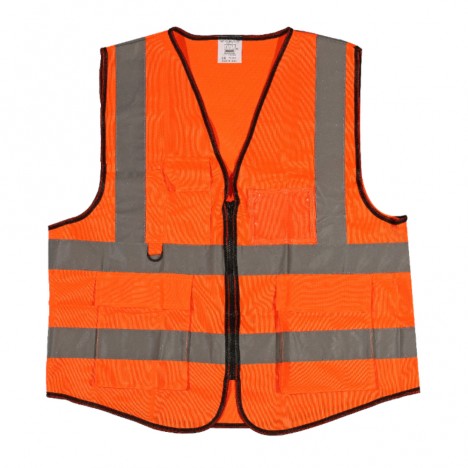
Reflective vests are safety gear that enhances visibility for night shift workers, construction crews, and cyclists, reducing the risk of accidents on roads and in low-light work areas. Choosing the right reflective vest isn't just about price; there are other critical factors to consider, such as reflectivity, material quality, wearing comfort, and safety standards.

Types of Reflective Vests
Alright, let's start with the first point. Let's look at the types first to see which reflective vest/clothing is right for you, so you don't choose blindly and end up wasting time and money.
Reflective Vest
- Let's start with the first type. This type of reflective vest is commonly seen everywhere. It is usually suitable for construction workers, road maintenance crew, logistics personnel, as well as security guards and traffic controllers. This type of reflective vest is easy to put on, hassle-free to use, highly breathable, helps reduce heat accumulation while wearing, and can be worn over regular clothing without feeling uncomfortable. "I tried it on myself, and even weighing over 100 kg, it felt super comfortable."
Reflective Jacket (Long Sleeves)
- Reflective jackets provide full protection in cold or dusty weather conditions. They are ideal for working in windy areas or low temperatures, whether it's outdoor construction, mining, or working in industrial plants exposed to dust and chemicals. This type of reflective clothing often features materials that keep out moisture and dust, enhancing long-term comfort for wearers.
LED Reflective Vest
- Reflective vests with LED lights enhance visibility even further, especially in the dark. They help reduce accident risks significantly, especially in low-light areas or adverse weather conditions such as dense fog, rain, or nighttime. They are ideal for runners, cyclists, rescue personnel, traffic police officers, and night-shift workers or those in poorly lit areas, such as security guards and delivery personnel.
Materials and Quality of Reflective Strips
Fabric Materials
- Polyester reflective vests are durable, lightweight, and breathable. They offer decent moisture resistance, making them well-suited for hot and humid climates. In addition, they are easy to care for, quick-drying, and have a long service life—ideal for applications demanding maximum durability and comfort.
- Nylon reflective vests are highly flexible, strong, tear-resistant, and long-lasting. However, the downside is that they absorb water easily, meaning they may dry slower than other fabrics when wet. Furthermore, nylon can be treated with waterproof or UV-resistant coatings to enhance durability in high-humidity or sunny environments. Suitable for applications requiring flexibility and strength, such as field work, maintenance, and industries exposed to high friction.
- Mesh fabric reflective vests are lightweight, comfortable, and non-stuffy. Perfect for general use, especially in hot weather, as they offer excellent ventilation and reduce heat buildup while worn. Mesh fabric also has high flexibility for easy movement, making it ideal for those working long hours in hot environments, such as construction workers, cyclists, and runners. It is also easy to wash and quick-drying, adding extra convenience for daily use.
Reflective Tape
- Reflective vests made with vinyl or PVC materials are affordable, lightweight, and highly flexible, but have a shorter lifespan compared to other reflective materials. In addition, vinyl and PVC can degrade quickly when exposed to sunlight and heat for extended periods, making them suitable for short-term use or budget-conscious needs.
- Reflective vests with microprismatic materials provide excellent retroreflection, even in low-light conditions. Utilizing prismatic reflection technology, they return light back to the source much more efficiently than conventional reflective materials. Ideal for tasks requiring maximum visibility, such as traffic control, construction, and emergency services. This material is frequently used on safety equipment, traffic signs, and road markings to enhance clarity in low light or at night.
- Silver reflective tape safety vests offer high reflectivity and wash durability. They provide efficient retroreflective performance even in low light and hold up well in changing weather conditions. Commonly used in high-safety industries such as construction, maintenance, and traffic management, they can also withstand frequent friction and repeated washings without losing reflective performance.
Safety Standard
- ANSI/ISEA 107 Standard: A US standard that defines the retroreflective performance levels and specifications for high-visibility reflective apparel.
- EN ISO 20471 Standard: A European standard that specifies retroreflective performance levels and durability for high-visibility clothing.
- Safety Vests TIS Standard: Quite familiar to most of us locally. For domestic use, it is advisable to look for products certified under the Thai Industrial Standards (TIS).

Design and Ease of Use
Fitted Design
- Reflective vests should fit properly—neither too tight nor too loose. Choose a size that allows for easy movement without restricting work or physical activity. If you need to wear thick clothing underneath, opt for a slightly larger size for added comfort.
- If you need to wear it over clothing, choose a slightly larger size to allow for greater freedom of movement, prevent feeling restricted, and accommodate additional inner layers when working in cold weather.
Breathability
- Reflective vests should feature ventilation openings or breathable materials that reduce stuffiness, such as mesh fabric or materials with good heat dissipation. This helps the wearer stay comfortable throughout the day, reduces sweat accumulation, and prevents unpleasant odors, especially for those working outdoors or wearing the vest for extended periods.
- Ideal for those working outdoors or in hot weather—perfect for our local climate. Whether you are a construction worker, cyclist, or traffic controller exposed to sunlight for long hours, you should choose a vest that is highly breathable and lightweight to minimize heat buildup and enhance work comfort.
Ease of Wearing
- Zipper or hook-and-loop (Velcro) closures typically make it easy to put on and take off quickly. They also allow you to adjust the fit as needed, making them ideal for situations requiring quick convenience, especially during emergencies or when frequently putting on and taking off the vest.
- Some models may include straps or buckle clips for a more secure fit, helping the reflective vest stay closer to the body and reducing movement while working or exercising, making it both more convenient and safer.
- What are reflective materials made of, and which type is suitable for reflective vests?

Price and Value
Compare Reflective Vest Prices and Features
- Check whether the reflective vest meets your requirements, including the materials used, reflectivity performance, environmental durability, and proper sizing for the wearer, ensuring it can be used effectively.
- Compare prices from multiple sources before making a purchase decision by considering quality, materials, and safety standards. Do not just go for the cheapest option; also check reviews from real users, warranty terms, and after-sales service to ensure you get a worthwhile product that lasts in the long run.
Lifespan and Durability
- You should choose a reflective vest made from durable, tear-resistant, and abrasion-resistant materials that offer good water and dust resistance, along with reflective tape that withstands washing and various weather conditions for long-lasting and optimal performance.
- Check user reviews to evaluate the actual durability of the reflective vest, considering real users' experiences regarding material longevity, reflective performance over time, and feedback on wearing comfort and care maintenance to ensure the vest truly fits your needs.
Long-term value
- Higher-priced reflective vests often last longer because they are made from premium materials that resist wear and withstand repeated washing, saving you money in the long run. They also provide better safety since their reflective properties do not degrade easily compared to cheaper models.
- You should choose a reflective vest backed by a warranty or quality certification from recognized organizations, whether national/international industry standards (ANSI, ISO) or direct manufacturer certification, ensuring the product has been tested and meets safety and durability requirements.
Conclusion
Choosing a good reflective vest is not just about the price; it also involves considering the vest type, material and quality, reflective tape, safety standards, design, and overall value. Making a thoughtful choice will help you get the most effective and safe product.