


 EN
 ไทย


Customers Also Purchased


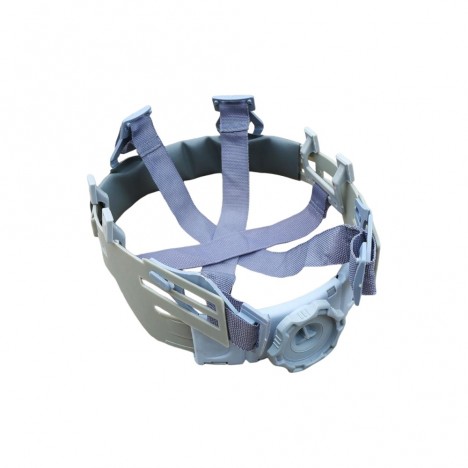
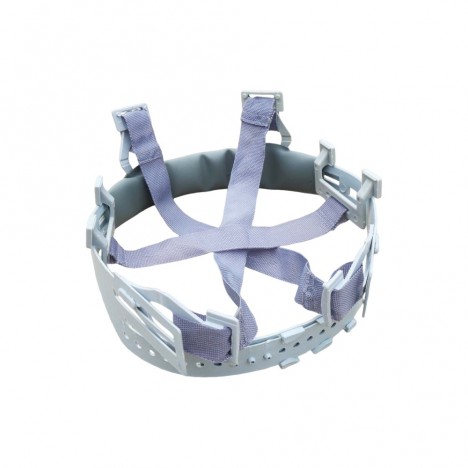


A safety helmet is an essential piece of equipment in high-risk workplaces that helps protect the head from hazards, whether falling objects from heights or impacts. However, it also plays an important role in communicating the roles and positions of personnel on site. The color of the safety helmet helps workers identify team members, which is a vital factor in coordination and enhancing workplace safety.

Why is the color of a safety helmet important?
- The color of a safety helmet helps identify the roles and positions of personnel in the workplace, making it immediately clear what role the wearer has—for example, engineers, supervisors, general workers, or safety officers. In addition, it facilitates smooth communication between departments and reduces confusion in case of emergencies or urgent requests for assistance.
- Enhances safety by enabling the identification of key personnel, which reduces confusion in emergencies and allows personnel to carry out rescue or management operations more effectively. Furthermore, using clearly designated safety helmet colors helps reinforce organizational safety measures and makes management more systematic.
- Aids in team management and reduces confusion in the work area. By using clear safety helmet colors, the roles of individuals can be easily distinguished, reducing operational discrepancies and fostering more effective cooperation. It also helps decrease the likelihood of accidents caused by misunderstandings or a lack of proper communication.
- Improves communication and inter-departmental coordination by helping teams recognize each individual's role, reducing communication errors, and making work processes smoother. Safety helmet colors also help classify personnel with specialized responsibilities, such as maintenance teams, safety officers, or engineers, allowing for efficient coordination and reducing the chance of confusion in emergency situations.

Meanings of Safety Helmet Colors in Various Industries
1. White – Executives, Engineers, and Supervisors
- White safety helmets are used for high-ranking positions such as engineers, supervisors, or executives who oversee, inspect, and control operations within a project or organization. The white safety helmet makes these individuals easy to distinguish, allowing team members to quickly access decision-makers. Additionally, it helps build credibility and signifies personnel status within the organization.
- It symbolizes leadership, management, and operational responsibility within the organization. Furthermore, it reflects decision-making capability, planning, and safety oversight in various projects.
- Used in the construction industry, factories, and various project areas requiring high safety. The white safety helmet helps distinguish individuals with key supervisory roles on projects and is typically worn by engineers inspecting job sites, supervisors overseeing operations, and executives reviewing project progress. It is also commonly seen in industries that demand order and professionalism, such as large manufacturing plants or government infrastructure projects.

2. Yellow – General Workers and Construction Operators
- This safety helmet color is used for general labor, such as construction workers, maintenance personnel, and industrial laborers, who work in areas with high risks from falling objects or environments involving heavy machinery. The yellow safety helmet offers high visibility, reducing the chance of accidents and increasing workplace safety, especially on construction sites and in industrial plants with large machinery.
- It is a prominent and easily noticeable color for safety in the work area. The yellow safety helmet ensures clear visibility even in low-light environments or areas where machinery is operating, reducing the risk of collisions or accidents, especially where materials or large machines are being moved. Moreover, it allows workers to identify and communicate with each other more easily in crowded work environments.

3. Blue – Technicians and Specialized Personnel
- Often seen on electricians, technicians, systems engineers, and utility workers handling electrical, plumbing, and infrastructure maintenance systems. Blue safety helmets are typically used to distinguish personnel with specialized expertise who play a crucial role in installing and maintaining systems requiring high precision and safety.
- Commonly used in projects requiring specialized expertise, such as electrical systems, plumbing systems, heavy machinery maintenance, and infrastructure projects like expressway systems, bridges, or electrical substations. Personnel wearing blue safety helmets often troubleshoot technical issues and must work in areas with high risks from electrical currents or water pressure.
- Represents reliability, stability, and professionalism at work. The blue safety helmet indicates specialized personnel who are well-trained and hold technical responsibilities, instilling confidence in teams and organizations during operations that demand high precision and safety.

4. Green – Safety Officer
- Green safety helmets are typically used for safety officers or personnel responsible for Health, Safety, and Environment (HSE). Their duties include inspecting safety measures, ensuring operations comply with health and environmental standards, and providing advice on risk reduction and accident prevention in the workplace.
- It signifies safety, care, and the management of health and accidents. This includes workplace accident prevention planning, monitoring working environments to ensure safety, and implementing proactive measures to prevent potential hazards. Personnel wearing green safety helmets often play a role in advising employees, organizing safety training, and ensuring that everyone complies with established regulations.
- Commonly found in large factories, construction projects, and high-risk industries such as chemical plants, steel manufacturing plants, and the energy industry, where strict safety standards are enforced to prevent potential accidents. Officers wearing green safety helmets often need to regularly inspect the work environment, prepare safety reports, and provide recommendations for reducing workplace risks.

5. Red – Firefighters and Fire Safety Personnel
- Red safety helmets are used for firefighting teams or personnel working on fire protection systems, such as field firefighters, industrial firefighters, and fire alarm system operators. Red safety helmets allow for quick identification of personnel responsible for fire prevention and suppression, enabling rapid access to risk areas and prompt preventive actions. They are also used by personnel responsible for handling flammable chemicals and fire protection systems within large organizations.
- It conveys urgency and the importance of emergency response. Red safety helmets allow fire safety personnel to be quickly identified in environments that may be filled with smoke or dust. It also reflects the crucial role of the wearer in controlling and extinguishing fires, minimizing damage, and preventing injuries to personnel and property in the work area.
- Commonly found in industrial plants, oil refineries, chemical plants, fuel transport centers, and high-fire-risk areas such as flammable material storage facilities or facilities operating spark-producing machinery.

6. Orange – Site Visitors and Trainees
- Orange safety helmets are used for visitors to workplaces or construction sites, such as external executives, clients, safety inspectors, or trainees with no experience working in hazardous areas. Orange helmets make it easy to distinguish these individuals from regular staff and other personnel, facilitating safety management and proper guidance.
- It allows internal personnel to identify the wearers as external parties, helping to better control access to critical areas, reduce the risk of accidents, and prevent violations of safety measures. It also enables staff to properly guide and supervise these individuals.
- Found in construction projects, factories, high-risk work areas, and sites with strict safety measures such as power plants, chemical manufacturing facilities, and large-scale infrastructure sites.

Standardized Selection of Safety Helmet Colors
International Standards Related to Safety Helmet Colors
- OSHA (Occupational Safety and Health Administration) – A U.S. agency that sets workplace safety standards. OSHA plays a key role in defining requirements for personal protective equipment (PPE), including safety helmets. It mandates that workplaces adhere to strict safety guidelines, such as using standard-tested safety helmets, specifying helmet types suitable for various industries, and inspecting equipment condition to prevent accidents. OSHA also conducts periodic workplace inspections to ensure safety standards are properly followed.
- ANSI (American National Standards Institute) – Sets standards for personal protective equipment, including safety helmets. ANSI Z89.1 is a key standard defining helmet specifications such as impact protection levels, helmet types (Type I and Type II), and electrical protection classes (Class G, E, and C). This standard helps facilities choose safety helmets appropriate for their working environments, reducing accident risks and enhancing employee safety.
- ISO (International Organization for Standardization) – An international standard applied globally. ISO 3873 is a safety helmet standard specifying requirements for the design, construction, and performance of industrial safety helmets. Additionally, ISO 45001 is an occupational health and safety management system that helps organizations create a safe working environment, reduce accidents, and enhance overall safety performance for employees.
Conclusion
The color of a safety helmet is not just a matter of aesthetics; it is a system that enables efficient workplace safety management and control. Choosing the appropriate safety helmet color according to industry and applicable standards ensures that all personnel can work safely and reduces the risk of potential accidents. Understanding safety helmet colors is therefore essential for everyone working in hazardous environments.