


 EN
 ไทย


Customers Also Purchased
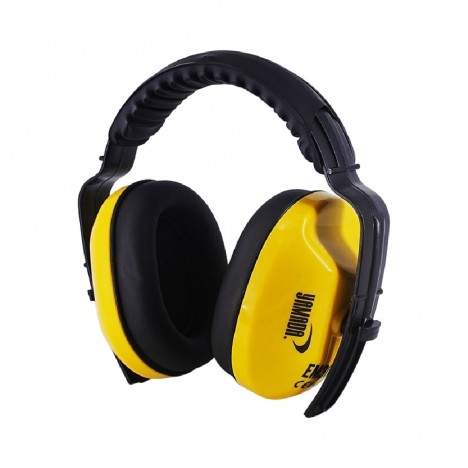
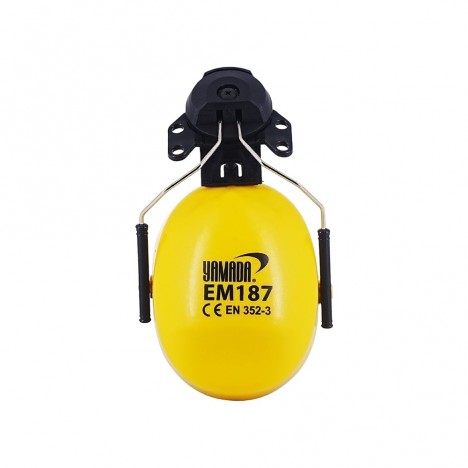
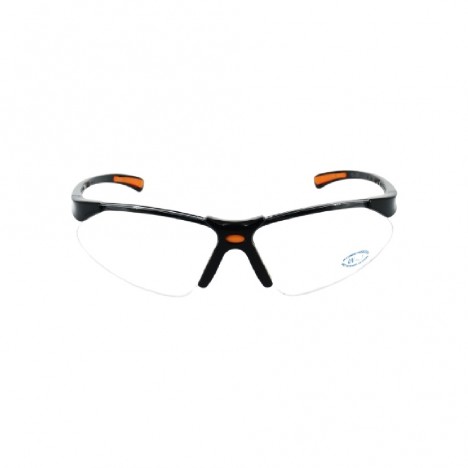
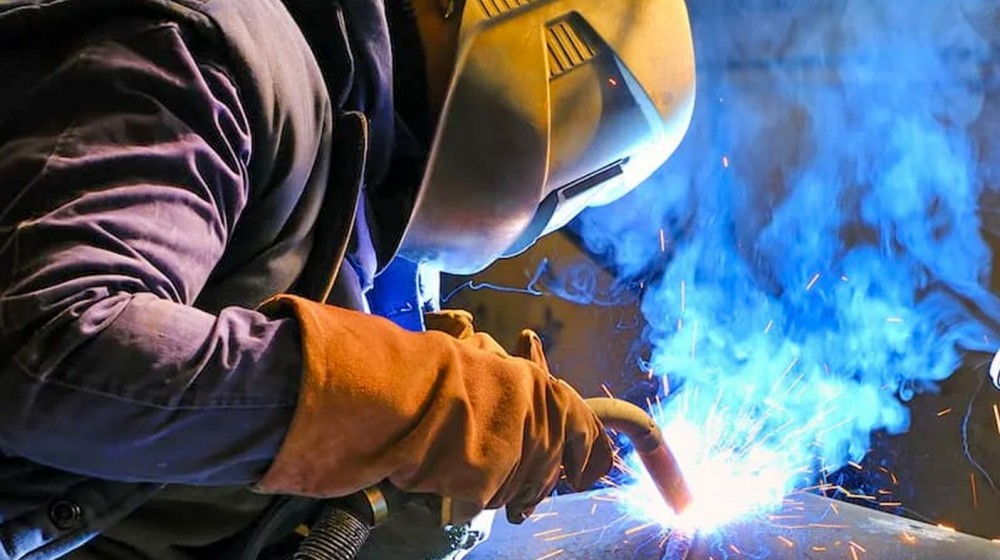
Welding is considered one of the high-risk trades because it involves working with electricity and heat that can pose serious hazards to your body. Safety equipment acts as essential armor, effectively reducing the risks of these dangers—especially welding helmets, gloves, and protective clothing, which provide efficient protection for users.
In this article, I will take you on a deep dive into the roles and importance of Personal Protective Equipment these items, along with handy tips on choosing the right gear so that you can work more safely and with greater confidence. If you're ready, let's dive in!
The Importance of Safety Equipment in Welding
Hazards in Welding Work
- High heat that can cause fires, injuries, or damage to surrounding materials if not properly controlled.
- UV and IR radiation generated by the welding process can cause severe eye damage and skin burns.
- The release of chemicals or toxic fumes from burning metals and coatings may affect the respiratory system if proper protective masks are not worn.
- Injuries from metal fragments, debris, or flying sparks during the welding process can cause wounds and bodily harm if unprotected.
The Role of Safety Equipment
Safety equipment plays a vital role in reducing the risks associated with welding by protecting various parts of the body: the eyes, which are at risk of damage from UV radiation and flying sparks; the hands, which are exposed to heat and impacts; the skin, which may come into contact with hazardous chemicals; and the respiratory system, which faces toxic fumes. Using this equipment not only protects your body, but also enhances confidence and safety in every job.
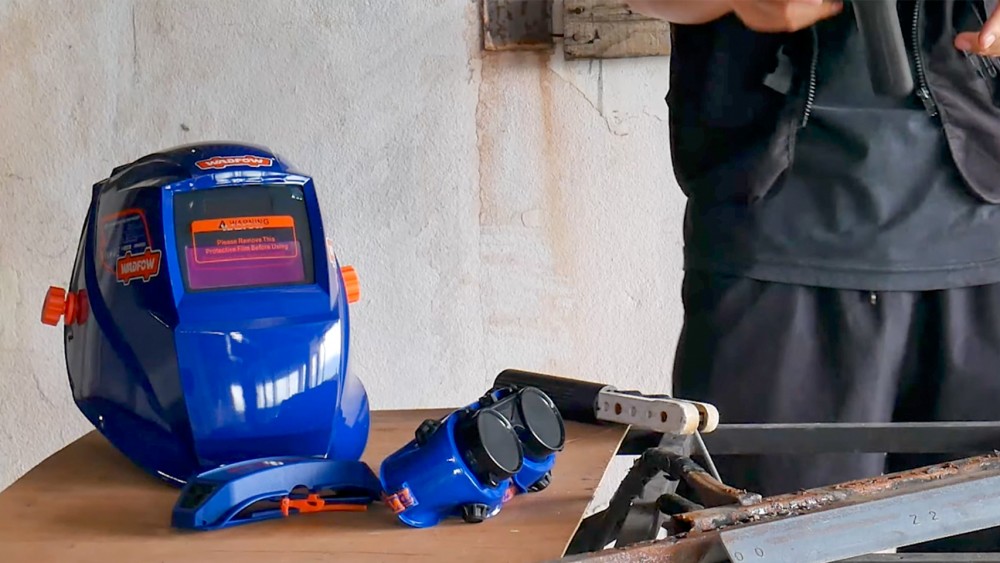
Welding Helmet: The First Line of Defense
Passive Welding Helmet
- Features a dark lens directly engineered to block UV and IR radiation, helping reduce the risk of eye damage from intense light.
- Suitable for experienced welders, as it requires manually flipping the helmet up and down between welds to view the workpiece.
Auto-Darkening Welding Helmet
- The lens automatically adjusts its shade level based on the light emitted, effectively minimizing direct exposure of the eyes to UV and IR radiation.
- Convenient and helps reduce neck fatigue from frequently nodding or flipping the helmet up and down.
- Ideal for both professionals and beginners who demand maximum efficiency and safety.
Features to Look for in a Welding Helmet
- Shade Level: Choose a helmet with an appropriate shade level for the job (such as DIN 9-13 for general welding) to ensure eyes are effectively protected from UV and IR radiation.
- Lightweight: Helps reduce fatigue during prolonged work, especially for long-duration welding tasks.
- Heat and Impact Resistance: Allows the helmet to be used in harsh and hazardous environments without sustaining damage.
- Wide Viewing Area: Enhances visibility while working and reduces welding errors, particularly in low-light or complex work areas.
Welding Helmet Maintenance Guidelines
- Wipe the lens clean after use using a soft cloth or microfiber cloth to prevent scratching.
- Store the welding helmet in a dust-free, sun-protected, and dry place to extend its service life and maintain lens quality.
- Regularly inspect the auto-darkening system and replace batteries or power sources according to the manufacturer's recommendations to ensure safe and efficient operation.
Welding Gloves: Protect hands from heat and impact
Cowhide Gloves
- Highly resistant to heat and impact from metal debris, sparks, or flying objects generated during the welding process. They also reduce the risk of contact with hot or sharp objects.
- Suitable for general welding as well as work in harsh environments, such as high-temperature areas, heavy industrial welding, or outdoor locations exposed to wind and dust.
Goatskin Gloves
- Soft and highly flexible, allowing the user to move hands freely without feeling restricted or uncomfortable. Ideal for high-precision tasks such as small-part welding or welding in hard-to-reach spaces.
- Ideal for tasks that require precision and fine control, such as small machinery repairs or assembly work demanding high craftsmanship.
Pigskin Gloves
- Resistant to moisture and oil, particularly suitable for wet environments such as pipe welding in damp spaces or outdoor work in unfavorable weather conditions.
- Performs well in humid environments, as pigskin does not readily absorb water, effectively helping to prevent glove deterioration.
Characteristics of Good Welding Gloves
- High Heat Resistance: Protects hands from flames and hot metals, while reducing the risk of contact with high-temperature components after welding.
- Flexibility allows for a comfortable grip on equipment, even in fast-paced and precision-demanding environments.
- Inner lining enhances comfort and reduces friction that may occur during long, continuous work sessions, especially in welding tasks requiring hand pressure and repetitive movements.
How to Care for Welding Gloves
- Wipe away oil stains, metal debris, and other contaminants after use with a damp cloth or a dedicated leather cleaner.
- Store in a dry, well-ventilated area to prevent mold and moisture buildup that could damage the material.
- Avoid washing with water or harsh chemicals, as this may cause the leather to stiffen and lose its flexibility.
Protective Clothing for Welding
Leather Apron
- Resistant to heat and flames, helping to reduce risks from open flames and hot metal spatter that may occur during welding.
- Suitable for jobs involving direct exposure to hot metals, such as welding large workpieces or welding in areas with high heat buildup.
Flame-Resistant Fabric
- Lighter and more breathable than leather, keeping the user comfortable even when working in hot conditions or areas with limited ventilation.
- Ideal for light-duty welding or extended use, such as repairing small machinery or welding that requires complex and continuous body postures.
Flame-Resistant Sleeves and Pants
- Provides targeted protection for areas like the arms or legs, reducing risks from flames and metal spatter where specific protection is needed.
- Suitable for jobs that do not require full-body protective suits or tasks requiring high mobility, such as small repairs or working in confined spaces.
Features to Look for in Protective Clothing
- Flame-resistant: The material should meet international flame-resistance standards, such as certifications from relevant safety authorities, to ensure quality and safety.
- Breathability: Reduces body heat buildup. Choose suits designed for good ventilation, even in high-temperature environments.
- Proper fit: Should not be too loose to prevent snagging on tools or materials while working, and should be designed to allow freedom of movement in any posture.
Protective Clothing Maintenance Guide
- Wash with cold water and an appropriate cleaning agent, avoiding harsh chemicals that may degrade the flame-retardant properties of the material.
- Inspect for tears or wear before use. If any damage is found, repair or replace it immediately.
- Store in a dry, dust-free, and well-ventilated area to reduce the risk of moisture and mold that could damage the fabric.
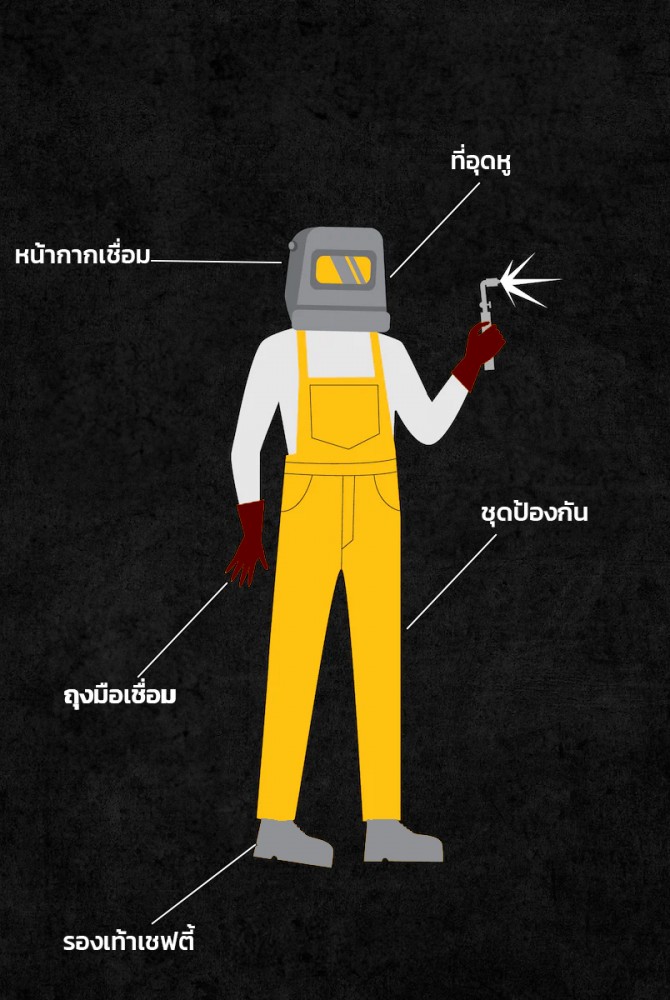
Tips for Using Safety Equipment in Welding
Preparation Before Starting Work
- Inspect every piece of safety equipment to ensure it is in ready-to-use condition, such as checking for tears or damage on gloves, welding helmets, and protective clothing. If issues are found, replace or repair them immediately to prevent potential hazards.
- Wear equipment correctly with a snug fit to ensure it provides effective protection and reduces the risk of coming loose or shifting during operation.
- Keep the work area safe from flammable materials and obstructions by moving flammable objects at least 3-5 meters away from the welding zone and keeping tools neatly organized to minimize the risk of accidents.
During Operation
- Do not touch workpieces directly after welding, as they remain extremely hot and can cause burns or injuries. Wait for the workpiece to cool down or use metal gripping tools instead.
- Ensure adequate lighting and proper ventilation to reduce toxic fumes, including positioning fans or efficient fume extraction systems in the work area to help operators breathe comfortably and reduce respiratory risks.
- Do not keep the welding helmet flipped down obstructing your view while walking, as it may prevent you from seeing obstacles or equipment in the area. Lift the helmet when not welding and walk carefully.
After Work
- Clean all safety equipment regularly using appropriate tools and cleaning agents, such as using a microfiber cloth for welding helmet lenses or a soft brush for removing dust from protective clothing, to maintain equipment in good working order and extend its service life.
- Store equipment in a safe place, such as a tightly closed cabinet away from moisture or heat sources.
- Get regular health checkups, such as eye and lung examinations, to ensure there are no long-term health effects from work, especially regarding vision and the respiratory system.