


 EN
 ไทย


Customers Also Purchased

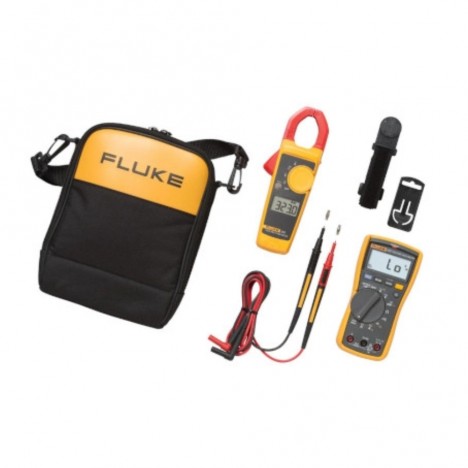

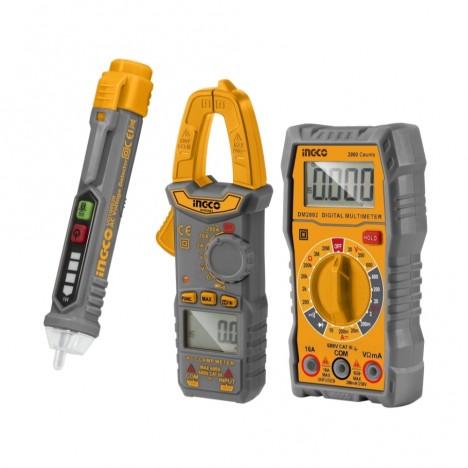

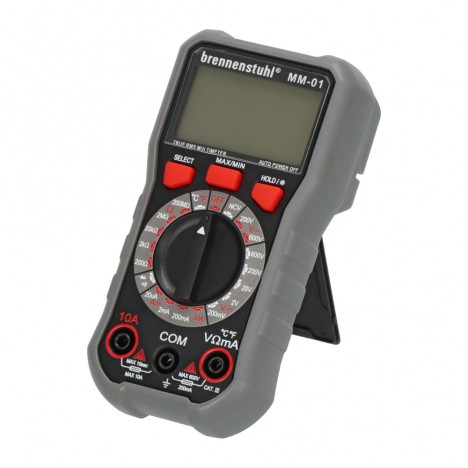
“Multimeters" (Multimeter) is an essential, indispensable electrical measurement tool, whether for repairs, inspections, or electronic DIY projects. Many may have wondered: between an analog multimeter and a digital multimeter, which one is best suited for our needs? This article dives deep into each type—their strengths, limitations, how to read measurements, and how to choose one like a pro.
1. Multimeter Overview
1.1 What is a multimeter?
A multimeter is an electrical measuring instrument that can measure multiple values, such as:
- Voltage or abbreviated as "V"
- Current or “A”
- Resistance or “Ω”
In addition, many modern multimeters can also measure capacitance, frequency, perform diode tests, connect for temperature measurement, or even check continuity with an audible beeper.
1.2 Fundamental Differences Between Analog and Digital
- Analog: Uses a dial with a pointer to display values; users must read the value from the scale on the dial.
- Digital: Uses a numeric display, making it much easier to read the values.

2. Analog Multimeter

2.1 Construction and Operating Mechanism
- Inside, it has a “moving coil” (D’Arsonval movement) or other mechanism that moves the needle according to the electrical signal level.
- The scale has multiple ranges, such as DC voltage, AC voltage, current, and resistance scales, requiring you to turn the rotary switch to select the appropriate measurement range.
2.2 Advantages
- Clear visualization of signal changes
The needle deflects in real time, making it ideal for immediately monitoring fluctuations or swings in voltage/current (such as measuring unstable signal voltages). - Some modes can be used without batteries
Such as measuring DC/AC voltage and current, which rely on power from the circuit being measured (although some functions, like resistance measurement, still require a battery). - Lower cost compared to some digital models
When only basic functions are needed.
2.3 Disadvantages
- Lower accuracy
- Requires skill to read the needle and scale, which can lead to errors
- Internal mechanical components can degrade over time, causing inaccurate readings - Fragile to impact
- Glass faceplate can break, or the needle may stick/lose calibration if dropped - Requires manual range selection
- Selecting the wrong range may cause the needle to peg at maximum, potentially damaging the meter
2.4 Maintenance
- Regularly check and adjust the needle zero point (Zero Adjustment)
- Avoid dropping or subjecting to heavy impacts
- Store in a dry place to prevent moisture from causing internal mechanisms to rust
3. Digital Multimeter

3.1 Structure and Operating Principle
- Uses internal electronic circuitry (A/D Converter) to convert electrical signals into digital numerical data
- Features a digital display (LCD or LED) indicating voltage, current, etc.
- Most models feature "Auto Range", where the multimeter automatically selects the appropriate measurement range
3.2 Advantages
- High accuracy and resolution
Generally has lower error margins and provides detailed readings, such as 3 1/2 digits, 4 1/2 digits, etc. - Easy to read
Suitable for beginners; simply connect the test leads and read the numeric value on the display - Versatile functions
Such as temperature measurement, frequency, capacitance, diode testing, transistor testing, etc. (depending on the model)
3.3 Disadvantages
- Requires batteries
If the battery is dead or too low, readings may be inaccurate or the meter may not turn on at all - Difficult to observe signal fluctuations
Rapid changes will cause the numbers on the screen to jump up and down quickly - Some models with many features can be expensive
The higher the accuracy (such as 4 1/2 digits or more), the higher the price
3.4 Maintenance
- Replace the battery when voltage drops below the specified level
- Should be stored in a dry place away from high humidity and extreme temperatures
- Be careful not to measure beyond the specified range (Overload); although some models have protection systems, it is best not to risk damaging the device
4. In-depth Comparison: Analog vs. Digital

5. Buying Guide

- Type of work
- Analog equipment repair, tasks requiring frequent observation of signal fluctuations → Analog may be the right choice
- General tasks, DIY, high-precision work, industrial applications → Digital is more suitable - Accuracy Level
- If high precision is required, such as measuring low-value resistors or millivolt-level voltages → choose a digital multimeter with high resolution (4 1/2 digits or more) - Additional Functions
- If you need to measure parameters beyond voltage/current/resistance, such as capacitance, frequency, or transistor testing → choose a digital model that supports them
Some analog models may not have many special modes - Budget
- General analog multimeters are usually affordable, but high-grade ones can cost close to mid-grade digital multimeters
- Digital models range from hundreds to tens of thousands of Baht depending on the brand/accuracy - Safety Standard
- For advanced electrical work (such as industrial plants, solar panel voltage measurements, or 3-phase electrical systems), choose brands certified to standards like CAT III, CAT IV (IEC 61010) to prevent electrical hazards
- Reliable brands include Fluke, Hioki, Keysight, Brymen, Uni-T, etc.

6. Safe Usage Techniques
- Always check the measurement range beforehand For both analog and digital, turn the switch to the appropriate range, otherwise it may overload
- Use test leads with good quality electrical insulation Test leads should be rated CAT II/III/IV appropriately for the job site for safety
- Unplug before measuring equipment Especially for resistance measurements or continuity tests, ensure the circuit is de-energized
- Do not touch bare live parts While measuring voltage or current to prevent electric shock
7. Frequently Asked Questions (FAQ)
Q1: If I am a beginner, should I start with an analog or digital multimeter?
A1: Most recommend digital because it is easy to read and has an auto-range function, reducing the chances of incorrect settings
Q2: How often do you need to calibrate a multimeter?
A2: For general use (DIY, home), frequent calibration may not be necessary. For industrial work, accuracy should be tested at least once a year, or as specified in the manual.
Q3: Why is an analog multimeter better for observing fluctuating signals?
A3: Because the needle moves continuously with the signal, making fluctuations immediately visible, whereas digital displays show rapidly changing numbers that can be harder to follow.
Q4: Is buying an Auto-Range model really better than a Manual-Range one?
A4: Auto-Range is convenient for beginners since you don't have to select the measurement range manually, though there may be a slight delay before it settles on the correct range. Manual-Range is ideal for experienced users who know which range to measure in.
8. Quick Summary: Should you choose a digital or analog multimeter?
Analog multimeters are suitable for tasks that require tracking "signal fluctuations" or rapidly changing electrical values. They are easy to read from the movement of the needle, have a classic appeal, and are affordable, but require reading scale dials and are relatively fragile.
Digital multimeters are ideal for beginners or those who need precision. They come packed with functions (measuring capacitance, frequency, temperature, etc.), offer convenient numerical readings, run on batteries, and can be more expensive if high resolution is required.
If you're still not sure which one to choose:
- If you are a beginner looking for general use (DIY, home repairs), it is recommended to start with a digital multimeter because you don't need to constantly adjust the switch to the right range (Auto-Range) and readings are easy and accurate.
- If you need to observe fluctuating signals or prefer a classic feel, choose an analog multimeter, as the needle continuously displays signal changes, making it well-suited for tuning or repairing analog equipment.
- For high-precision tasks or industrial work, a high-quality digital multimeter (with CAT III, CAT IV ratings) is recommended for safety and accurate readings.
Ultimately, choosing between an "analog multimeter” or “digital multimeter" depends primarily on the nature of the work and the user's familiarity. If you prioritize easy readings and high precision, digital definitely meets the need. But if you're comfortable with a needle dial or need to observe continuous signal changes, analog still retains its charm and practical efficiency!