


 EN
 ไทย


Customers Also Purchased
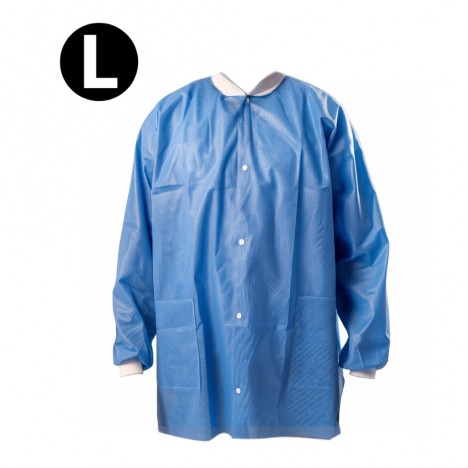

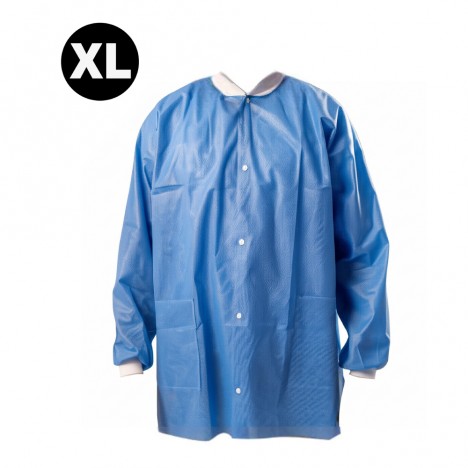
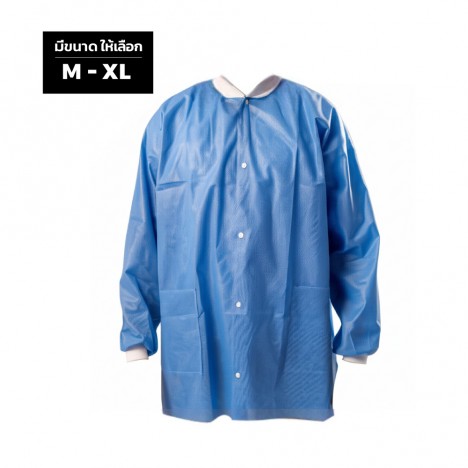
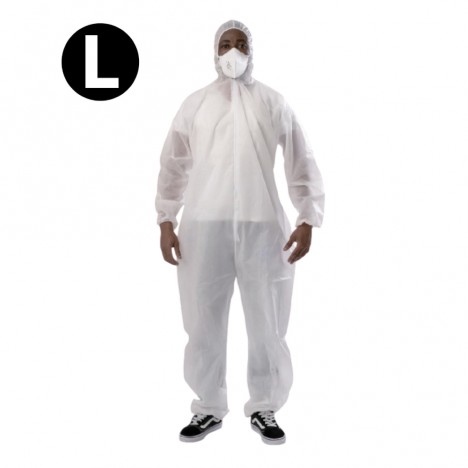
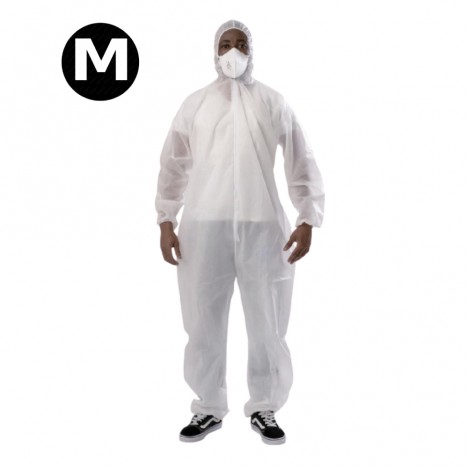
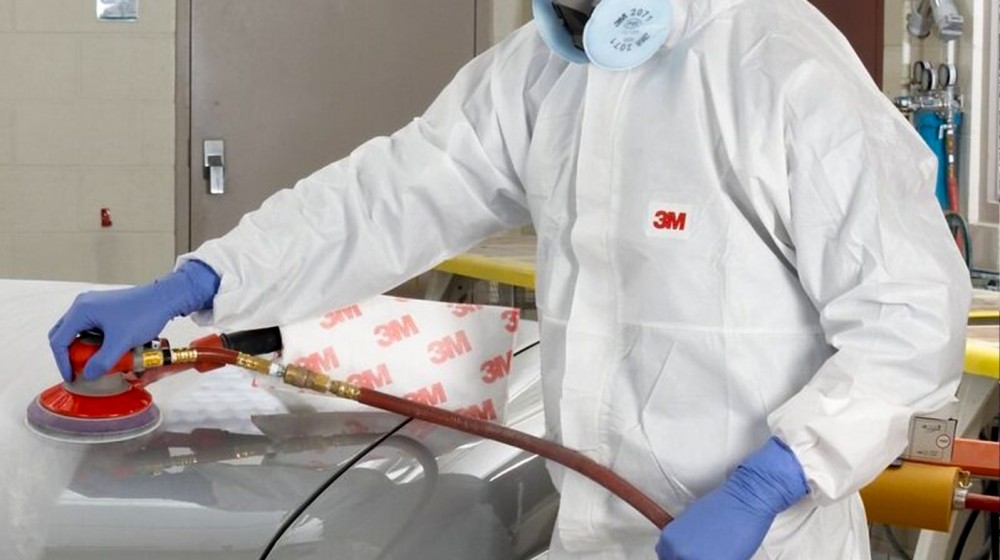
When using a Chemical Protective Clothing It is the most critical part in reducing the risk of exposure to various types of chemicals, which can directly affect your health and safety—whether through skin contact, inhalation of vapors, or exposure to chemicals in liquid or gas form. If a protective suit is used incorrectly or inappropriately, it may fail to serve its intended purpose or increase the risk of accidents.
In this article, I will compile common mistakes encountered when using chemical protective suits along with recommendations on how to avoid them, helping users work safely and with maximum efficiency.
The Importance of Using Chemical Protective Suits Correctly
Proper use of chemical protective suits is essential for protecting the user's health. Chemical protective suits not only reduce the risk of chemical exposure, but also help prevent long-term health issues such as skin irritation, respiratory diseases, or effects from toxic chemicals. In addition, proper usage builds operational confidence, enhances credibility in workplace safety standards, and reduces the likelihood of accidents that could cause health damage as well.
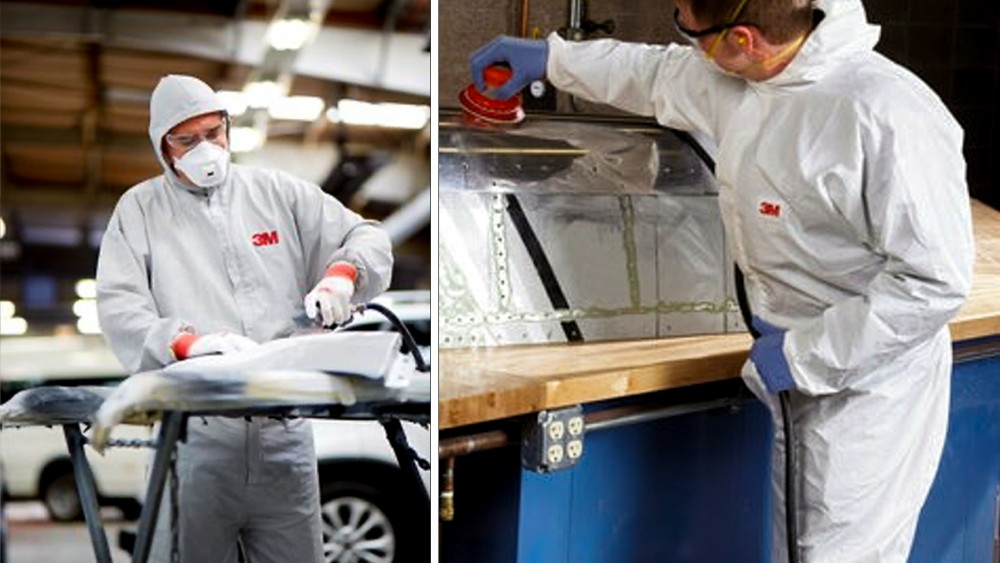
Common Mistakes When Using Chemical Protective Suits
1. Selecting a chemical protective suit that is inappropriate for the chemicals
- Using a Tyvek suit with concentrated chemicals that require a PVC suit may prevent the suit from protecting against chemicals effectively.
- Choosing gloves that are not resistant to organic solvents, such as using regular rubber gloves instead of nitrile gloves or gloves specifically designed for chemicals.
How to Avoid
- Carefully review the chemical's SDS (Safety Data Sheet) before selecting a suit, focusing on key information such as toxicity, corrosiveness levels, and bodily effects to help determine the appropriate suit for that type of chemical.
- Consult with experts or protective equipment suppliers for recommendations tailored to your specific application scenarios, including accessories that should be used in combination, such as specialized gloves or respirators.
2. Wearing the suit incorrectly
- Failing to check that the seals around the wrists and ankles are secure can allow chemicals to easily seep inside the suit.
- Wearing a mask without a tight seal or without adjusting the straps to fit the user's facial shape may allow chemical vapors to enter the respiratory system.
How to Avoid
- Inspect all parts of the suit before starting work, focusing on the seals at the wrists, ankles, and neck to prevent chemicals from penetrating into the body.
- Use a mirror or have a coworker help check the tightness of the suit, as well as ensure that connection points or zippers are in complete, proper condition.
3. Failing to inspect the suit for damage before use
- Using a suit with minor tears without repairing or replacing it may allow chemicals to penetrate through these weak points, increasing the risk of direct exposure.
- Using expired gloves where the material may have degraded to the point that it can no longer provide effective chemical protection.
How to Avoid
- Inspect the protective suit before every use, focusing on checking the seals at the wrists, ankles, and all connection points to prevent chemical ingress.
- If any damage is found, such as tears, stains, or loose seals, replace it with a new suit immediately for maximum safety.
4. Improper storage of the suit
- Storing suits in areas with high humidity, such as poorly ventilated rooms, can cause the suit material to develop mold and deteriorate.
- Placing suits near heat sources or sunlight may cause the material to become brittle or lose its chemical protective properties.
How to Avoid
- Store suits in a cool, dry place away from chemical sources and direct sunlight to prevent material degradation.
- Use sealed boxes or bags to protect against dust, moisture, and pests that could damage the suit.
- If the storage area has high humidity, use additional desiccants such as silica gel to maintain dryness within the storage space.
5. Using suits past their service life
- Using suits manufactured more than 5 years ago, where materials may have degraded and cannot effectively protect against chemicals, such as seals becoming loose or materials turning brittle upon contact with chemicals.
- Using masks with expired filters, which may not fully filter hazardous vapors or particles, increasing the risk of inhaling toxic substances.
How to Avoid
- Carefully check the manufacturing and expiration dates of the suit to ensure it still maintains its full chemical protection performance.
- Follow the manufacturer's recommendations for replacing suits and accessories, such as replacing gloves or mask filters within the specified intervals.
- Maintain a recording system or tracking log for the service life of protective suits to help ensure equipment is replaced at the appropriate time.
6. Improper cleaning of suits
- Using corrosive cleaning agents, which may degrade the protective suit material or compromise its protective properties.
- Not rinsing off chemicals before cleaning, leaving chemical residues on the suit that could cause contamination or hazards during subsequent use.
How to Avoid
- Use cleaning agents suitable for the suit material, such as non-corrosive cleaners or chemicals that are safe for the specific material of the protective suit.
- Rinse off chemicals with clean water before cleaning to prevent residue buildup that could cause contamination or material damage.
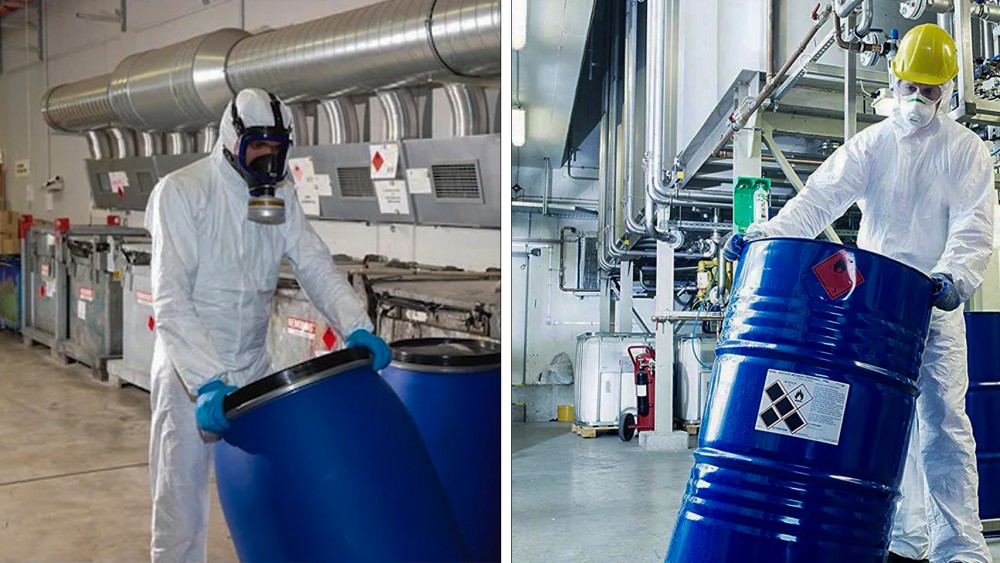
How to avoid mistakes when using chemical protective suits
1. Education and training
- Study the characteristics of the chemicals you will encounter and select a suit made of suitable materials and standards, such as suits certified to CE or ISO standards.
- Safe donning and doffing procedures, such as ensuring all seals are tight and removing the suit while avoiding contact with contaminated surfaces.
- How to inspect suits before and after use, such as checking for damage, tears, or degraded seals, including proper cleaning and storage
2. Using Accessories
- Nitrile gloves for organic chemicals are resistant to permeation by a wide variety of chemicals, including high-concentration organic solvents, making them suitable for laboratory work or the chemical industry.
- PVC boots for wet areas offer water resistance and protection against diluted chemicals, along with anti-slip properties to enhance safety when working in wet environments or where liquid spills occur.
3. Inspecting the Suit Before and After Use
- Check for damage such as tears, stains, or brittle materials that may prevent the suit from offering full protective performance.
- Check seals and zippers to ensure they close tightly and show no signs of tearing or deterioration.
- Inspect accessories such as gloves, masks, and boots to ensure they are in good condition, ready to use, and not expired.
4. Proper Maintenance and Storage
- Store in a cool, dry place with temperature and humidity control to prevent material degradation.
- Use dedicated, tightly sealed storage boxes or bags for protective suits to protect against dust, insects, or other contaminants.
- Avoid placing the suit near heat sources or direct sunlight, as heat and UV radiation can cause the material to become brittle or lose its protective properties.
5. Replacing the Suit When the Time Comes
- Tears or damage that cannot be repaired, such as tears in critical seal areas or deep chemical stains that cannot be washed out.
- Suits subjected to heavy use, such as repeated exposure to corrosive chemicals, which can degrade the suit's material and prevent it from providing effective protection.
Conclusion
Mistakes in using chemical protective suits can arise from a lack of knowledge, insufficient caution, or neglecting proper procedures. Avoiding these mistakes not only enhances workplace safety, but also reduces long-term health risks. By selecting the right suit, using it correctly, and maintaining it properly, users can rest assured that the chemical protective suit will perform at its full potential every time.