


 EN
 ไทย


Customers Also Purchased
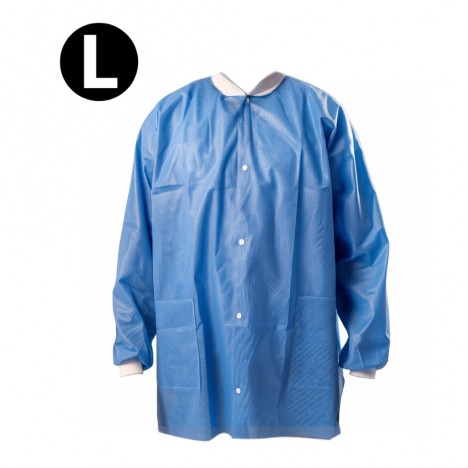
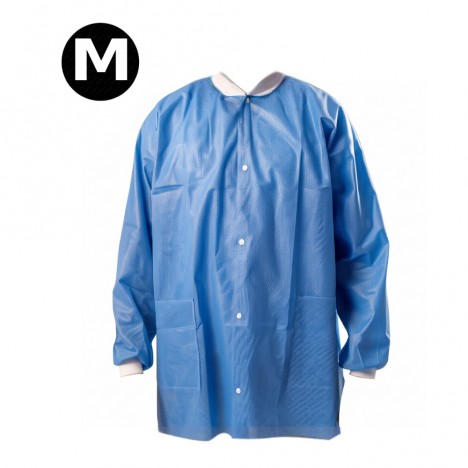
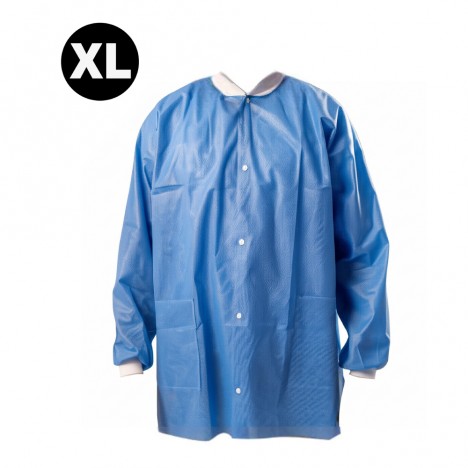
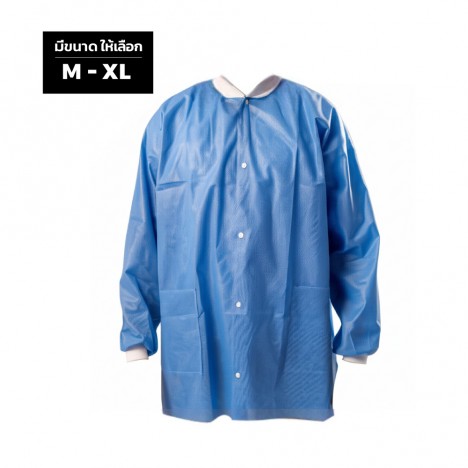
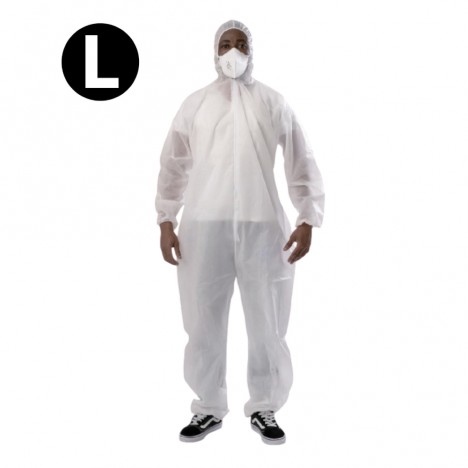

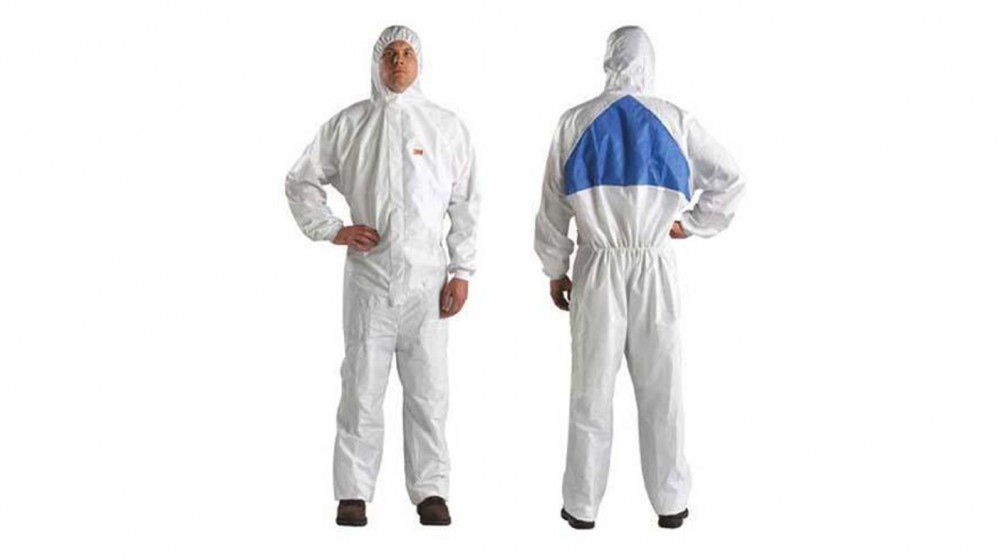
Chemical protective suits are considered one of the most essential pieces of equipment if you work in environments with a risk of exposure to hazardous chemicals. Whether working in industry, laboratories, or even in emergency situations, selecting a quality chemical protective suit that complies with safety standards should never be overlooked. In addition to protecting wearers from risks, an appropriate chemical protective suit also enhances work efficiency and helps reduce long-term health impacts.
In this article, I will introduce you to key standards for Chemical Protective Clothing Along with recommendations for choosing the right suit for your needs and job requirements. If you're ready, let's dive in!
Safety Standards for Chemical Protective Suits
EN Standards (European Norms)
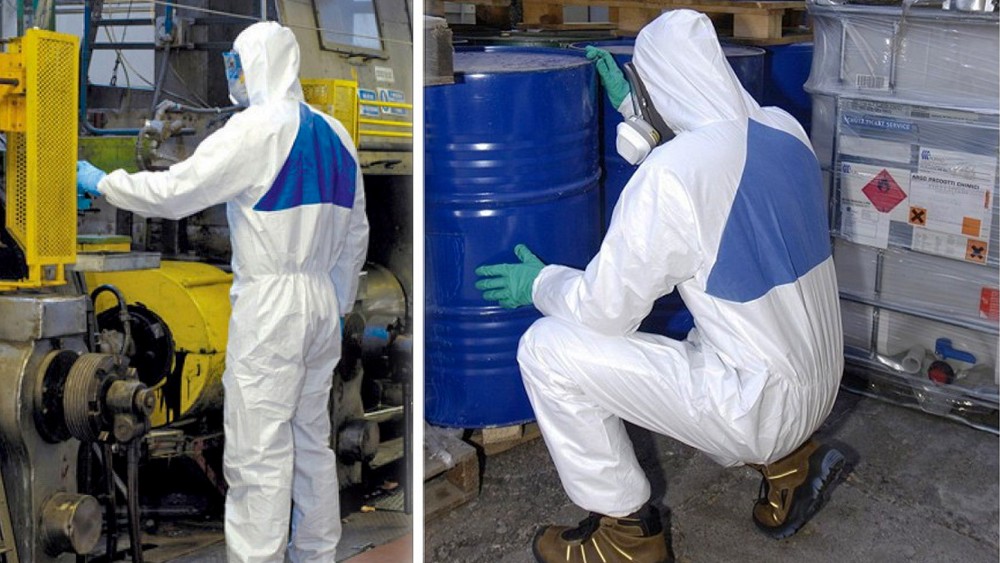
The EN standard is widely recognized in Europe, focusing on evaluating the performance and protective capabilities of various chemical protective suits to meet user needs in different environments. This standard covers testing properties of chemical protective suits such as chemical permeation resistance, pressure resistance, and antistatic protection, ensuring that the chemical protective suit can be used safely and with maximum efficiency in every situation.
- EN 14605: For suits designed to protect against chemical liquids and sprays. These suits are suitable for jobs with a risk of direct contact with liquid chemicals, such as chemical industry operations and heavy-duty cleaning tasks.
- EN 13982-1: For suits capable of protecting against chemicals in solid form or fine dust, helping reduce exposure to potentially hazardous particles, such as working in areas with chemical dust.
- EN 13034: For suits offering light protection against low-level chemical splashes, suitable for tasks with minimal chance of chemical exposure, such as chemical packaging.
- EN 1149: For suits with antistatic properties, suitable for use in environments with risks from static electricity or explosions, such as electronics manufacturing plants and warehouse operations.
ANSI/ISEA Standards (American National Standards Institute / International Safety Equipment Association)
The ANSI/ISEA standard is a key standard used in the United States, focusing on establishing the quality and standards of chemical protective suits to suit applications in high-risk industries. This standard covers design, performance testing, and material certification to ensure the protective suit can be used safely in chemical-laden environments. It also helps users confidently select a chemical protective suit that meets the specific needs of each situation.
- ANSI/ISEA 103: This standard specifies clear requirements for the design and performance evaluation of chemical protective suits, prioritizing user protection in high-risk environments in terms of material durability, wearing comfort, and resistance to various chemicals.
- ANSI/ISEA 101: A standard designed to support a wide range of applications and situations, covering protective capabilities and adaptability for specialized tasks such as industrial work, laboratory protection, and emergency response.
ISO Standards (International Organization for Standardization)
ISO is a globally recognized international standard for setting guidelines and specifications for chemical protective suits. This standard focuses on certifying material quality, functional design for risky environments, and evaluating protective capabilities against diverse chemical types. Additionally, ISO standards give users worldwide confidence in suit performance and safety, while enhancing protection against exposure to chemicals that may pose health hazards.
- ISO 16602: This standard is an essential tool for classifying and testing the performance of chemical protective suits to ensure they can handle various types of chemicals effectively, focusing on analyzing protective properties, permeation resistance, and material durability.
- ISO 6530: This standard focuses on evaluating a material's ability to protect against splashing or leaking chemicals. The test considers absorption, penetration resistance, and operational safety to assure users that the material meets protective needs in real-world situations.
Types of Chemical Protective Suits According to Standards
Chemical Protective Suits Type 1 to Type 6
The EN 14605 and ISO 16602 standards define types of chemical protective suits as follows:
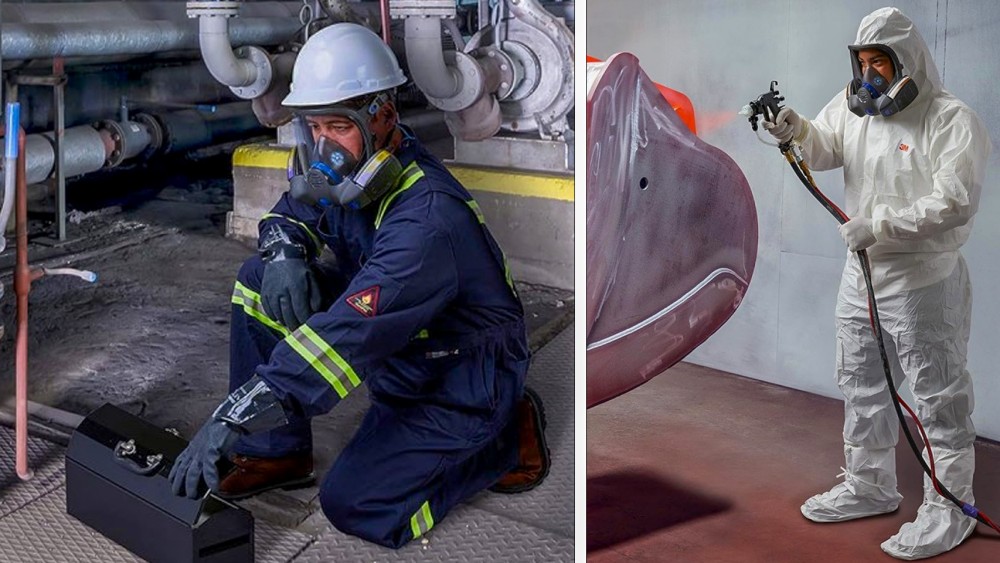
- Type 1: Fully enclosed gas-tight protective suit used for protection against gases and chemical vapors, suitable for working in areas with high-risk vaporizing chemicals, such as the petrochemical industry.
- Type 2: Protective suits with an internal air supply system, helping reduce exposure to vapors and chemical gases; ideal for laboratory work or confined spaces with hazards.
- Type 3: Suits capable of protecting against high-pressure liquids; suitable for manufacturing processes involving spraying or high-pressure chemicals.
- Type 4: Spray-tight suits; ideal for cleaning or maintenance work in low- to medium-risk areas.
- Type 5: Suits that protect against dust and fine particles; suitable for construction, sanding, or working in areas with chemical dust.
- Type 6: Suits that provide protection against light chemical splashes; used for general tasks with potential exposure to small amounts of chemicals.
Materials Used in the Manufacture of Protective Suits
- Polyethylene (PE): Suitable for liquid protection
- Tyvek: Lightweight, ideal for protection against dust and chemical aerosols
- PVC: Used for tasks requiring resistance to concentrated chemicals
- Neoprene: Protects against high-temperature chemicals
Conclusion
Properly selecting and using chemical protective suits in accordance with safety standards is a crucial factor in reducing risks when working in hazardous environments. Various factors must be considered, such as the chemical type, concentration, exposure duration, and the working environment. In addition, proper maintenance and the use of appropriate accessories will enhance safety and effectively extend the lifespan of the protective suit.