


 EN
 ไทย


Customers Also Purchased



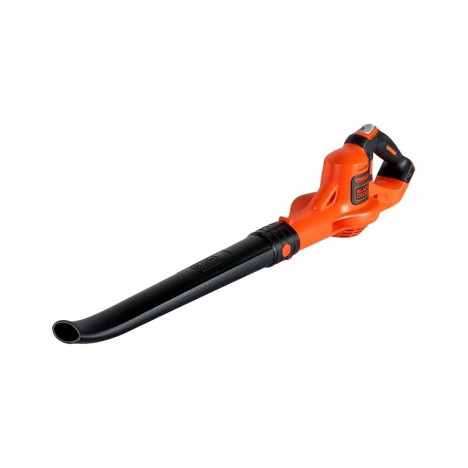

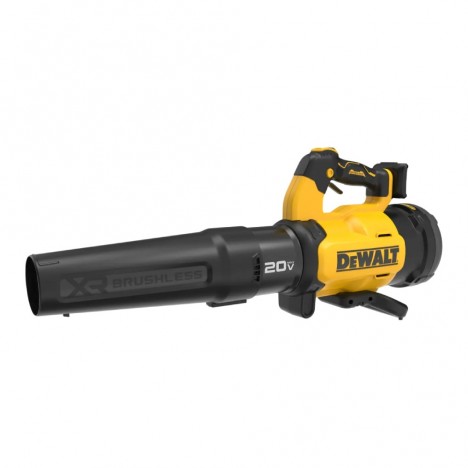

Main Components of a Blower
Blowers are designed with various components that work together efficiently and serve several key purposes as follows:
- Electric Motor: Converts electrical energy into mechanical energy to rotate the fan blades. Motors are available in multiple sizes and power ratings depending on the application, ranging from general household tasks to industrial work.
- Fan Blade: Designed to create a consistent airflow. The speed and size of the fan blades directly affect the air volume and air pressure produced. Well-designed blades help reduce noise and increase operational efficiency.
- Air Filter: An essential component that helps prevent dirt, dust, and debris from entering the motor and internal parts, allowing the machine to operate continuously and extending its service life.
- Air Inlets and Outlets: Parts designed to regulate air flow. Well-designed vents help precisely increase the speed and direction of the discharged air.
- Speed Controller: Allows users to easily adjust the airflow intensity to suit their needs, such as gentle dusting or using high airflow for cleaning large areas, like blowing leaves, which requires heavier air force.
Operating Principles of a Blower
A blower operates based on the fundamental principles of air circulation, which can be divided into the following steps:
- Electrical Power Delivered to the Motor: When the machine is turned on, electrical power from the power source or battery is supplied to the electric motor. The motor converts electrical energy into mechanical energy through the rotation of the shaft or rotor.
- Blade Rotation Generates Airflow: The fan blades mounted on the motor shaft begin to spin at high speed. This rotation draws air into the air inlet and pushes air out through the air outlet in the form of high-speed, high-volume airflow.
- Pressure and Airspeed Control: In some models, the blades are designed to generate high air pressure by increasing airspeed and pressure for applications that require precision and high efficiency, such as cleaning in tight spaces or use in complex manufacturing processes.
- Adjustment System Control: Most blowers feature an adjustment dial or airflow control switch so users can adjust the airflow strength as appropriate, such as using low airflow for light dusting or high airflow to clear heavy debris.
Key Factors Affecting Blower Performance
- Motor Power: A motor with higher wattage can generate greater airflow, improving operational efficiency, especially in industrial applications requiring continuous and powerful air force.
- Blade Design: Properly designed blades increase air force, reduce energy loss, and minimize noise. Blades made from high-quality materials, such as aluminum or heat-resistant plastic, also reduce wear and tear and extend service life.
- Cooling System: An effective cooling system prevents the motor from accumulating excess heat, which could otherwise negatively impact performance and the tool's lifespan.
- Power Source Type: Corded electric blowers are suitable for continuous use, while cordless battery-powered blowers offer portability and can be used even in areas without access to electricity.

Daily Applications of Air Blowers
Air blowers provide diverse benefits and applications in daily life and industrial settings, such as:
- Cleaning: Used to blow away dust, debris, or fallen leaves around homes, garages, or gardens.
- Agricultural Work: Used to reduce moisture in agricultural produce, such as rice grains or post-harvest crops.
- Industrial: Used in machine cleaning processes or surface preparation prior to coating or painting.
- DIY Projects: A useful tool for blowing away debris in craft and workshop projects, such as woodworking or model making.
Key Facts and Usage Recommendations
- Choose the Right Tool: Select an air blower with power and size suitable for the task, whether light-duty, heavy-duty, or large-area coverage.
- Maintain the Tool: Clean air filters and inspect the motor regularly to prevent clogs and minimize the risk of damage.
- Operate Safely: Always wear safety goggles and a dust mask to protect against foreign particles entering your eyes or respiratory system.
- Read the Manual: Study the manufacturer's manual and instructions before use for maximum safety and performance.

Conclusion
Blowers This is an essential and highly beneficial tool for cleaning tasks and diverse industrial applications. The operating principle of an air blower relies on converting electrical energy into mechanical energy to generate high-speed, high-pressure airflow. Understanding the structure and working mechanisms of an air blower helps users choose the right tool appropriately and safely, while extending its service life for a worthwhile long-term investment.