


 EN
 ไทย


Customers Also Purchased
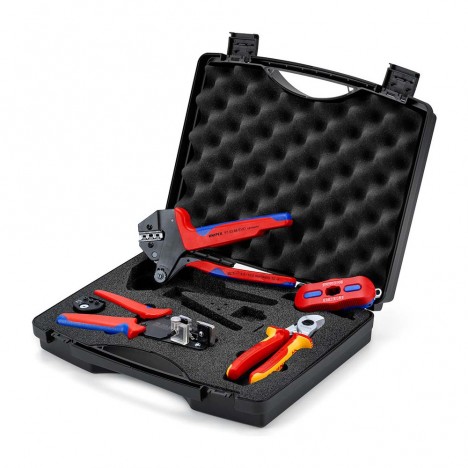

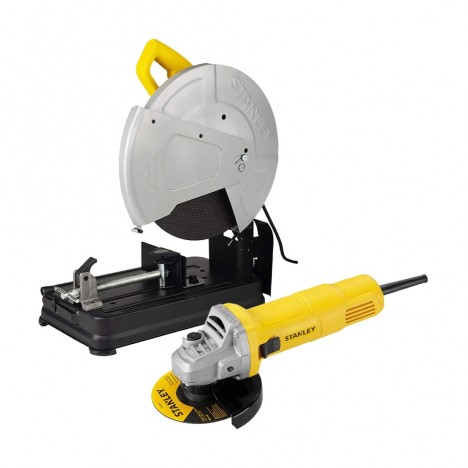


Choosing Mechanics Tool Set The right tools not only help your work run smoothly, but also improve efficiency and reduce the risks of using the wrong type of tool. In addition, it helps you save working time and enhances the quality of your repairs or builds. In this article, I will discuss how to choose the right tool set for your needs, including various factors and specific recommendations for both beginners and professionals, highlighting the essential features each tool set should have so that your investment is worthwhile and meets your needs. If you're ready, let's dive into the article.
Why is choosing the right tool set important?
Reduce the risk of accidents
Many people may overlook this, but using the wrong type of tool set can lead to unexpected accidents—whether injuries from sharp objects, electric shock, or even more serious dangers. Choosing the right tool set not only reduces the likelihood of these mishaps, but also boosts your confidence while working. In addition, selecting the proper tool set helps prevent damage to your materials or work area, such as drilling in the wrong spot or overtightening to the point of ruining the workpiece. Being cautious and correctly choosing a tool set is key to effectively preventing these issues.
Increases Work Efficiency
A good tool set suited to the task can help you work faster and cleaner by eliminating unnecessary troubleshooting. Furthermore, an appropriate tool set reduces fatigue from prolonged work—such as using a screwdriver to drive screws consistently and securely—thereby increasing confidence in the final result. Whether for small repairs like assembling furniture or larger projects like home renovations, the precision and efficiency of your chosen tool set are at the very heart of quality workmanship.
Long-term cost savings
Investing in a high-quality tool set may have a higher initial cost, but in the long run it substantially cuts down on future repair or replacement expenses. Moreover, high-quality tools offer superior precision and durability, leading to a noticeable boost in work efficiency. For example, a screwdriver from a reputable brand will last far longer than generic tools and reduce the hassle of frequent breakdowns. Investing in a good tool set therefore prevents redundant spending while enhancing user safety over the long haul.

Factors to consider when choosing a tool set
General home repairs
Home repairs are the most common tasks, and having a complete set of basic tools will help you handle a wide variety of situations. Essential tools include:
- Hammer: Used for driving nails or adjusting wooden structures, such as furniture or doors.
- Screwdrivers: Essential for tightening screws or disassembling parts; it is recommended to have both flathead and Phillips head types.
- Pliers: Suitable for gripping and cutting materials such as wire or electrical cords.
- Adjustable Wrench: Used to conveniently tighten or loosen nuts and bolts of various sizes.
- Measuring Tape: Helps measure areas or workpieces accurately.
- Utility Knife: Used for cutting various materials such as boxes or strapping bands.
- Flashlight: Enhances convenience in low-light conditions or tight, dark corners.
Electrical Work
Electrical work requires special caution due to high risks if unsuitable tools are used. Essential tools include:
- Insulated Screwdrivers: Help protect against electric shock while driving screws in electrical tasks, such as installing power outlets or switches.
- Multimeter: Measures voltage, current, and resistance to ensure the electrical system operates normally.
- Long Nose Pliers: Used for gripping or twisting wires in tight, confined spaces.
- Wire Cutters: For cutting wires or cables with precision.
- Voltage Tester: Helps check whether electrical current is present at various points in a circuit.
- Electrical Tape: Used to prevent electrical leakage on newly spliced or repaired wires.
Woodworking
Woodworking requires high craftsmanship and precision; therefore, your tools should help you work more conveniently and efficiently. Essential tools include:
- Hand Saw: Used to cut timber to the exact size, suitable for tasks requiring high precision.
- Wood Chisel: Suitable for carving, trimming wood edges, or cutting mortise and tenon joints in furniture work.
- Wood Clamps: Used to hold workpieces securely during drilling, cutting, or sanding to prevent movement.
- Sander: For smoothing wood surfaces before painting or applying clear finishes.
- Spirit Level: Helps check the alignment and balance of workpieces to ensure woodworking looks great and meets standards.
- Wood Drill: Used for drilling holes in wood to install dowels or screws.
- Carpenter's pencil: used for marking wood for precise cutting or drilling.
Construction work
Construction work requires tools that are strong, durable, and capable of handling heavy-duty use. Essential tools include:
- Drills: used for drilling holes in walls, concrete, or hard materials such as steel and wood. Choose high-power drills compatible with a variety of drill bits.
- Metal cut-off machines: for cutting metal, rebar, or steel pipes in construction work. Choose a machine with high-quality cutting discs and safety systems.
- Electric screwdrivers: help speed up screwdriving in installation work, such as drywall or steel framing.
- Spirit levels: to help check the alignment and balance of structures and surfaces to meet standards.
- Plate compactors: used to compact soil or sand surfaces before construction.
- Circular saws: for cutting wood or sheet materials, such as plywood or fiber cement boards.
- Personal Protective Equipment (PPE): such as safety helmets, gloves, safety shoes, and safety glasses, for safety while working.

Quality of Materials and Tools
- Choose tools made from high-quality materials, such as carbon steel for screwdrivers or wrenches, because this material offers high strength, durability, and excellent heavy-duty capability.
- Check for anti-rust coatings, especially for tools used in damp areas or outdoors, to extend their service life.
- Choose tools that have undergone heat treatment, which enhances wear resistance and reduces the risk of damage during use.
- For power tools, check that the housing material can withstand heat and vibration well, such as ABS plastic or polycarbonate.
Brand and Manufacturer
- Choose reputable brands such as Knipex, Wera, Milwaukee, or Makita, which are renowned for quality and durability in the tool market.
- Read reviews from real users on online sources, such as manufacturer websites or retail stores, to evaluate quality and reliability.
- Check the product warranty period, which is often an indicator of the manufacturer's confidence in their products.
- Consider after-sales service, such as repairs or spare parts availability, to ensure that the tools can be used in the long term.
Precautions when purchasing tool sets
- This point is strongly emphasized: avoid counterfeit tools. Inspect symbols and packaging thoroughly, such as clear logo printing and a serial number that can be verified on the manufacturer's website.
- Inspect the product's condition. Don't forget to check that there are no cracks, fissures, or loose components before purchasing—especially with power tools, which can affect safety.
- Check reviews from real users. Look for reviews on trustworthy websites or online communities to evaluate the quality and experiences of actual users, including the product's pros and cons.
- Compare prices. Don't rush; you should compare prices from multiple sources. We recommend iToolmart, which offers a wide selection both in-store and online.
Conclusion
Choosing the right tool set requires considering multiple factors, such as the type of work, material quality, budget, and brand. Starting with basic tools for beginners or selecting specialized tools for professionals can help boost work efficiency. Investing in the right tool set will help you work more safely and conveniently on every project you take on!