


 EN
 ไทย


Customers Also Purchased


1. Types of Vacuums Suitable for Workshop Jobs
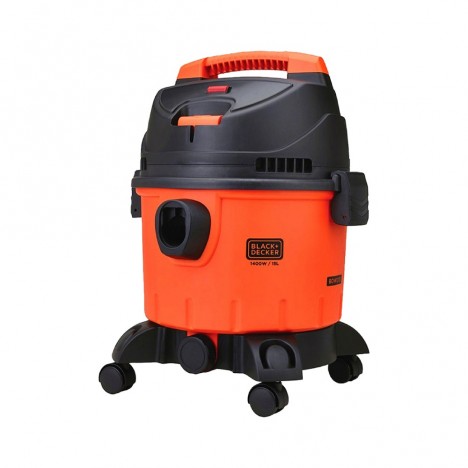
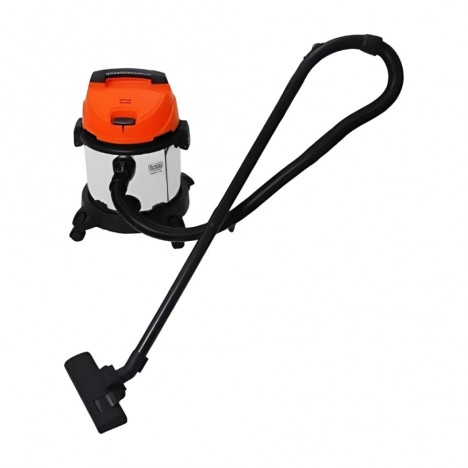
- Wet and Dry Vacuum: Ideal for jobs involving both dry debris and liquids, such as construction or factory work, offering versatile uses like vacuuming spilled water or collecting large construction debris.

- Industrial Vacuum: Designed for heavy-duty jobs requiring large-volume dust extraction, such as wood chips, concrete, or metal debris. Its large tank capacity and high durability make it ideal for use in factories or high-dust job sites.

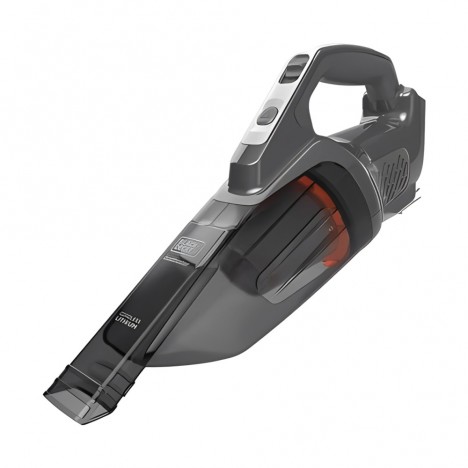
- Portable Vacuum: Compact and lightweight, ideal for DIY tasks or jobs requiring frequent mobility, such as working in confined spaces or cleaning up after small repairs.

- Dust Extractor: Designed to connect with power tools such as saws or sanders to reduce dust generated during work and enhance safety.

- Cyclone Vacuum: Ideal for jobs requiring the extraction of ultra-fine dust, such as manufacturing or chemical industry applications, featuring a filtration system that minimizes clogging.

2. Consider Suction Power
- Construction Work: Choose a machine with suction power of 1,200 watts or more to vacuum concrete rubble, brick fragments, and large debris resulting from demolition or construction.
- Woodworking: Use a vacuum with high suction power equipped with a fine dust filter, such as for wood dust from sawing or sanding, to prevent the spread of fine dust that could cause health issues.
- Industrial Work: For jobs requiring high-volume dust extraction, such as in factories or large job sites, opt for a machine with suction power exceeding 2,000 watts, along with a large dust container and a durable filtration system.
- Repair or DIY Work: Choose a machine with moderate suction power, such as 800-1,000 watts, with auxiliary features that aid minor repairs, like a flexible hose and specialized nozzles for tight spaces.
3. Filtration System
- HEPA Filter: A high-grade filter that can capture particles as small as 0.3 microns, ideal for applications requiring reduced risk of dust inhalation, such as woodworking, construction, or working in enclosed spaces.
- Multi-stage Filtration System: Multi-layer filters help trap various types of debris, such as metal shavings, concrete dust, or mixed materials of different sizes.
- Water filtration system: Suitable for tasks involving suction of liquids, such as oil, water, or chemicals.
- Washable filter: Helps reduce long-term costs and is ideal for frequent vacuum cleaner use.
- Automatic filter cleaning system: Reduces maintenance and helps maintain long-term machine performance.

4. Dust Tank Capacity
- Small size (less than 10 liters): Suitable for small tasks that do not require much dust storage, such as vacuuming in cars.
- Medium size (10-20 liters): Suitable for general tasks, such as cleaning in small workshops or factories.
- Large size (more than 20 liters): Suitable for heavy-duty work, such as large construction sites, handling concrete debris, wood chips, or metal shavings.
- Transparent dust tank: Allows for easy monitoring of internal dust levels.
5. Recommended Additional Features
- Blower function: Helps blow dust or debris out of hard-to-reach areas.
- Long power cord or battery power: Increases mobility when cleaning over large areas.
- Multiple nozzle attachments: Enables the vacuum cleaner to handle a wide variety of tasks.
- Anti-Static System: Reduces the risk of static electricity buildup.
- Timer function: Suitable for tasks that require continuous vacuuming.
- LED work light: Enhances efficiency when working in low-light conditions.
- Noise reduction system: Ideal for environments that require low noise levels.

6. Buying Advice
- Assess job requirements: Identify the types of dust and debris to be vacuumed, as well as the frequency of use.
- Set a budget: Determine your budget and consider whether the chosen vacuum cleaner offers good value.
- Test before purchase: Check actual operation, such as testing suction power or the filtration system.
- Consider warranty and after-sales service: Choose a brand with dependable after-sales support
- Read reviews and consult actual users: Helps provide an overview of the quality
Conclusion
Choosing Vacuum Cleaners for workshop applications isn't solely about price, but requires careful consideration of other factors such as suction power, filtration systems, and various additional features. Choosing the right vacuum cleaner not only enhances work efficiency, but also helps reduce health risks and elevates the quality of your craftsmanship.