


 EN
 ไทย


Customers Also Purchased


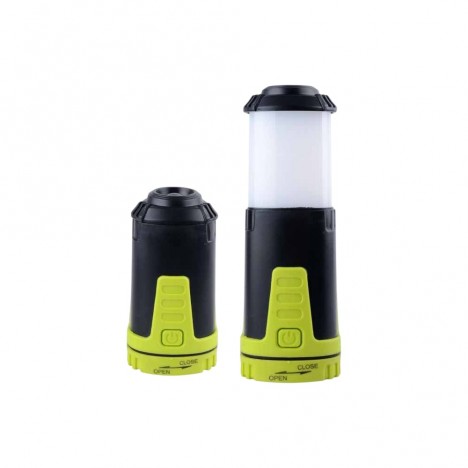
Trekking is an outdoor activity that requires thorough preparation to ensure a smooth and safe journey. One of the indispensable pieces of equipment for trekking is Flashlight Because a flashlight is an essential aid at night or in situations requiring illumination. Let's look at what features a suitable trekking flashlight should have, and why it is an item you should always carry.
Why a flashlight is essential for trekking
- Provides night-time illumination: The forest has limited natural light. A flashlight helps you clearly see trails, obstacles, wildlife, and insects.
- For safety: In an emergency, such as getting lost or injured, a flashlight helps you signal for help or navigate trails more easily.
- Provides peace of mind: Having a flashlight eliminates worries about moving around in the dark and ensures your camping or nighttime activities are smooth and comfortable.

Key Features of Hiking Flashlights
- High Brightness Flashlights used for hiking should have sufficient brightness to clearly reveal trails or obstacles. Flashlight brightness is measured in lumens, and it is recommended to choose a flashlight with 300 lumens or more for use in forested or mountainous areas.
- Long Battery Life Hiking trips can sometimes last several days. Choosing a flashlight with high battery capacity or one that can be recharged via backup power sources—such as a power bank or solar panels—ensures long-lasting use without worrying about running out of power along the way.
- Durable and Waterproof Forest environments can be humid or rainy. A flashlight with an IPX4 or higher waterproof rating and shock-resistant materials will give you confidence that it can perform in any situation.
- Lightweight and easy to carry Hiking requires lightweight gear to avoid being a burden. A flashlight that is compact yet delivers sufficient illumination will make carrying it much more convenient.
- Versatile Light Modes A good hiking flashlight should offer multiple light modes—such as high beam, low beam, or SOS strobe—for versatile use in different situations.
- Flexible Charging Options Flashlights that can be recharged via USB or support replaceable batteries provide added convenience, especially when extended use is needed.

Types of Flashlights Suitable for Hiking
There are several types of flashlights suitable for hiking, depending on usage needs and preferences. Each type has its own distinct advantages and highlights as follows:
- Handheld Flashlight Handheld flashlights are the most popular choice because they are portable and easy to use, ideal for those who need light for night walking or general camp activities. This type is usually small and lightweight, yet provides adequate illumination for close-range visibility.
Example: BENEX Zoom Smart ET-0946 LED Flashlight - Black

- Headlamp For those who need to keep both hands free—such as during mountain climbing or pitching camp at night—a headlamp is an ideal choice, allowing you to carry out various tasks comfortably without having to hold a light.
Example: BENEX ET-0238 LED Headlamp

- Multi-function flashlight This type of flashlight is designed to support a variety of uses, such as adjusting multiple light modes or featuring additional functions like an SOS flashing light. It is ideal for emergency situations or for those who need a flashlight with more than one function.
Example: SATA 90607 600LM Multi-function Spotlight Flashlight

- Large area light For illuminating wide areas such as campsites or cooking areas, this type of light provides extensive illumination, ideal for activities requiring strong and consistent light.
Example: Milwaukee M18 PAL-0 LED Pivoting Area Light

How to choose a hiking flashlight
Choosing a hiking flashlight is not just about brightness or design, but also about suitability for the environment and intended use. Here are key factors to consider:
- Purpose of use
- If you plan to hike in general open terrain, choosing a handheld flashlight with medium to high lumens will help you see the path clearly.
- For climbing or tasks requiring free hands, such as setting up camp, a headlamp is recommended.
- If you need a flashlight for emergency situations, opt for a multi-function flashlight with an SOS mode.
- Brand quality
- Reliable brands such as Benex, Milwaukee, Makita, or Bosch typically have strong reputations for quality and product warranties.
- Read user reviews to ensure the product is suitable for your hiking needs.
- Materials and build quality
- Choose a flashlight made from durable materials, such as high-grade aluminum or reinforced plastic.
- Check for water resistance (IPX4 rating or higher) to prevent moisture damage.
- Portability
- A compact, lightweight flashlight equipped with a lanyard or clip will add convenience while hiking.
- Battery and Charging
- Choose a flashlight that can be charged via USB or uses easily available spare batteries, such as AA or AAA batteries.
- For long-distance trips, choose a flashlight that supports solar charging to conserve power.
- If you need a flashlight that provides long-lasting illumination in areas without a power source, choosing one that uses high-capacity batteries, such as large lithium battery packs (power bank or built-in types), will effectively extend runtime and reduce charging frequency. However, be sure to also check its weight and portability.

Choosing the right flashlight not only enhances safety while hiking, but also allows you to enjoy exploring nature worry-free. Therefore, careful consideration is essential before deciding to purchase your go-to flashlight for your next adventure.
Additional Tips for Using Flashlights
- Carry spare batteries: To ensure you have enough power in emergencies, carry compatible spare batteries for your flashlight and store them in a dry place to protect against moisture.
- Check your flashlight before heading out: Ensure the flashlight functions properly and is fully charged, and test the different operating modes to make sure it is ready for any situation that may arise.
- Carry a backup flashlight: Always keep a small backup flashlight in your bag, such as a compact flashlight or a headlamp, for emergencies or in case your primary flashlight malfunctions.
- Avoid using excessively high brightness: Use low-light modes when high brightness is not needed to reduce battery consumption.
- Store the flashlight in an easily accessible place: Keep the flashlight in a pocket or somewhere you can quickly grab it during an emergency.

Precautions When Choosing a Flashlight
- Avoid flashlights that are too cheap, as they may lack quality. Cheap flashlights often use substandard materials and technology, which can lead to issues during use, such as insufficient brightness or rapid battery drain.
- Choose a flashlight with a manufacturer's warranty. A warranty from a reputable brand will give you confidence in the product's quality and allow you to replace or repair it if issues arise.
- Don't forget to choose a flashlight that operates across a wide temperature range, especially if you plan to hike in extreme cold or heat. Flashlights designed for outdoor use should be weather-resistant and capable of operating across diverse temperatures.
- Check the flashlight's materials and waterproof rating. If it needs to be used in damp or rainy conditions, a flashlight with an IPX4 waterproof rating or higher will effectively protect against water damage.
- Consider the weight and size of the flashlight. A flashlight that is too large or heavy may be inconvenient to carry. You should choose a flashlight that strikes a balance between size, brightness, and weight.
Conclusion
“Flashlight" is an essential piece of equipment for hiking—whether it is to provide lighting while trekking or at camp, or to serve as an emergency tool. Choosing the right flashlight should therefore take into account brightness, battery, water resistance, durability, as well as size and weight. In addition, preparing backup equipment such as spare batteries or a backup flashlight is something that should not be overlooked. When properly prepared with a quality flashlight suited to your use, you can hike more safely and enjoyably, ready to confidently handle any situation that may arise in nature.