


 EN
 ไทย


Customers Also Purchased


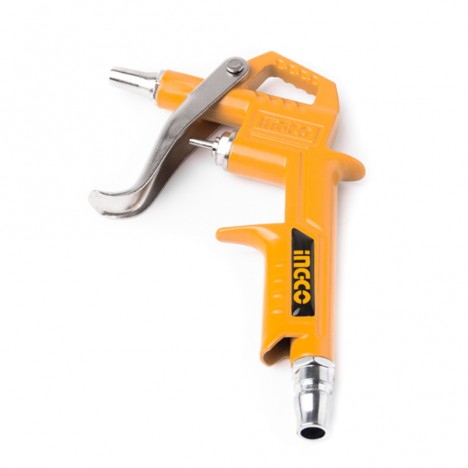


Air Duster Gun (Air Blow Gun) is an exclusive pneumatic device specifically used with air systems and is truly versatile. It plays a significant role in many areas, from basic cleaning tasks to heavy industrial applications. Properly adjusting the airflow is therefore a crucial step that helps you achieve the best results from your blow gun—whether avoiding potential damage to equipment or surfaces, or increasing work efficiency. This article provides comprehensive advice on adjusting blow gun airflow to suit every type of job.

Why is adjusting airflow important?
Proper airflow adjustment is extremely important for operation because it directly affects work efficiency as well as user safety. In addition, using the proper air pressure helps extend the equipment's lifespan. The main reasons every user should pay attention to airflow adjustment include:
- Reduce damage to equipment: Excessive airflow can damage delicate parts, such as when using a blow gun on electronics or fragile surfaces.
- Increase work efficiency: The proper airflow helps you clear dust or debris quickly and efficiently.
- Reduce energy waste: Using the right amount of air pressure reduces unnecessary energy consumption, saving costs and helping equipment last longer.
Air Pressure Adjustment for Each Type of Work
1. Cleaning electronic equipment
Electronic equipment such as computers, keyboards, and cameras have very small and delicate components. If the air pressure used is too high, it may cause these small parts to come loose or become damaged. Therefore:
- Set air pressure low: Use the lowest airflow level sufficient to remove dust particles to prevent damage.
- Use accessories: such as a narrow-tip nozzle that improves precision and reduces the risk of damage.
- Maintain distance: In addition to reducing air pressure, users should keep a distance of at least 10-15 cm between the nozzle and the equipment to prevent direct impact from the airflow.
2. Cleaning hand tools
Hand tools such as drills, saws, or pliers often have dust and debris stuck on them after use. Cleaning them may require higher air pressure to remove dirt effectively.
- Adjust to medium-high air pressure: This level of airflow can quickly remove debris such as wood chips or metal shavings.
- Large nozzle: Helps cover a larger area in a single pass.
- Prevent hazards from debris: Wear safety glasses and gloves to protect against flying debris.
3. Cleaning inside the home
For dusting or cleaning indoor areas such as floors, furniture, or curtains, appropriate air pressure is needed to avoid scattering dust around.
- Adjust to medium air pressure: The right airflow will help move dust out of the area without scattering it too much.
- Use a flat nozzle: Helps distribute airflow evenly over wide surfaces.
- Ensure good ventilation: Open windows or use fans to help reduce dust accumulation in the air.
4. Work in industrial plants
Cleaning in industrial plants often involves handling oil stains, heavy dust, or large debris, which requires high air pressure and a durable nozzle.
- Adjust to high air pressure: To remove stubborn or dense dirt.
- Use a metal nozzle: Metal nozzles withstand heavy-duty use and offer a long service life.
- Check the air pressure: Use a pressure gauge to ensure the airflow is at an appropriate level.

Steps to Adjust Air Blow Gun Pressure
- Connect to the air supply: Connect the air blow gun to an air source, such as an air compressor or compressed air tank.
- Set the air pressure: Use the pressure regulator installed on the air blow gun or at the air source to control the pressure level suitable for the job.
- Test blowing: Test the airflow in a safe area, such as on a non-damaging material surface, to adjust it appropriately for the task.
- Readjust the airflow as needed: If the airflow is still not appropriate, you can further increase or decrease the airflow as desired.

Precautions when Adjusting Airflow
- Avoid using unnecessarily high airflow: Especially on delicate materials such as glass, coated surfaces, or sensitive electronic equipment.
- Avoid pointing the airflow at others: When adjusting and testing airflow, point the air blow gun away from other people, as high pressure can cause direct injury or launch flying debris.
- Use in well-ventilated areas: To reduce the accumulation of airborne dust.
- Inspect the equipment before use: To prevent damage that may arise from mechanical issues.

Conclusion
Adjusting the air blow gun's pressure appropriately for each job not only helps you work efficiently but also reduces the risk of damage to equipment and harm to users. Understanding the nature of the task and choosing the right airflow—such as using low pressure for delicate equipment and high pressure for heavy-duty factory tasks—will help you utilize the air blow gun to its full potential. Do not forget to inspect your equipment and follow guidelines to ensure maximum safety and efficiency.
Select Air Duster Gun More