


 EN
 ไทย


Customers Also Purchased
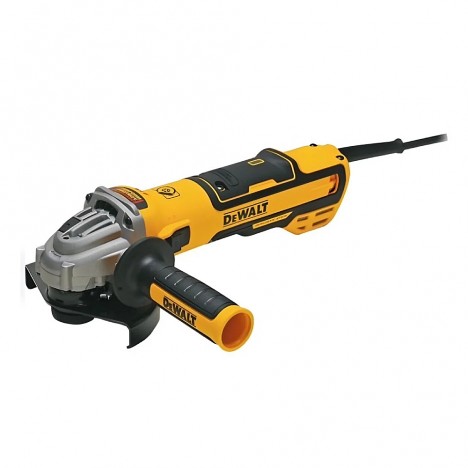
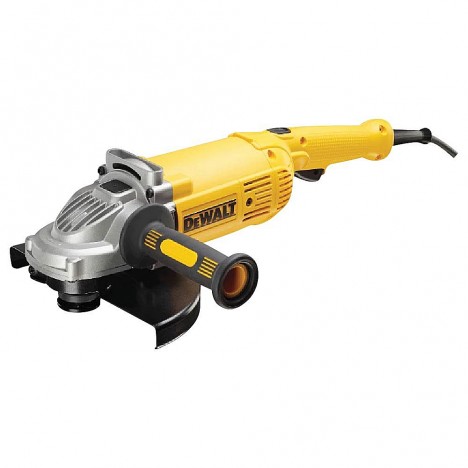

Differences Between Metalworking and Woodworking
- Metalworking: Using an angle grinder for metalworking usually involves cutting, grinding, sanding, or finishing highly durable surfaces. Therefore, it requires a high-performance grinder with substantial power, along with grinding discs that can effectively withstand high heat and friction. Additionally, working with metal requires precision and good control to achieve flawless results, reduce work errors, and help extend material life.
- Woodworking: Woodworking mostly utilizes an angle grinder for finishing, smoothing, or shaping patterns. Wood is a softer material than metal but requires much more delicate craftsmanship. Using a grinder for woodworking generally emphasizes fine detailing and a lightweight tool body for optimal control and to prevent heat burn marks that could damage the wood's surface and appearance.

A grinder suitable for woodworking can be used on metal for light-duty tasks, such as removing rust or light surface finishing, provided appropriate accessories like metal grinding discs are used. Conversely, a metal grinder can be used on wood, but the RPM should be adjusted and sanding pads designed for wood should be selected to prevent burn marks and damage to the workpiece.However, using a grinder specifically designed for each material yields better and safer results in practical use, which we will explore further in detail.
How to Choose Different Grinders for Metalworking vs. Woodworking?
1. Power Rating (Watts)
- Metalworking: High-power grinders (800–1,200 Watts) are suitable for grinding metals that are much denser than wood, such as cutting thick steel, grinding weld seams, and sanding rust. These tasks require high power to withstand resistance from thick, hard, and durable materials.
- Woodworking: A medium-power grinder (400–800 Watts) is sufficient for woodworking. Since wood is softer than metal, it does not require heavy grinding force. Crucial factors in woodworking are control and precision; furthermore, lower power is advantageous in preventing damage or scorching the wood grain.

2. Types of Grinding or Cutting Discs
- Metalworking: Choose grinding discs or wheels designed specifically for metal, such as cut-off wheels for cutting thick metal or grinding discs for weld seams that endure friction and high pressure well. Metal grinding discs are typically very robust to withstand the resistance of hard materials.
- Woodworking: Use sandpaper discs or fine wire wheel brushes to achieve a smooth surface suitable for finishing or painting. Furthermore, discs designed for woodworking often feature heat-dissipating properties to minimize the risk of scorching the wood during operation.
3. Speed Control System (RPM)
- Metalworking: Use a high-speed grinder (10,000 RPM or more) to boost cutting and grinding efficiency on metal. Working at high speeds helps reduce operation time and produces more precise results.
- Woodworking: Choose a grinder with variable speed control to match the task at hand, such as delicate wood finishing or preventing burn marks caused by excessive friction from running at too high an RPM.
4. Weight and Size
- Metalworking: Opt for a heavier, larger grinder for stability and steady handling during heavy-duty tasks, such as grinding or weld cleaning on large metal parts. This added stability helps reduce vibrations and enhances operational safety.
- Woodworking: Opt for a lightweight, compact grinder for precise and effortless control in delicate wood finishing compared to metalwork. Moreover, a lightweight grinder helps reduce fatigue during extended periods of use.
What Can Angle Grinders Be Used for in Metalworking and Woodworking?
Metalworking
- Steel Cutting: Use cut-off wheels to slice through workpieces such as steel pipes, metal sheets, or structural steel. Sharp and precise cuts ensure cleaner finishes, reducing the need for subsequent deburring or touch-up work.
- Weld seam grinding: Use an angle grinder to remove weld seams and smooth metal edges, creating a sleek surface ready for use.
- Rust removal: Use a wire wheel brush to strip rust or clean old metal surfaces that need restoration. Wire brushes effectively clean stubborn residues.
- Deburring: Use a grinding disc or flap wheel to remove sharp metal edges, preventing hazards during handling and improving the appearance of the workpiece.
Woodworking
- Wood sanding: Use sandpaper to prepare the wood surface for painting or varnishing. A smooth sanding job helps paint or coatings adhere firmly and evenly.
- Wood edge profiling: Use fine grinding discs to shape wood edges or corners neatly, adding refined details that elevate the quality of the work.
- Carving: Use carving discs or abrasive wheels designed for carving to create patterns or remove unwanted material, adding distinctive character to woodwork.
- Stripping paint or coatings: Use a grinding disc designed for paint removal or surface coating stripping to prepare the workpiece efficiently for refinishing.

Conclusion
For both metalworking and woodworking, choosing the right grinder for the specific task is an essential factor that cannot be overlooked. Tool power and disc types matching the material and job nature will help you work smoothly and efficiently. In addition, choosing the correct tool significantly enhances safety during operation.
Careful grinder operation and inspecting equipment before starting work are fundamental practices. These not only reduce the risk of hazards or potential damage, but also elevate the final results of your work. Continuously learning and developing tool-handling skills will allow you to use grinders with confidence and produce work of the highest quality.
Therefore, whether you are doing metalwork that demands heavy-duty strength or woodworking that focuses on precision and craftsmanship, choosing the right grinder combined with proper operation is the key to success for every project.
Select Grinder More