


 EN
 ไทย


Customers Also Purchased
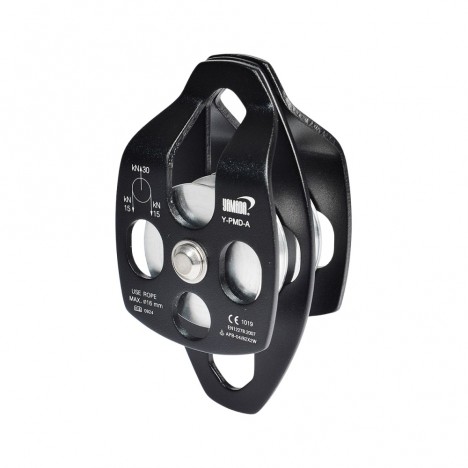
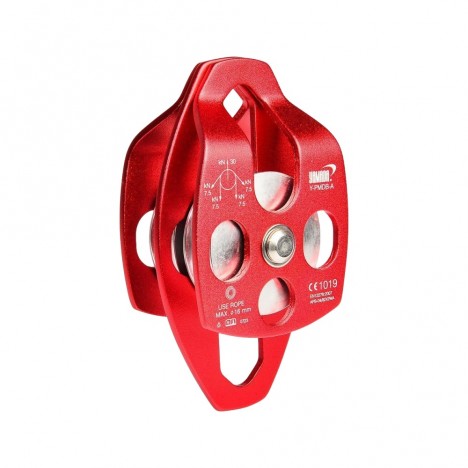
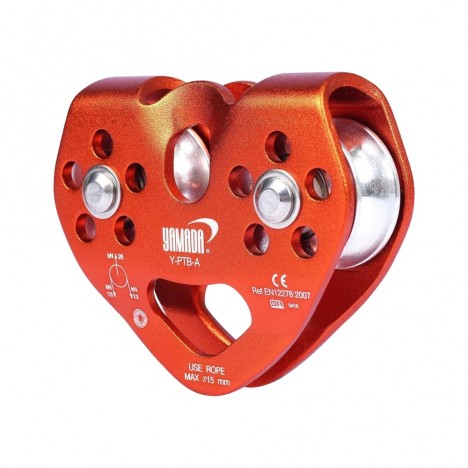
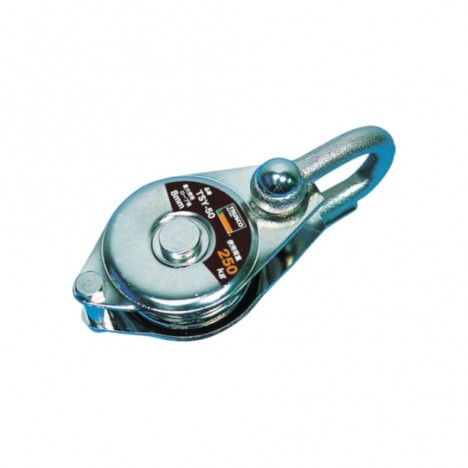


Monorail Hoist
Advantages
- Lower cost: Monorail hoists feature a simpler structure than overhead cranes, resulting in lower installation and maintenance costs. They are ideal for those looking to save budget without compromising operational efficiency. Additionally, they help reduce long-term expenses compared to more complex systems.
- Easy Installation: Monorail hoist systems utilize only an H-Beam or I-Beam track that can be easily repositioned without the need to redesign the entire structure. They are also quick to install, making them well-suited for projects that need to get up and running in a short time.
- Ideal for limited spaces: With their small, compact footprint, these systems are especially well-suited for small warehouses or factories with limited space. They can operate at full efficiency even in densely packed storage areas.
- Flexible applications: Monorail hoist systems can be customized to suit specific tasks, such as choosing a chain hoist for light-duty work or an electric hoist for operations requiring speed and convenience. Additional accessories can also be added to enhance functional capabilities.

Disadvantages
- Limited lifting capacity: Generally, it supports a maximum load of about 1-5 tons, which is suitable for tasks that do not require heavy lifting, such as moving small parts on a production line or handling materials in light industries.
- Single-axis movement: This system is suitable for tasks with a defined travel path, such as moving materials along a linear production line. However, this limitation may not suit applications requiring multidirectional movement or frequent path changes.
- Suitable for light to medium-duty work: Monorail hoists are designed for applications requiring simplicity, such as handling goods in warehouses, moving light equipment, or use in small workshops that do not frequently focus on lifting heavy materials, while still providing enough flexibility for daily routine tasks.
Overhead Crane
Advantages
- Higher load capacity: Overhead cranes are engineered with robust structures capable of supporting loads from a few hundred kilograms up to hundreds of tons. They are therefore ideal for complex lifting operations that demand stability, such as heavy metal manufacturing, lifting automotive parts, or even material handling in precision-demanding construction industries.
- Covers large areas: With the ability to move both horizontally and vertically, overhead cranes are ideal for large factories or warehouses requiring material handling across multiple points simultaneously, such as transferring goods between production lines or storage areas.
- Customizable for specific applications: This crane system comes with a variety of options, such as Single Girder and Double Girder cranes. Additionally, accessories can be added, including remote control systems, safety sensor systems, or even automated operation to increase efficiency and reduce errors.
- Built for Heavy-Duty Work: In industries requiring continuous operations, such as steel manufacturing, automotive assembly, or large structural construction, overhead cranes deliver safety, precision, and efficiency unmatched by other lifting systems, making them the number one choice for long-term heavy-duty applications.

Disadvantages
- High cost: Installing an overhead crane requires a relatively high investment, both in terms of the main structure and accessories such as electric motors, hoists, and control systems. It also includes expenses for engineering design and foundation construction that can support loads and movements safely and sustainably in the long run.
- Requires large installation space: Overhead cranes require adequate space for installing structural columns and suitable runways. Installation planning must account for the crane's dimensions and movement envelopes to ensure efficient operation, which can be a limitation in some facilities.
- More complex maintenance: Because overhead crane systems comprise complex components such as hoist motors, trollies/hoists, and control systems, regular maintenance and inspections are essential to prevent wear and malfunctions. Relying on expert technicians and preventive maintenance is crucial for ensuring safety and extending equipment lifespan.
Which type should you choose?

Choose a monorail hoist if
- You have a limited budget and want to control expenses as cost-effectively as possible
- You need equipment that is quick and easy to install, ready to use immediately without major structural modifications
- Lifting loads do not exceed 5 tons, such as material handling in warehouses or small production lines where space-saving is needed
- You focus on operational flexibility, especially in limited or narrow spaces where large systems cannot be installed

Choose an overhead crane if
- You need a system capable of lifting heavy loads over 5 tons, such as large materials, machinery components, or heavy construction materials
- You require material movement across wide areas and multiple directions, such as material handling in large factories
- Used in industries requiring high precision and safety systems, such as steel, automotive, or major structural construction industries
- You have a long-term investment plan in equipment with a long lifespan, capable of continuous heavy-duty work, and cost-effective for long-term use
Conclusion
Choosing between Plain Trolley and overhead cranes is not just about choosing a tool, but also a strategic decision that affects long-term operational efficiency. If you need a cost-effective system for straightforward tasks, a monorail hoist is a suitable choice at a lower cost. However, if you require heavy lifting capabilities or large workspace coverage, an overhead crane offers greater flexibility and capacity. Carefully considering the nature of the work, frequency of use, and budget will help you make a confident decision that meets your long-term needs.