


 EN
 ไทย


Customers Also Purchased


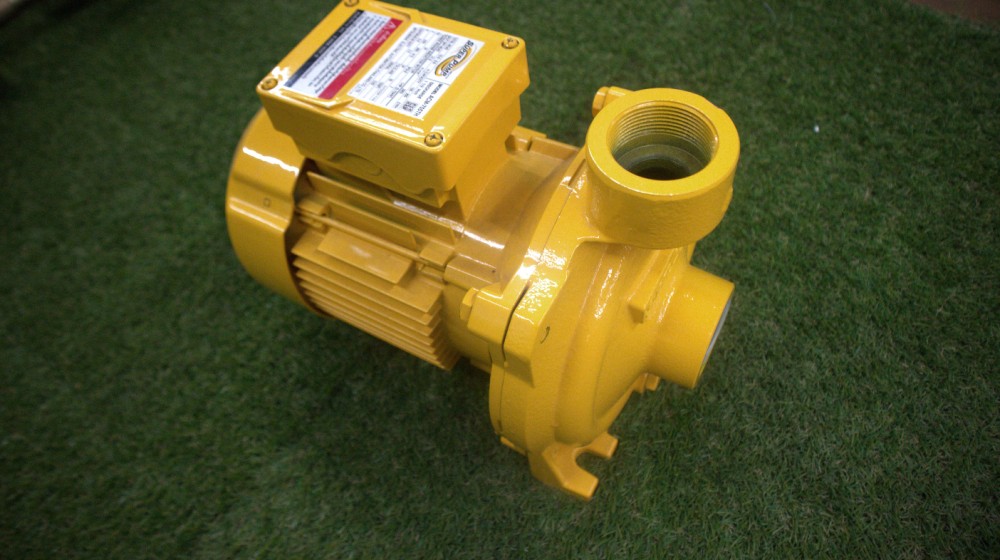
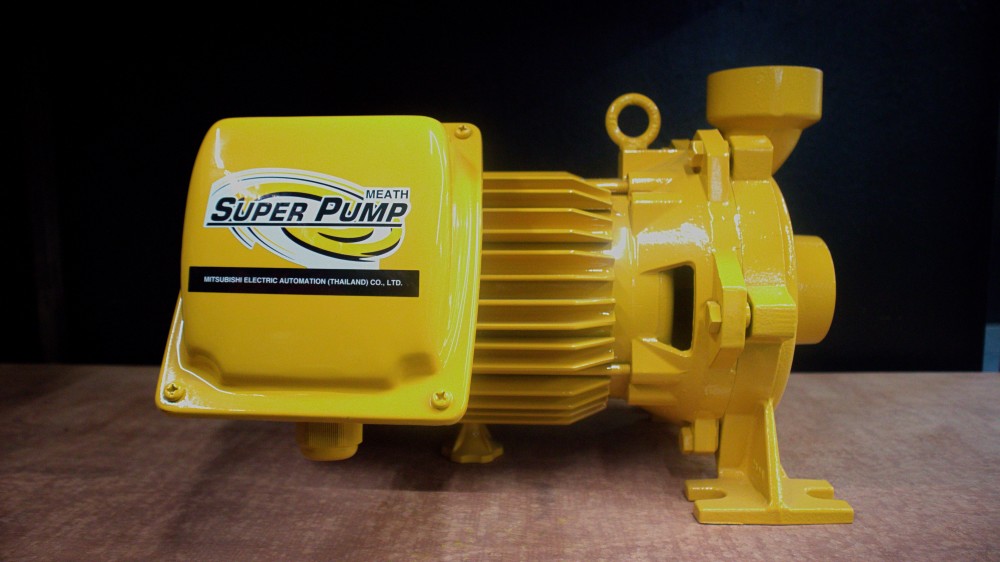
A water pump is an essential appliance in our daily lives, both in homes and various industries. The primary function of a water pump is simply to deliver water from one point to another with sufficient pressure. Over time, however, you may have encountered problems with your water pump making loud noises, right? This could be a warning sign that your water pump is starting to experience issues!
Loud noise from Water Pumps is a fairly common issue. Although it may seem minor, this noise can be a warning sign of underlying malfunctions within the water pump system. If left unaddressed, it could lead to damage and significantly higher repair costs. Therefore, in this article, I will delve into the causes of a noisy water pump, along with correct troubleshooting methods that you can do yourself. If you're ready, let's dive in!
Causes of a Noisy Water Pump
1. Abnormal Water Pressure
The very first thing you need to consider is if the incoming water pressure to the pump is inconsistent, or if there is air trapped in the system, it can cause noise from the motor and impeller operation. These problems often stem from supply pipe leaks or improper valve installations. Allowing air to enter the system causes water pressure fluctuations, resulting in uneven pump operation and intermittent noises. In addition, using water simultaneously at multiple points without calculating adequate pressure capacity can cause pressure drops, leading to improper pump function.
The recommended solution is to inspect the plumbing system for leaks and install a check valve to prevent air from entering the system, as well as calibrate the water pressure properly for residential or building usage.
2. Damaged Impeller
One component that many people tend to overlook in the long run is the water pump impeller. A worn or damaged impeller can be one of the reasons for loud operating noises due to friction or part collisions. When an impeller is cracked or chipped, its rotation becomes unbalanced, producing vibrations and loud sounds. Moreover, a damaged impeller can decrease water delivery efficiency or cause the motor to work harder than usual.
Don't forget to regularly inspect the impeller and replace it with a new one upon detecting any damage. Choose high-quality impellers suitable for your specific water pump model. Proper maintenance—such as cleaning the impeller to reduce dirt accumulation and foreign matter—will also help prevent wear and extend its service life.
3. Improper Installation
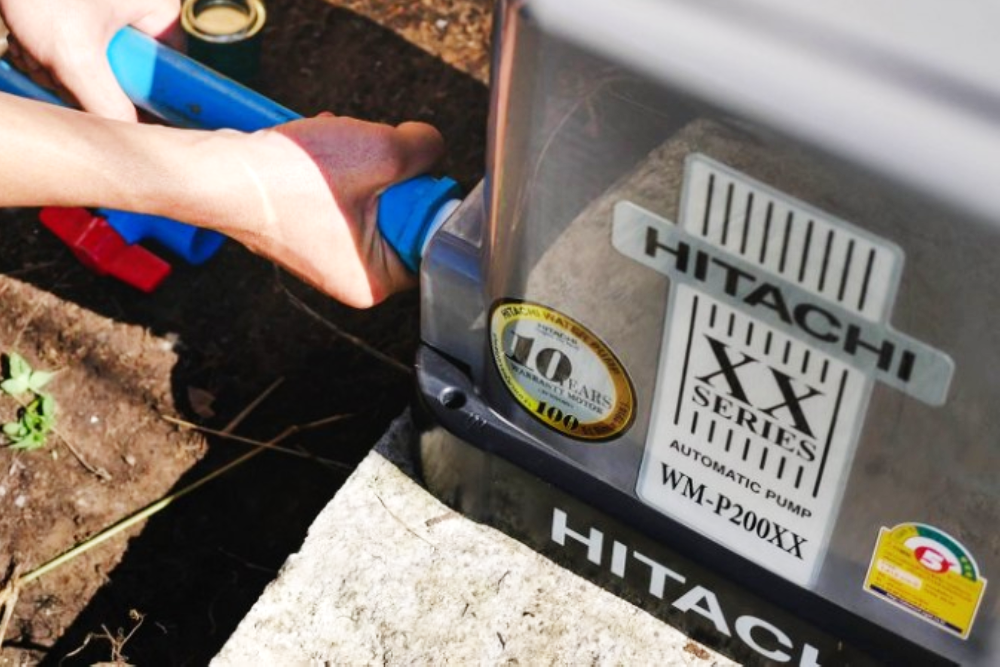
This commonly happens when inexperienced technicians install a water pump without securing it firmly to its base, or on an unstable surface. Naturally, this causes the pump to vibrate and make loud noises during operation. This issue typically arises from neglecting proper installation procedures, such as not using vibration-dampening materials or mounting on uneven surfaces. The resulting vibrations can accelerate the wear of internal pump components and generate bothersome noise that disturbs household living.
The recommended solution is to verify that the mounting base is solid and level, and to use supportive materials like rubber vibration isolators to help dampen vibrations. If installed in an area subject to movement or high impact, stronger mounting techniques should be employed to prevent the water pump from wobbling in the long term.
4. Motor Issues
A deteriorated or damaged motor—such as worn motor bearings—can cause the water pump to operate with abnormal noise. Additionally, if the motor does not receive proper maintenance, like cleaning or lubricating essential components, friction and heat buildup can occur, leading to premature wear. The drive belt connecting the motor and pump is another area to check; if the belt is too loose or too tight, it can generate noise and reduce power transmission efficiency.
The solution for a noisy motor is to inspect and replace the bearings when signs of wear appear. Furthermore, cleaning the motor cooling system to prevent dust and grime accumulation is crucial. Always use the appropriate lubricant and ensure motor settings comply with the manufacturer's manual to keep the motor running efficiently and minimize noise issues over time.
5. Foreign Objects in the System
The presence of debris or foreign objects, such as sand or small gravel trapped inside the water pump system, can cause friction noise and damage. These debris particles may be drawn into the system when pumping water from improperly filtered water sources, or when the water pump operates in an environment where dust and dirt accumulate. Foreign matter accumulating in the pipes or impeller can obstruct water flow, create abnormal water pressure, and force the motor to work harder than it should.
To prevent this issue, install a filter or strainer at the suction pipe inlet—which are readily available for purchase—and regularly inspect the system to clean out any debris that may be trapped in the water pump. If debris has caused damage to the impeller, replace it promptly and inspect the system's condition to prevent the problem from recurring in the future.
- Other Articles Related to Water Pumps
6. Overloading
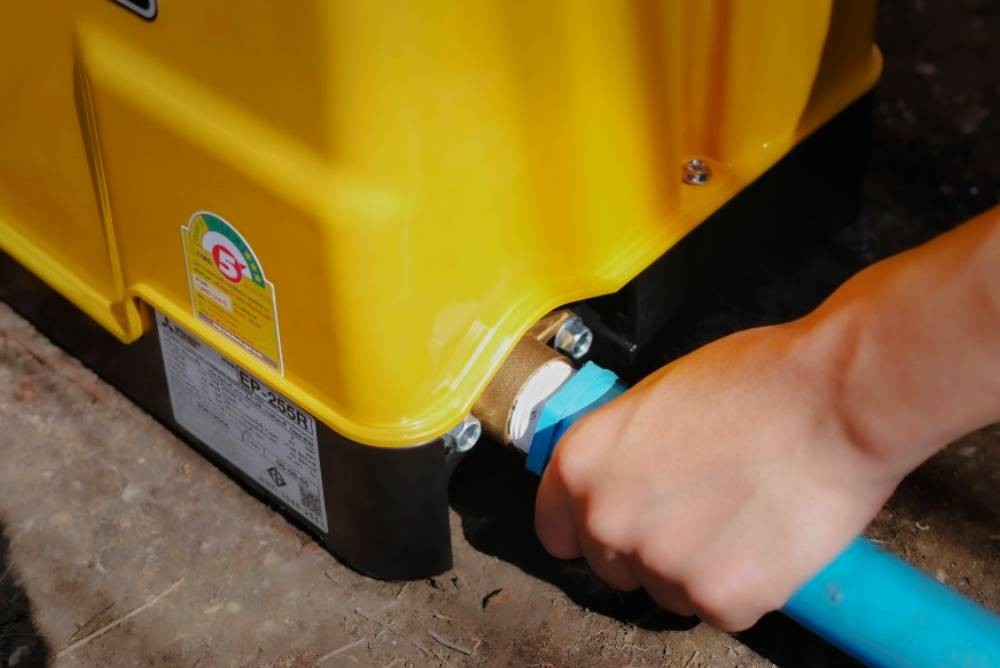
"Don't force it if it can't take it" definitely applies to this situation. A water pump running harder than it was designed for—such as pumping over long distances or handling water volumes beyond its capacity—can produce loud noises due to motor stress. This overloading can also cause the motor to overheat, preventing the cooling system from functioning at full efficiency and causing the motor to deteriorate sooner than expected. Therefore, choosing a water pump not designed for specific conditions—such as pumping water with sediment or operating in areas with high water pressure—can accelerate the wear and tear of internal components.
Prevention involves selecting a water pump suitable for your application—such as choosing one with the appropriate pressure rating and flow rate—and installing protective systems, like pressure control sensors, to prevent overloading in the future.
7. Damaged Seals or Valves
Leaking or damaged seals and valves can cause hissing or air-leak noises in the water pump system, which is commonly found in systems that have been used for a long time or have not been maintained. This issue can result from seal or valve materials degrading over long-term use, or choosing materials unsuitable for the type of water, such as water with chemical additives or high temperatures. A leaking seal not only causes noise, but it can also drop system pressure, causing the water pump to work harder.
Prevention involves routinely inspecting seals and valves. If leaks or damage are found, replace the seals or valves immediately using durable materials suitable for the application, along with proper lubrication and maintenance. Additionally, install leak prevention devices, such as check valves, to help reduce potential risks over the long term.
8. Limescale or Dirt Buildup
Limescale accumulation in the water pump system can lead to clogs and noise from internal components malfunctioning. Scale forms from minerals dissolved in water, such as calcium and magnesium, which build up in the pipes and pump components, obstructing water flow and reducing system efficiency. Furthermore, it can cause the impeller and motor to work harder, accelerating wear and making the water pump noisy.
To fix this problem, use a descaling solution to clean the system and install a filter or water softener to reduce mineral accumulation in the long run. Regular maintenance and flushing will help prevent scale buildup and extend the service life of your water pump. In addition, inspect the materials of pipes and parts in contact with water to select equipment that resists mineral buildup effectively.
Conclusion
An abnormally noisy water pump can be a warning sign of an issue that requires prompt attention to prevent further damage and reduce disturbance during use. Regular inspection and maintenance are essential to ensure the water pump operates efficiently over the long term. If you encounter a problem you cannot fix yourself, consult a specialist for proper assistance. Additionally, choosing accessories such as check valves or water filters can help reduce noise issues and extend the water pump's lifespan.