


 EN
 ไทย


Customers Also Purchased
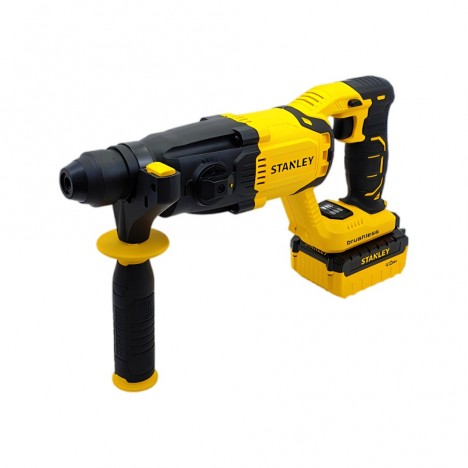
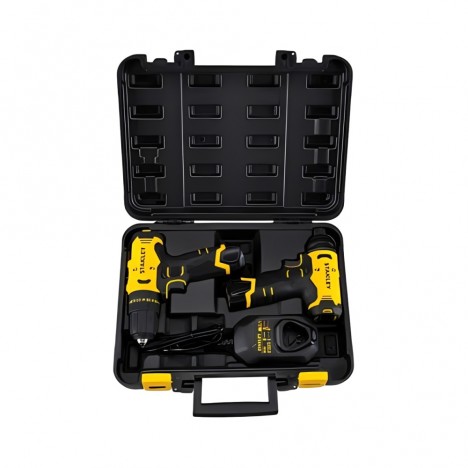
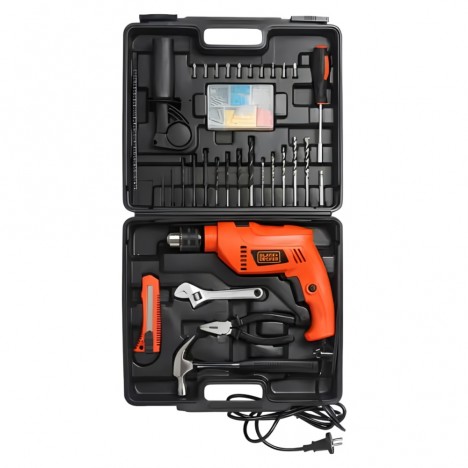


However, using an electric drill incorrectly or unsafely can lead to unexpected hazards and damage. In this article, we present various principles for using electric drills safely and without danger. We hope this article serves as a basic guide to safe electric drill operation, focusing on proper use, choosing the right tool, and maintenance to help you get the most out of this powerful tool.

Choose the Right Electric Drill for the Job
Choosing the right electric drill for your application is the most crucial first step, as various drill types are designed for specific tasks. For instance, if you need to drill into masonry or concrete, choosing a hammer drill is the most suitable option. However, if you need a tool for driving screws and nuts, an impact driver may not be suitable for drilling tasks.
Additionally, considering power output, voltage, and extra features such as pilot hole drilling or variable speed control are vital factors. Before choosing a drill each time, users should identify the intended task—such as wood drilling, masonry drilling, or screw driving. Once determined, select the most appropriate drill for that specific job.

Inspect the Electric Drill Before Use
Before using an electric drill each time, inspect the tool to ensure it is in good condition and ready for operation. This inspection includes checking the power cord and chuck for damage, as well as verifying that the drill bit is sufficiently sharp, since dull bits make drilling harder and increase the risk of kickback. Additionally, remember to check settings such as drill mode or hammer mode to match the workpiece material.
Wear Protective Equipment While Using an Electric Drill
Safety is paramount when operating an electric drill, so wearing personal protective equipment (PPE) is an effective way to minimize accident risks. Safety glasses protect your eyes from flying debris, anti-slip gloves help maintain a firm grip, and dust masks prevent inhaling dust created during drilling. In addition, wearing safety shoes is essential for protecting against injuries from falling objects.
Recommended Equipment:
- Safety Glasses
- Anti-Slip Gloves
- Dust Mask
- Safety Shoes

Gripping and Control Techniques for Electric Drills
Holding the electric drill correctly helps you maintain better control and reduces the risk of accidents. Hold the tool firmly by the handles using both hands—one hand on the main handle and the other on the auxiliary handle for added stability. Begin drilling with light pressure and gradually increase force. In addition, maintain a stable stance to prevent losing balance from kickback during operation.
How to Properly Use an Electric Drill
Properly operating an electric drill improves work efficiency while reducing the risk of injury. First, start by drilling a pilot hole—a small initial hole that keeps the bit from slipping and ensures precision at the desired spot. Then, gradually increase the tool's rotation speed and avoid applying excessive downward force, which can snap the drill bit or cause kickback.
Precautions and Behaviors to Avoid
For safety, avoid using an electric drill in wet or slippery environments. Do not operate the tool if the power cord or chuck is damaged, and avoid drilling near electrical wiring or plumbing lines. If drilling in these areas is necessary, always use a pipe or stud detector first.
Care and Maintenance of Electric Drills
After using an electric drill, clean the drill bits and body to remove trapped debris, and store the tool in a dry, safe location. Additionally, regularly apply lubricant to the drill chuck to prolong tool life. If you encounter issues such as unusual noises or kickback, stop using the drill immediately and have it serviced at an authorized service center.
Conclusion
An electric drill is a versatile and useful tool that simplifies drilling and fastening across various trades, from small home repairs to heavy industrial tasks. However, improper use can lead to hazards. Choosing the right electric drill, inspecting it before use, and wearing protective gear are crucial for safe and efficient operation. Furthermore, routine maintenance after use extends the drill's service life and maintains consistent work quality.
Select Electric drills More