


 EN
 ไทย


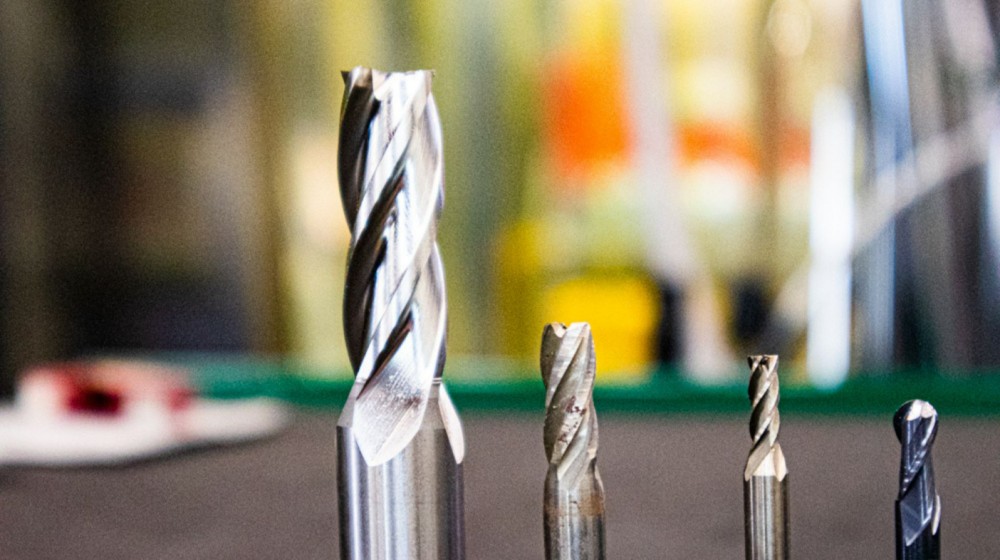
Types of End Mills
There are several types of end mills, each designed to support different tasks and specialized applications. For example:
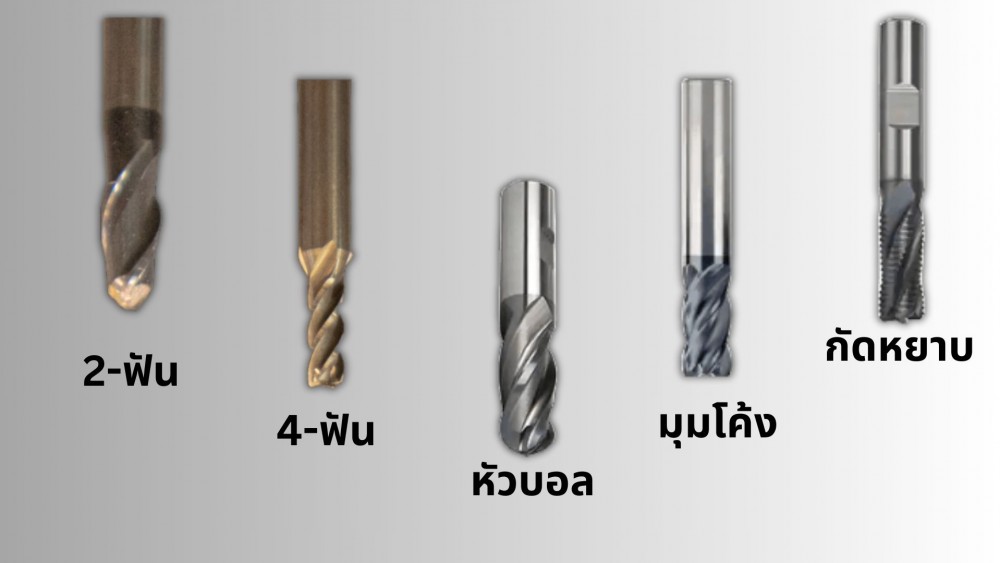
1. 2-Flute End Mill
This type of end mill features 2 flutes paired with large chip pockets that provide excellent chip evacuation. It is suitable for deep slotting and softer materials such as aluminum, plastic, or wood. The key highlight of this tool is its ability to clear chips quickly during milling, reducing chip-clogging issues and allowing for higher milling speeds, effectively saving machining time.
2. 4-Flute End Mill
Designed with 4 cutting flutes, this end mill offers more contact area with the material, making it ideal for face milling and achieving fine finishes. It is suitable for harder materials such as steel or stainless steel. Although chip evacuation is slower compared to a 2-flute type, it delivers a smooth surface finish, high durability, and good cutting force distribution, reducing tool wear during operation.
3. Ball Nose End Mill
A ball nose end mill features a rounded cutting tip, making it ideal for 3D contouring applications such as mold making, curved surface machining, or finishing. Its key advantage is minimizing gouges or sharp corner marks, providing high surface precision, and performing exceptionally well on complex 3D contours.
4. Corner Radius End Mill
This end mill is distinguished by small radiused corners at the tip, which help reduce chipping and breakage during milling. It is ideal for milling corners requiring extra strength, such as durable mold applications. The advantage of this tool is that it reduces stress concentration at corner areas of the workpiece, resulting in a cleaner finish and extended tool life.
5. Roughing End Mill
This end mill is specifically designed for roughing operations, featuring serrated cutting edges that reduce cutting resistance during milling. It is ideal for applications requiring high material removal rates. Its key benefit is saving significant time during roughing stages while reducing cutting vibration and impact, making it perfect for preparing workpieces before finishing passes.
Choosing the Right End Mill
Selecting the right end mill for the job is crucial as it directly impacts workpiece quality and production costs. You can make the right choice based on the following factors:
1. Select based on workpiece material
- Aluminum: Use a 2-flute or high-helix end mill to maximize chip evacuation efficiency.
- Steel: Choose a 4-flute coated end mill, such as TiN, to increase durability and reduce wear.
- Plastic: Use an end mill with fewer flutes to reduce heat buildup and prevent the plastic from melting.
2. Select based on machining application
- Deep slotting: A 2-flute end mill should be used for good and fast chip evacuation.
- Face milling: Best suited for a 4-flute end mill to achieve a fine surface finish.
- 3D machining: A ball nose end mill should be used for precision and high detail in curved 3D surfaces.
3. Choosing by Coating
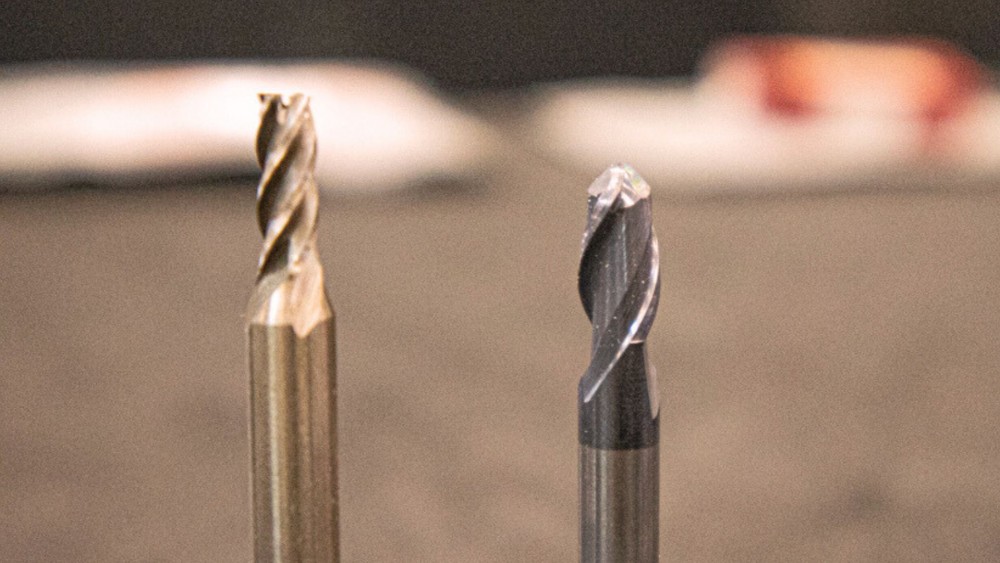
End mills come in both coated and uncoated varieties. Uncoated end mills are suitable for milling softer materials such as aluminum, copper, plastic, and wood due to their lower price and sharpness that is adequate for non-hard materials. However, these end mills have a shorter lifespan than coated types and are not suitable for high-durability applications or hard materials such as stainless steel or tool steel.
Coating materials include:
- TiN (Titanium Nitride): Suitable for general-purpose applications, helps increase tool hardness and reduce friction.
- DLC (Diamond-Like Carbon): Suitable for applications requiring high precision and fine finishing, such as milling aluminum or copper materials.
4. Choosing the Right Size and Length
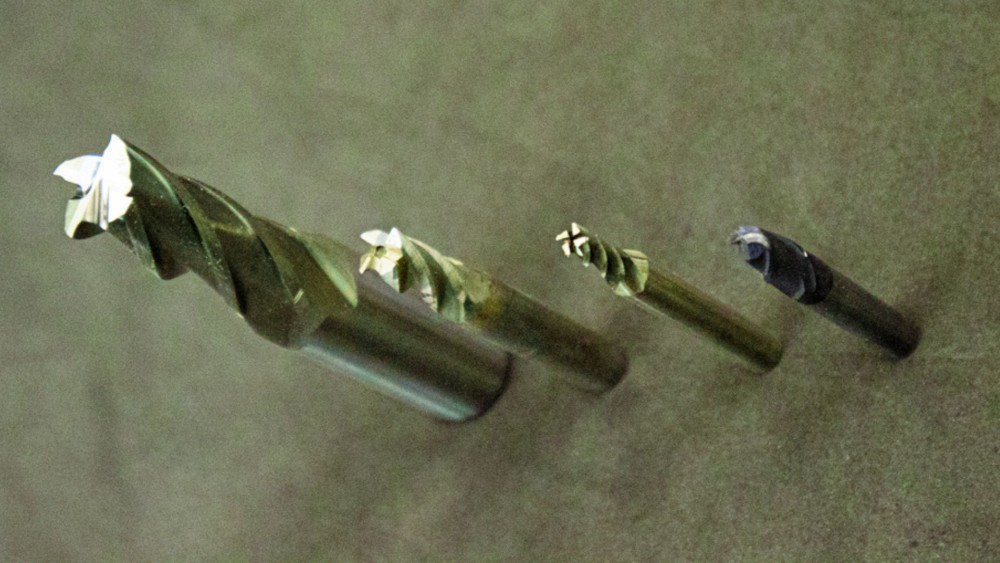
Selecting the proper size and length of an end mill is crucial for both workpiece quality and tool life. The size of the end mill should correspond to the size of the workpiece and the specific cutting requirements; for instance, smaller diameters are ideal for high-detail work, while larger diameters are best suited for heavy material removal. For length, choose a length that fits the required depth of cutting, milling, or slotting, avoiding tools that are unnecessarily long, as excessive reach can induce vibration and reduce machining precision. In addition, selecting the proper length helps lower cutting resistance and enhances tool rigidity, which effectively extends tool life and reduces the risk of chipping or tool breakage during operation.
Conclusion
Choosing the right end mill for your application is a key factor in boosting efficiency, lowering costs, and extending tool life. Understanding the properties of each end mill type, along with setting proper operating parameters, will ensure the best possible results in your milling operations. It also helps prevent issues that may arise during production, such as premature wear or workpiece damage. Researching and testing are essential steps to help you select and use end mills to their maximum potential.
Select End Mills More