


 EN
 ไทย


Customers Also Purchased
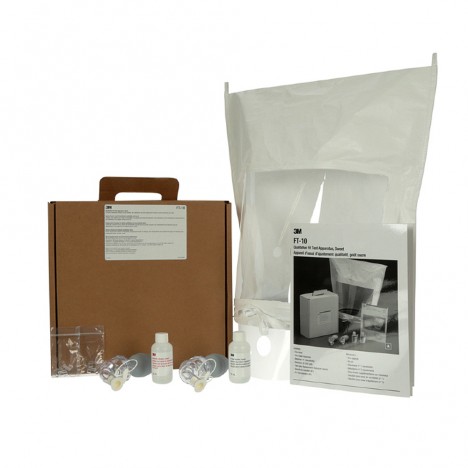

Protection efficiency depends on choosing the right filter or cartridge for the environment you encounter each day. If you choose the wrong type of filter, the protective efficiency of the chemical respirator mask will decrease, exposing you to risks instead of safety. Well then! In this article, I will dive deep into the "not-so-secret" tips for choosing the right filter or cartridge for chemical respirators to ensure you are using them with maximum safety. If you're ready, let's jump into the article. Let's go!
1. How Many Types of Filters or Cartridges Are There for Chemical Respirator Masks?
Filters or cartridges of Safety Masks are considered the heart of protection against pollutants, chemicals, and airborne particles, engineered to suit diverse types of work and environments. You might already have questions in mind, right? How many types are there? And how do you choose? Well, I'll divide them into 3 main categories for your understanding. Let's start with the first type.

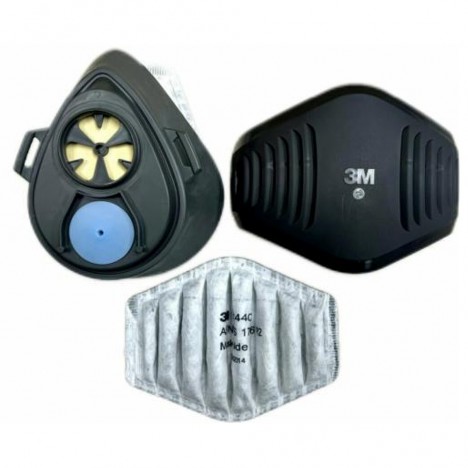
1.1 Gas and Vapor Filters
This type of filter is designed to protect against chemicals in the form of gases and vapors, whether they are solvent vapors, volatile organic compounds (VOCs), or toxic gases that could be hazardous to health. Compatible chemical types for gas and vapor filters are typically categorized by the chemical substance as shown below:
- Organic Vapors: such as benzene, toluene
- Acid Gases: such as chlorine, hydrogen chloride
- Ammonia and derivatives: used in chemical and agricultural industries
Choosing these filters is very simple and straightforward. Just observe the color codes on the cartridge: Black for organic vapors, Yellow for acid gases, Green for ammonia.
Suitable for spray painting, metal welding, degreasing with solvents, or working in chemical plants. This type of filter cannot protect against particulate dust. If you are exposed to both vapors and dust, you should choose a combination filter instead.
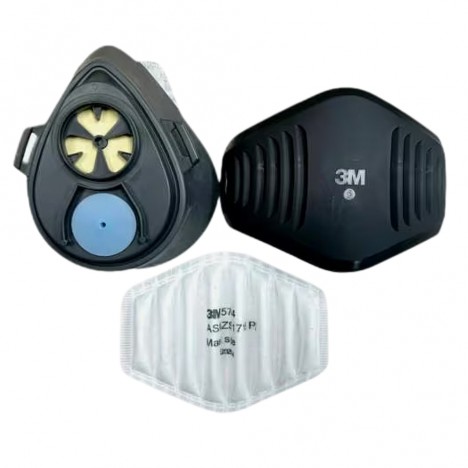
1.2 Particulate Filters
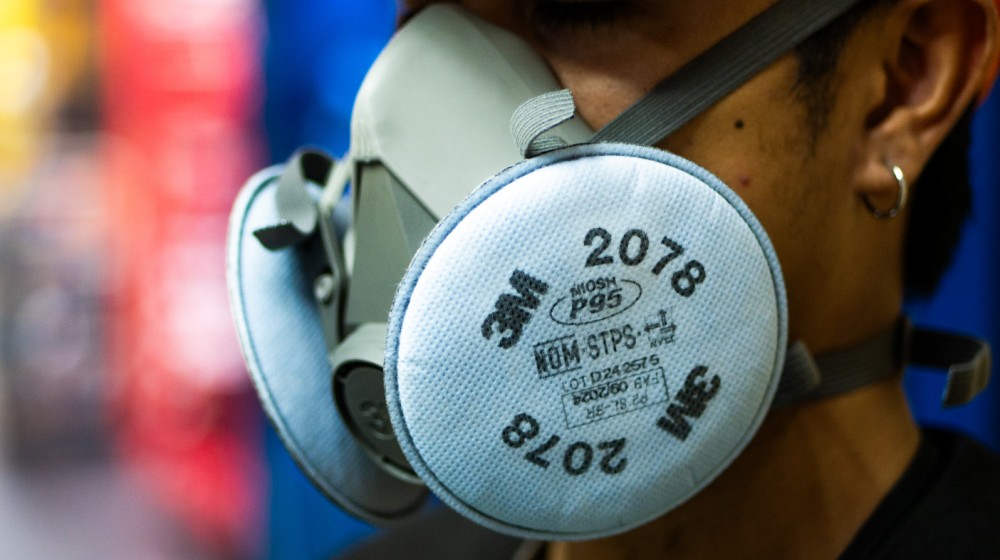
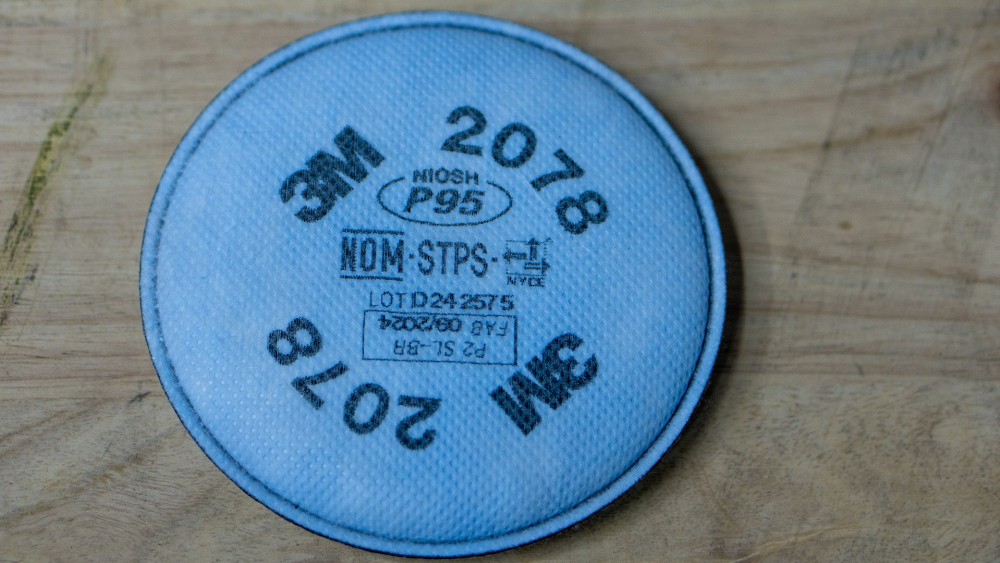
I think this type of filter is the most suitable for our country. You will often see it used in chemical respirators because it is designed to filter airborne particles such as dust, fumes, or fine particles generated from cutting, grinding, or sandblasting. Filtration standards: Particulate filters usually specify filtration efficiency
- N95: Filters at least 95% of airborne particles, but is not resistant to oil.
- R95: Filters 95% of airborne particles and is somewhat resistant to oil.
- P100: Filters up to 99.97% of airborne particles and has maximum oil resistance.
Usually suitable for construction work, steel grinding, sandblasting, or working in heavily dusty areas, such as the PM2.5 dust we are all familiar with. Particulate filters can be used both in daily life, such as protecting against PM2.5 dust, and in industrial applications requiring protection against toxic dust. This type of filter cannot filter gases or vapors. If you are exposed to chemicals in gaseous form, you should choose a filter specifically designed for gases.
1.3 Combination Filter
Combination filters are the most comprehensive option because they combine the features of a gas and vapor filter with a particulate filter, making them ideal for tasks where you are exposed to both risk factors at the same time.
Special features: Effectively filters chemical vapors and toxic gases, while also efficiently trapping fine dust particles and smoke. Suitable for tasks exposed to both paint overspray, fine dust, and vapors, such as spray painting, industrial factory work, construction work, etc.
Combination filters are typically certified to both NIOSH and EN standards, such as P100 combined with organic vapor filtration. Combination filters are larger and heavier than standard filters, so they may not be as suitable for work that requires high mobility.
2. Tips for Choosing the Right Filter for a Chemical Respirator
2.1 Identify the nature of the work and the risks you face
First of all, the most important thing is to consider your work beforehand: what types of chemicals will you encounter? Or is there a large amount of dust? If you can't picture it, let me give you a rough example to help you understand.
If you need to work with volatile chemicals such as ammonia, chlorine, or solvents, you should choose a gas and vapor filter. If you face fine dust such as construction dust or PM2.5 dust, you should choose a particulate filter. If you encounter both dust and toxic gases, such as in spray painting, choose a combination filter that supports both types of protection.
2.2 Check the filter color coding
Another simple selection method: gas and vapor filters often have color codes, as I mentioned earlier, to indicate which chemicals they can protect against.
- Black: For solvent vapors such as benzene, toluene
- Yellow: For acid gases such as sulfur dioxide or chlorine
- Green: For ammonia and its derivatives
- White: For non-gas particles such as dust
Choosing a filter based on color codes will simply help ensure that the filter is suitable for the chemicals you encounter in your work.
2.3 Consider Safety Standards
Choose certified standard filters
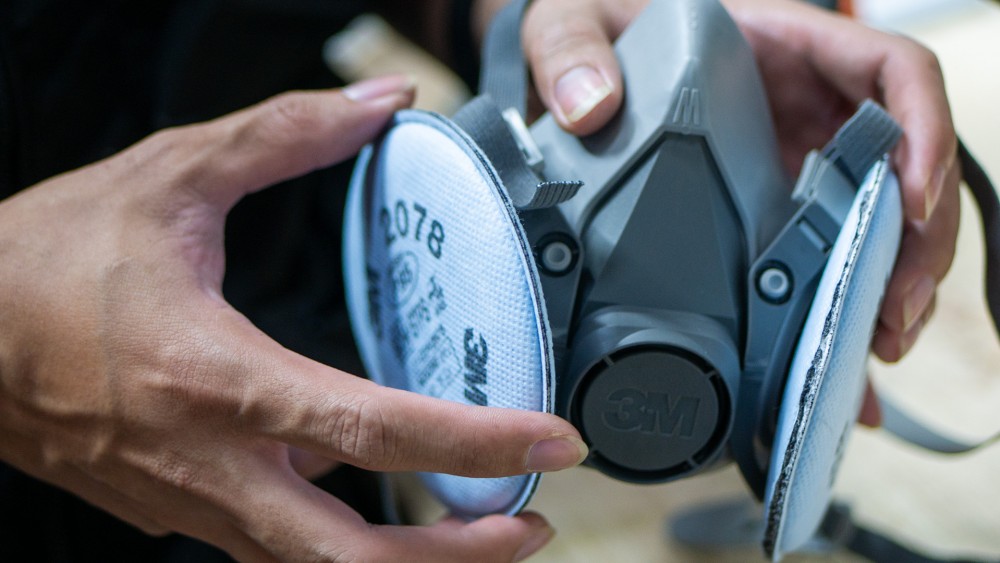
- NIOSH (National Institute for Occupational Safety and Health), such as codes N95, P100, which indicate the level of protection against dust and particulates.
- EN (European Norms), such as EN 143 for particulate filters or EN 141 for gas filters.
These ensure that certified filters have undergone performance testing according to reliable standards.
2.4 Check the Filter Lifespan
Filters have a limited lifespan and should be replaced when the specified period is reached or when efficiency drops. For example, particulate filters should be replaced when breathing becomes difficult, and gas filters should be replaced when chemical odors begin to seep through.
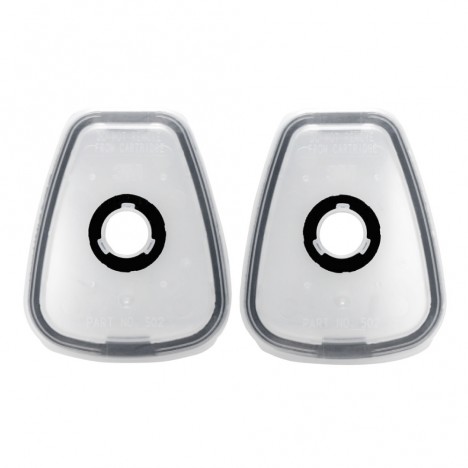
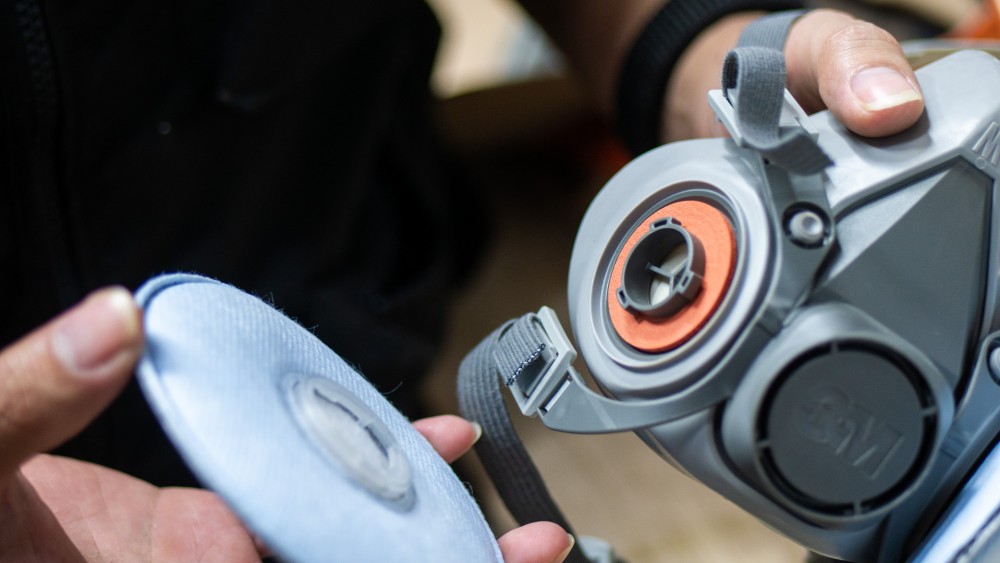
2.5 Choose Filters Compatible with Your Mask
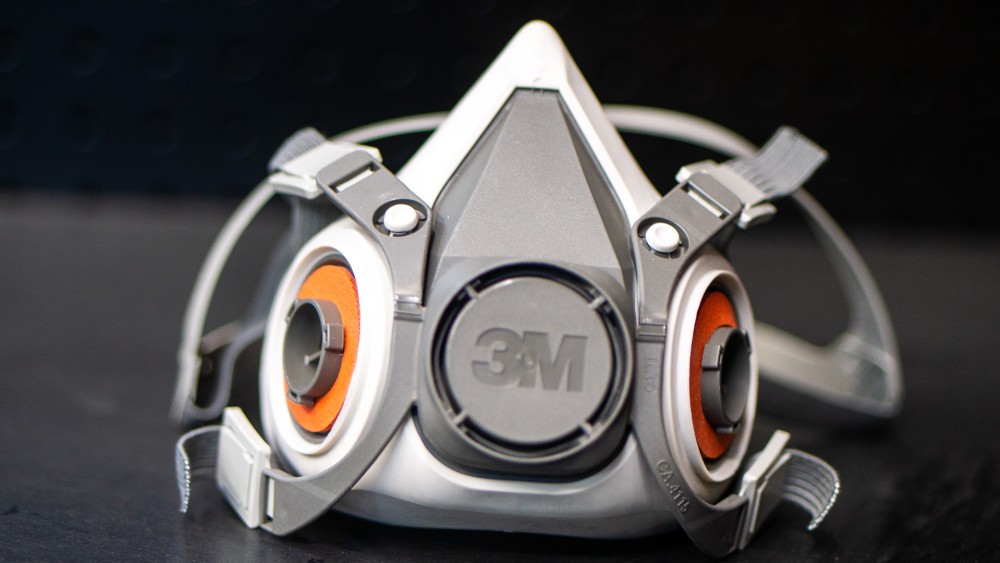
Check whether the filter you choose is compatible with your existing chemical respirator, as each mask model may use specific filters, such as threaded or bayonet lock cartridges. Always check the manufacturer's recommendations to avoid usability issues.

3. Common Mistakes in Choosing Filters for Chemical Respirators and How to Prevent Them
I'm sure mistakes definitely happen. Choosing filters for chemical respirators seems simple, but in reality, many people still make unintentional mistakes that can affect safety and performance. But once you know these mistakes, they can be avoided. If no one else will help, I'll help you myself! Don't wait—let's get started.
3.1 Choosing the Wrong Type of Filter
I think one of the most common mistakes is choosing a filter that is not suitable for the type of work or the chemicals encountered. For example, choosing a particulate filter for tasks involving chemical vapors, which this type of filter cannot protect against.
3.2 Using Expired Filters
All filters have a limited lifespan. Using expired or degraded filters will render the filtration of chemicals or dust ineffective.
3.3 Choosing Filters Incompatible with the Mask
Each mask model may have a specific filter mounting system, such as threaded filters or clip-lock filters. Choosing a filter that is not compatible with the mask may prevent it from functioning properly.
3.4 Not Replacing Filters at the Specified Intervals
Sometimes users may neglect to replace filters according to the schedule because they think they are still usable. However, filters used past their lifespan become clogged or deteriorate, leading to compromised filtration efficiency.
5.5 Improper Filter Storage
Unused or improperly installed filters can deteriorate from moisture, dust, or sunlight, reducing their lifespan and filtration efficiency.
Conclusion
If you read from start to finish, you'll see that choosing the right filter for a chemical respirator isn't difficult at all, right? Once you understand the nature of your work, the chemicals you encounter daily, and the relevant safety standards, choosing the correct filter will not only protect your health but also boost your confidence on the job. Whether dealing with dust, vapors, or toxic gases, paying attention to these details will help keep you safe and working efficiently.