


 EN
 ไทย


Customers Also Purchased
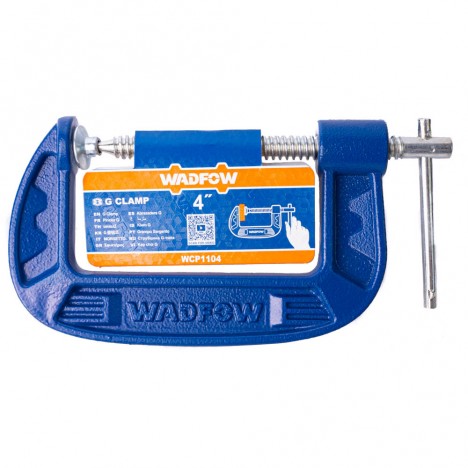
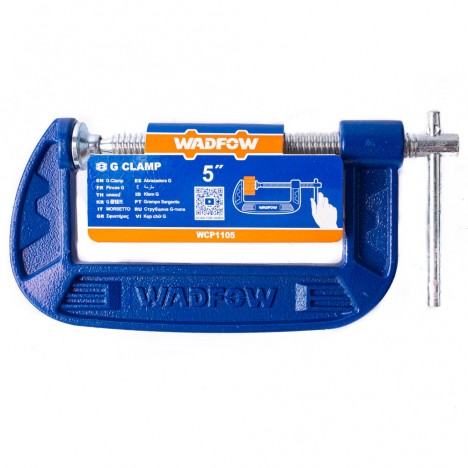
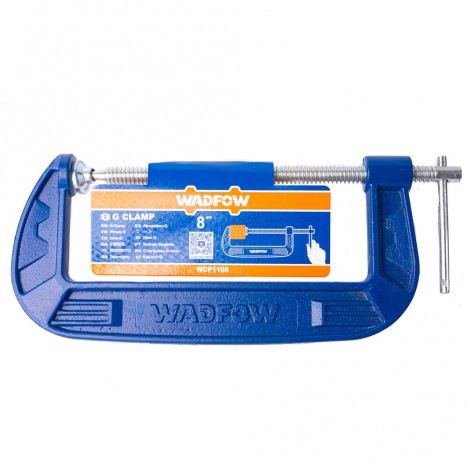
A C-Clamp is an indispensable tool used to hold workpieces together, whether for woodworking, metalworking, or even general repairs. But did you know that to use a C-Clamp correctly and effectively, you need to understand multiple aspects—from selecting the right size and preparing equipment to using proper clamping techniques? Therefore, in this article, I will find the answers for you, along with useful usage tips. If you're ready, let's dive into the article!
What is a C-Clamp?
Definition of a C-Clamp
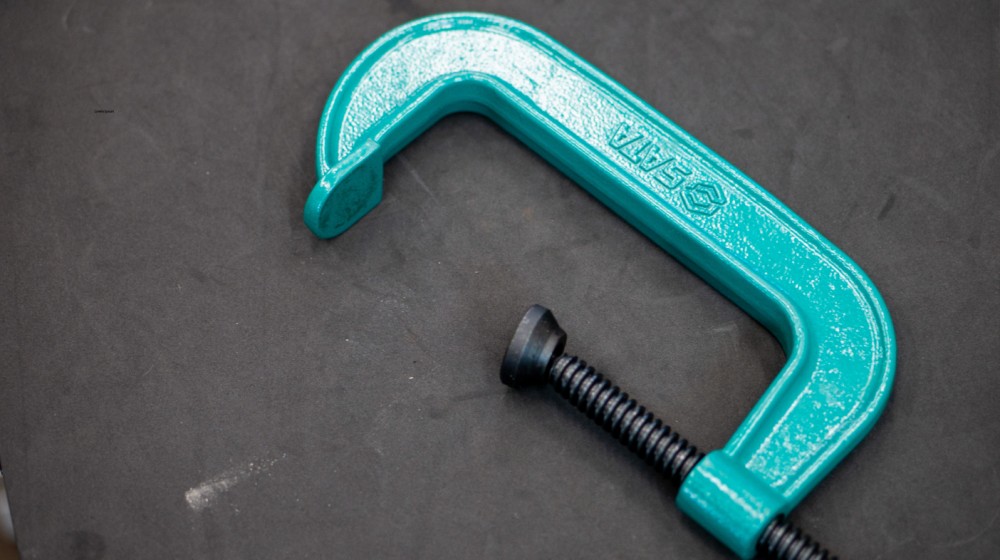
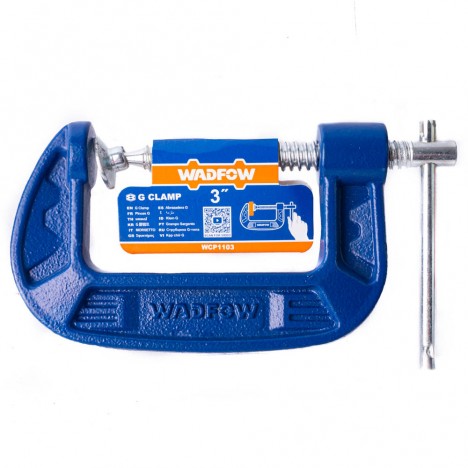
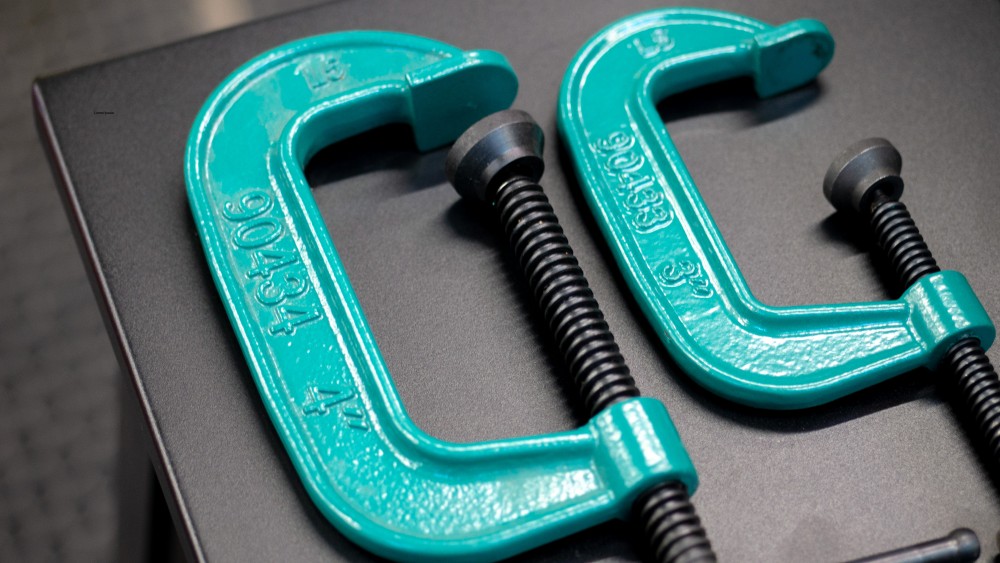
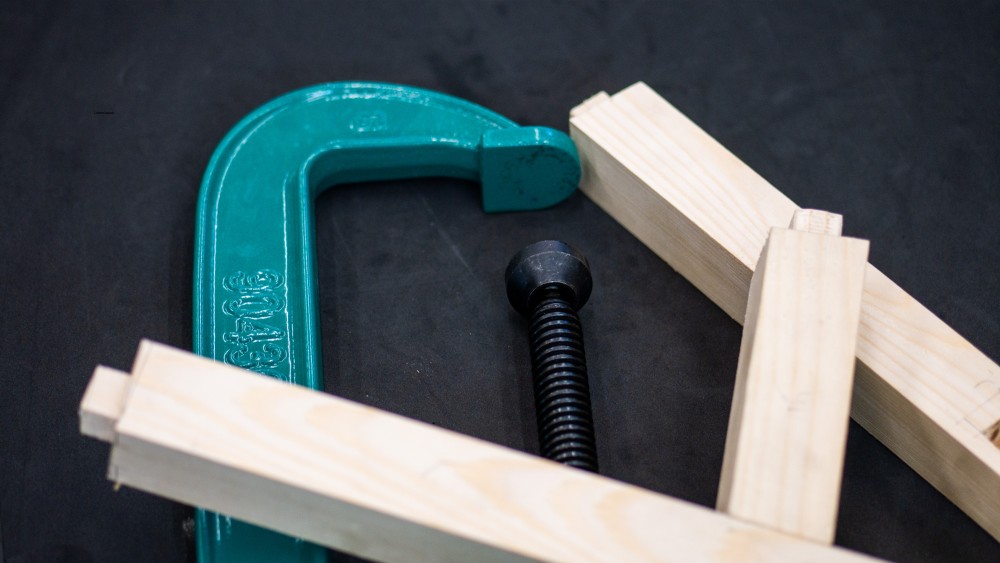
C Clamp The definition of a C-Clamp is quite straightforward: it is simply a tool used to hold two pieces of material together. That's really it. It is commonly used for cutting, drilling, or welding operations. It gets its name from its shape, which resembles the letter "C". It is designed to be easy to use, lightweight, and capable of adjusting clamping pressure.
General Characteristics and Design
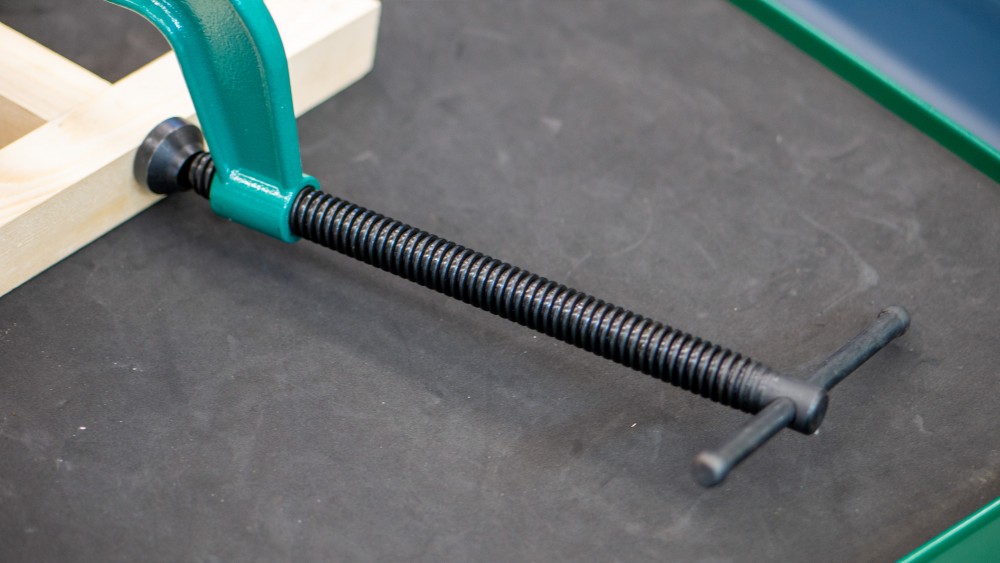
A C-Clamp typically features a frame made of cast iron or alloy metal, providing strength and durability. It has a threaded screw to adjust clamping pressure and a pad to help reduce damage to the clamped material. Some models may also come with a protective coating to prevent rust.
How to Use a C-Clamp Appropriately for the Job
1. Prepare the Equipment and Desired Workpieces
1.1 Choose the Right C-Clamp
- Choose a C-Clamp that fits the size of your workpiece. For example, if the workpiece is very wide, choose a C-Clamp with a large throat opening to accommodate the job properly.
- Choose a C-Clamp made of a material suitable for the task, such as malleable iron for heavy-duty work or aluminum for light-duty work for easy portability.
- If you need to clamp workpieces further from the edge, choose a deep-throat C-Clamp; if you need high clamping force, choose a model with an additional locking mechanism.
1.2 Inspect the Workpieces
- Ensure that the workpieces are clean and free of dust or oil stains, which could cause slipping and prevent secure clamping.
- Place the workpiece in the desired clamping position and check whether the surface is flat or suitable for clamping.
2. Position the C-Clamp
2.1 Open the Jaws
- Start by turning the C-Clamp screw counterclockwise to widen the jaw opening enough to comfortably accommodate the workpiece.
- Turn the screw carefully to prevent it from coming completely out of the C-clamp frame, as this can cause equipment damage and work delays.
- If the C-Clamp has a quick-release or auto-locking mechanism, adjust the opening width in advance to save time during use.
2.2 Position the C-Clamp
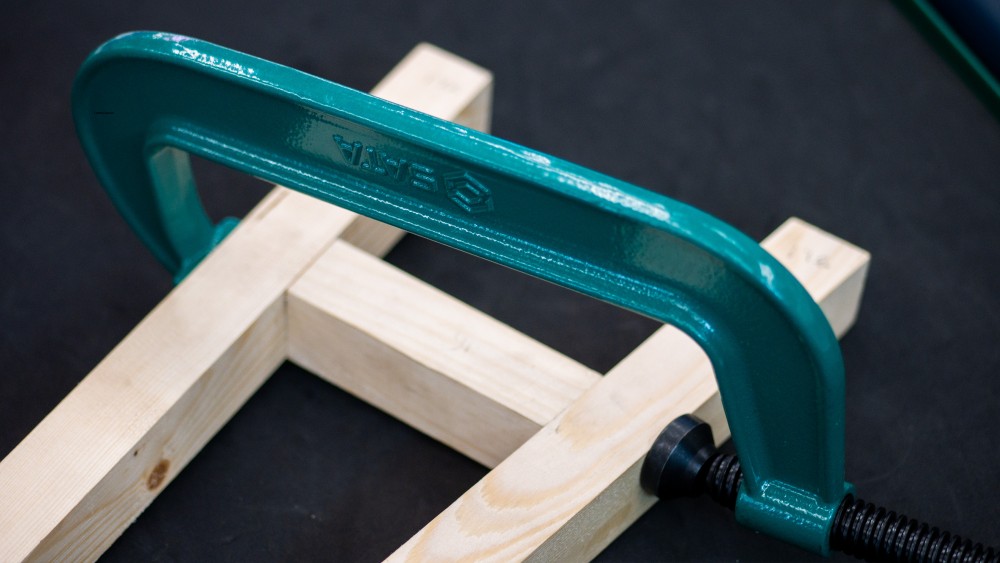
- Position the C-Clamp where it can distribute pressure evenly—for example, near the center of the workpiece to increase stability.
- Make sure the workpiece is properly positioned and does not shift before you start tightening the screw.
- Use protective pads if the workpiece has a soft or delicate surface, such as wood or plastic, to prevent damage caused by the C-Clamp's clamping pressure.
- When clamping workpieces in hard-to-reach areas, choose a deep-throat C-Clamp for convenience and efficiency.
3. Clamp the Workpiece
3.1 Turn the Screw
- When using a C-Clamp, always turn the screw clockwise to clamp the workpiece tightly and securely in place.
- Remember to monitor the pressure while tightening. Once it feels secure, that is enough; stop immediately to avoid over-tightening and damaging your workpiece or the C-Clamp.
- For workpieces requiring targeted pressure, adjust the force carefully and gradually increase it as appropriate.
3.2 Check Stability
- After tightening the screw and ensuring the workpiece is properly held, gently wiggle the workpiece to confirm that the C-Clamp holds it firmly without any movement.
- If the workpiece still shifts, adjust and apply additional clamping force, taking care not to over-tighten and damage the workpiece.
- Check the C-Clamp once more to ensure no part of the tool is loose before starting work.
4. During Operation
4.1 Control the Clamping Pressure
- Ensure that the clamping pressure of the C-clamp is suitable for the nature and size of the workpiece, trying to avoid excessive pressure which may damage the surface or structure of the workpiece.
- If you need to adjust additional pressure, do so slowly and gradually to maintain the quality of the workpiece and the stability of the clamping.
- Use a pressure measuring tool in cases where high precision is required to avoid exceeding the capacity limit of the C-clamp.
4.2 Use Protective Pads
- For workpieces with delicate or sensitive surfaces, such as softwood or plastic, use pads made of rubber or shock-absorbing material to prevent scratches or excessive localized pressure on the workpiece.
- Choose pads suitable for the type of workpiece, such as rubber pads for soft materials or fabric pads for delicate surfaces.
- Check that the pads are in the correct position before starting work to ensure that all parts of the workpiece are fully protected.
5. Release the C-Clamp After Use
5.1 Loosen the Screw
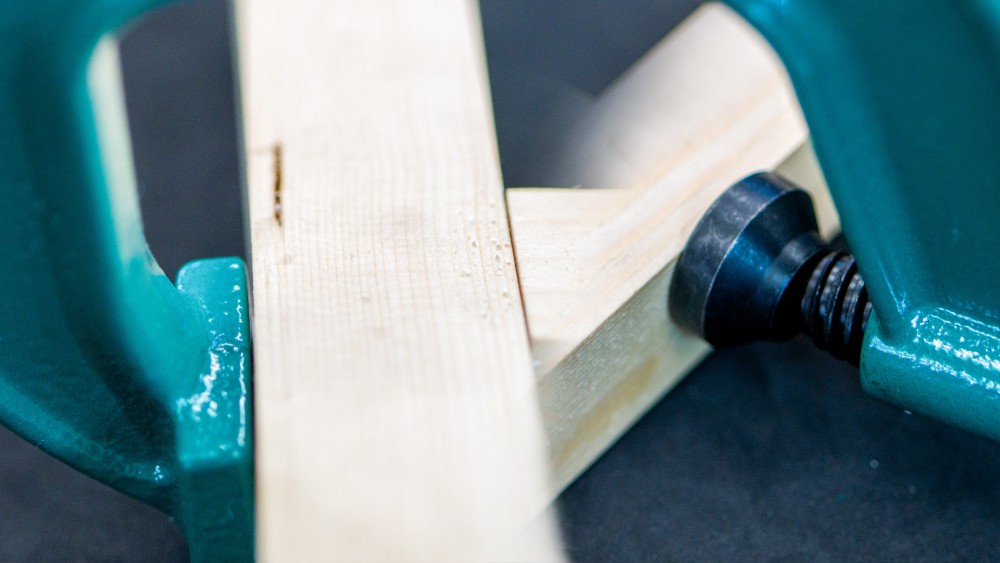
- Carefully turn the C-clamp screw counterclockwise to gradually release the pressure from the workpiece.
- Make sure the screw turns smoothly. If there is dirt or binding, clean or lubricate it before turning further.
- Once sufficiently loosened, carefully remove the C-clamp from the workpiece to avoid damage to the workpiece or tool.
5.2 Store the C-Clamp
- Clean the C-clamp after use with a clean cloth or brush to remove dust, oil stains, or debris that may adhere to it.
- If rust or scratches are found, address them immediately to prevent deterioration of the tool.
- Store the C-clamp in a dry, moisture-free place, such as in a tightly closed toolbox or in a temperature-controlled area, to extend its service life.
- Periodically inspect the C-clamp to ensure it remains in good working condition and ready for the next use.
Conclusion
Applications & Usage C Clamp Using a C-clamp correctly and safely is essential for maximizing work efficiency, whether clamping workpieces for drilling, welding, or cutting. Following the steps recommended in this article will help you use C-clamps effectively while extending the tool's lifespan.